
What Causes Low pH in Wastewater? A Complete Guide for Plant Operators
pH is one of the first numbers checked in any wastewater treatment plant, and for good reason. A pH reading below 6.0 tells operators that the influent has turned acidic-a condition that corrodes pipes, kills biological sludge, and can push a plant out of regulatory compliance overnight. But what causes low pH in wastewater, and what can be done about it?
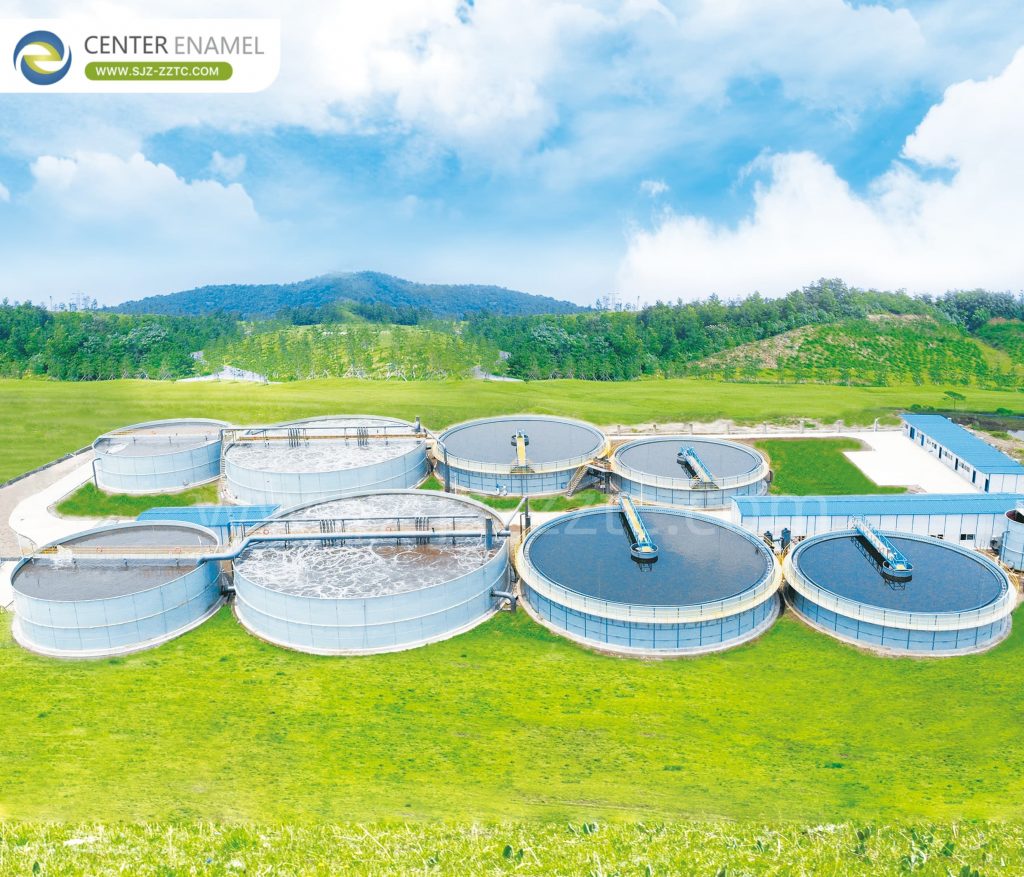
This guide explains the science behind acidic influent, the industries most often responsible, the damage low pH causes to a treatment train, and the neutralization strategies that restore balance.
What Does "Low pH in Wastewater" Actually Mean?
The pH scale runs from 0 to 14. A value of 7.0 is neutral; below 7 is acidic, above 7 is alkaline. Each whole-number step represents a tenfold change in hydrogen-ion concentration: pH 5 is ten times more acidic than pH 6, and pH 4 is one hundred times more acidic than pH 6.
Municipal sewage normally sits between 6.5 and 8.5. Most discharge limits and biological treatment processes require a working band of pH 6.5-8.5. Once influent drops below 6.0, the problem is real; below 5.5 it is an emergency.
Common Industrial Sources of Acidic Wastewater
Low pH rarely occurs naturally in municipal systems. It is almost always traceable to an industrial discharge. The principal culprits are:
- Metal finishing and electroplating-sulfuric, hydrochloric, and nitric acid pickling baths.
- Mining and acid mine drainage (AMD)-sulfide ores react with air and water to produce sulfuric acid, often carrying pH 2-4.
- Textile and dyeing-acidic dye baths, acid washing, and Mercerization runoff.
- Food and beverage-fruit processing, dairy whey, brewing sour streams, and pickling brines; organic acids lower pH.
- Pulp and paper-bleach plant effluent (though modern mills are less acidic).
- Chemical and pharmaceutical-acid synthesis washes and reactor vents.
- Landfill leachate-early-stage leachate is often acidic due to volatile fatty acid (VFA) accumulation.
| Industry | Typical Influent pH | Dominant Acid |
| Electroplating / metal finishing | 1.5-4.0 | H₂SO₄, HCl, HNO₃ |
| Acid mine drainage (AMD) | 2.0-4.5 | H₂SO₄ (from pyrite) |
| Textile dyeing | 4.0-6.0 | Acetic, sulfuric |
| Fruit / dairy / whey | 3.5-5.5 | Lactic, citric |
| Brewing & distilling (sour streams) | 4.5-6.0 | Carbonic, acetic |
| Pharmaceutical / chemical | 2.0-6.0 | Mixed mineral acids |
| Municipal sewage (baseline) | 6.5-8.5 | — |
Why Is Low pH a Problem?
Acidic influent creates damage on three fronts:
Equipment corrosion. Steel pipes, concrete channels, and clarifier scrapers degrade rapidly at pH below 5. Acid attacks the protective oxide layer on steel and dissolves the calcium hydroxide matrix of concrete.
Effluent non-compliance. Virtually every national discharge standard sets a pH window of 6-9. A single acidic slug can trigger a permit violation and fines.
Receiving-water ecology. Fish and aquatic insects survive in a narrow pH band (6.5-9.0). Chronic acidic discharge decimates fisheries and acidifies lakes.
How Low pH Affects Biological Treatment Processes
This is the hidden cost. The aerobic and anaerobic microbes that remove BOD, nitrogen, and phosphorus are enzymes, and enzymes are pH-sensitive.
- In activated sludge and A2O systems, nitrifying bacteria (Nitrosomonas and Nitrobacter) lose activity sharply below pH 7.0; at pH 6.0 ammonia removal collapses.
- In anaerobic digesters (UASB, CSTR, IC, USR), methanogenic archaea prefer pH 6.8-7.4. A drop below 6.5 accumulates volatile fatty acids, lowers pH further, and drives the digester into sour failure-a condition that can take weeks to recover.
- Low pH also releases heavy metals (lead, cadmium, nickel) from sludge into solution, complicating downstream polishing.
Neutralization: The Core Treatment Methods
The standard fix is chemical neutralization-dosing an alkaline reagent into a dedicated equalization / neutralization tank. Common reagents are compared below.
| Reagent | Formula | Cost | Reaction Speed | Sludge Production | Best Application |
| Caustic soda (50%) | NaOH | High | Instant | None | Small plants, precise control |
| Soda ash | Na₂CO₃ | Medium | Moderate | Low | Light acid streams |
| Lime (quicklime) | CaO | Low | Moderate (slaking) | High | Mining, large flow, metal removal |
| Hydrated lime | Ca(OH)₂ | Low | Fast | High | AMD, acid drainage |
| Magnesium hydroxide | Mg(OH)₂ | Medium | Slow (buffering) | Low | Sewer sludge prevention |
| Limestone bed | CaCO₃ | Very low | Passive | Moderate | AMD, small remote mines |
The choice depends on flow rate, acid concentration, budget, and whether heavy metals must be co-precipitated (lime is preferred for metal-bearing waste).
Designing a Neutralization Tank
A robust neutralization system needs four elements: (1) an equalization tank to dampen shock loads, (2) pH sensors with automatic dosing pumps, (3) mixing (aeration or mechanical agitator), and (4) retention time of 15-60 minutes depending on reactivity.
This is where tank material matters. Center Enamel glass-fused-to-steel (GFS) tanks are widely used as neutralization and equalization tanks because the porcelain-enamel lining is immune to both acidic and caustic pH swings (pH 3-11 service range), will not chip like epoxy coatings, and installs in weeks rather than months. GFS tanks also avoid the concrete corrosion problem that plagues pH-adjustment basins handling acidic industrial wastewater.
Monitoring and Process Control
Modern plants use a pH controller with two dosing stages: a coarse acid/alkali stream (lime slurry) and a fine trim stream (NaOH). Online sensors should be backed up by daily lab sampling, because electrode fouling is the most common cause of "phantom" low-pH alarms. Alarms should trigger at pH 6.0 and 9.0, with an interlock to divert extreme flows to a holding tank before they reach biological reactors.
When to Call an Expert
If your plant sees recurring pH swings below 6.0, a one-off dosing fix will not solve the root cause. You need a source survey-sampling each discharge, identifying the industrial contributor, and redesigning the pre-treatment. Center Enamel's engineering team regularly partners with industrial clients to size neutralization tanks, select reagents, and integrate GFS equalization tanks into new or upgraded WWTPs.
Frequently Asked Questions
Q1: Can low pH in wastewater be caused naturally, without industry?
A: Rarely in sewers. Naturally acidic water occurs in peatlands, coniferous forest runoff, and some mine-impacted catchments, but municipal systems below pH 6.5 are almost always due to industrial discharge, landfill leachate, or (in cold climates) nitrification imbalance within the pipe network.
Q2: What is the fastest way to raise pH in wastewater?
A: Caustic soda (NaOH) reacts instantly and is dosed via metering pump into a mixed tank. For large volumes or acid mine drainage, slaked lime (Ca(OH)₂) is cheaper but produces more sludge and requires longer retention and good mixing.
Q3: How does low pH affect an anaerobic digester?
A: Methanogens are the most pH-sensitive microbes in a WWTP. Below pH 6.5, VFAs accumulate, gas production drops, and the digester enters a spiral of acidification. Recovery requires reducing organic load, dosing alkalinity (bicarbonate or lime), and can take 2-6 weeks.