
What Classifies as Wastewater? Comprehensive Guide to Contamination Sources and Treatment Technologies
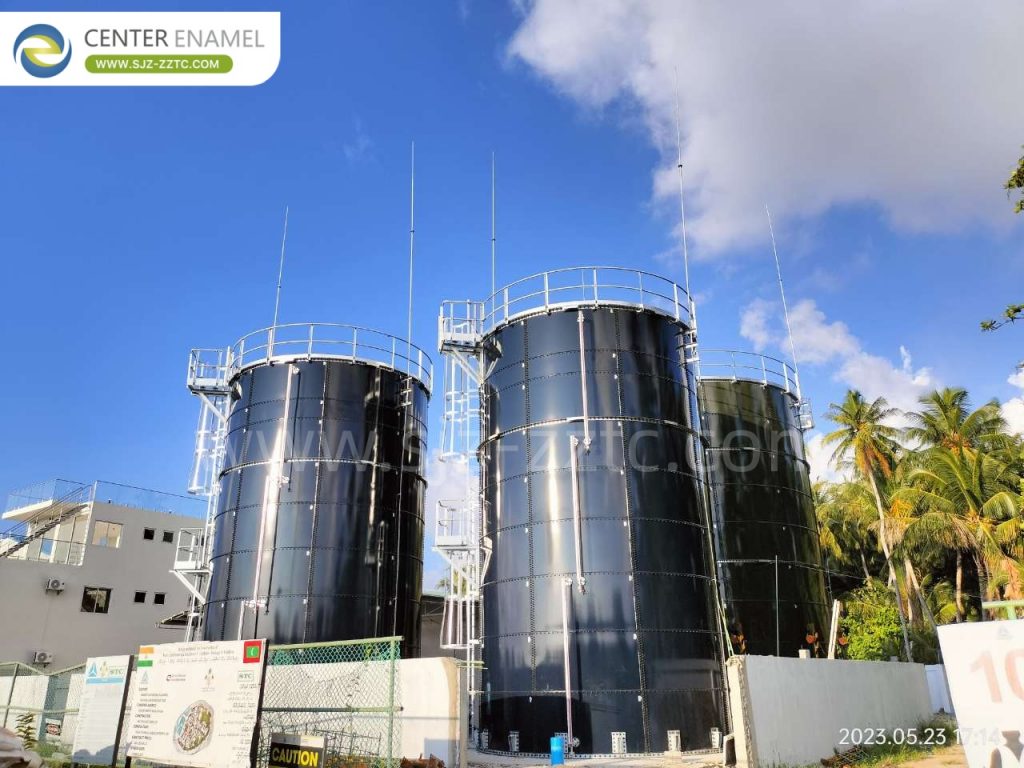
Wastewater is any water that has been adversely affected in quality by anthropogenic influences, encompassing liquid waste discharged from domestic residences, commercial properties, industrial operations, and agricultural activities. Properly identifying what classifies as wastewater is foundational for environmental compliance and public health protection. As industrialization expands, finding efficient, sustainable, and reliable methods to manage and treat these diverse effluent streams becomes a primary environmental priority for municipalities and industries worldwide.
Defining Wastewater and Its Primary Sources
Wastewater broadly categorizes into distinct streams based on its origin and physical-chemical composition. Domestic sewage originates from household activities such as bathing, washing, and toilet flushing, containing high levels of organic matter, pathogens, and nutrients. Industrial wastewater comes from manufacturing plants, chemical processing facilities, and food production units, frequently carrying heavy metals, toxic compounds, and complex organic chemicals. Agricultural runoff adds fertilizers, pesticides, and animal wastes to the mix. Recognizing these foundational sources ensures that engineers can design targeted management plans to mitigate potential environmental degradation before water returns to natural hydrological cycles.
The Crucial Importance of Modern Wastewater Treatment
Untreated wastewater poses severe threats to global ecosystems, aquatic life, and human health by spreading waterborne diseases, causing toxic contamination, and triggering massive eutrophication in natural water bodies. Implementing advanced wastewater treatment is essential to remove harmful pollutants, neutralize pathogens, and recover valuable resources like clean water and nutrients. Effective treatment plants safeguard public health, ensure regulatory compliance, and support sustainable water resource management. Without robust processing infrastructure, industrial expansion and urban growth would quickly overwhelm natural environmental self-purification capacities, leading to irreversible ecological damage.
Anaerobic Treatment Processes: UASB, USR, and IC Technologies
For high-concentration organic wastewater, anaerobic biological treatment technologies offer incredible efficiency without demanding massive electrical inputs for aeration. The Upflow Anaerobic Sludge Blanket (UASB) reactor relies on a dense microbial sludge bed that degrades organic pollutants and generates valuable biogas. The Upflow Sludge Blanket (USR) reactor provides a reliable, stirred-tank framework for treating complex agricultural and industrial effluents. Meanwhile, the Internal Circulation (IC) reactor takes anaerobic efficiency a step further by utilizing a high-rate vertical expansion design, making it exceptionally effective for handling high-strength industrial wastewaters with a remarkably small footprint.
Aerobic Treatment Processes: A2O and MBR Innovations
When tackling municipal and complex industrial effluents requiring stringent nutrient removal, advanced aerobic processes like A2O and MBR are indispensable. The Anaerobic-Anoxic-Oxic (A2O) process utilizes multiple biological zones to achieve simultaneous biological nitrogen and phosphorus removal through targeted microbial pathways. Alternatively, Membrane Bioreactor (MBR) technology combines conventional biological activated sludge treatment with microfiltration or ultrafiltration membranes. MBR systems completely eliminate traditional secondary clarifiers, producing exceptionally high-quality permeate that is virtually free of suspended solids and bacteria, ready for direct reuse or advanced polishing.
The Engineering Superiority of GFS Tanks in Wastewater Plants
Constructing reliable wastewater treatment infrastructure requires durable containment solutions capable of withstanding corrosive environments. Glass-Fused-to-Steel (GFS) tanks have become the premier choice for modern wastewater facilities. By fusing molten glass to high-strength steel at temperatures between 820°C and 930°C, GFS tanks combine the structural strength of steel with the chemical inertness of glass. They deliver exceptional resistance to harsh acids, alkalis, and hydrogen sulfide gases, ensuring a service life exceeding thirty years with minimal maintenance requirements and rapid, cost-effective on-site bolted assembly.
Center Enamel: Decades of Proven Expertise in Wastewater Projects
Navigating complex municipal and industrial wastewater challenges demands a trusted partner with profound industry experience. Center Enamel stands as a global leader, bringing decades of specialized expertise in the design, manufacturing, and global implementation of wastewater treatment infrastructure. Specializing in high-performance GFS tanks, specialized bolted containment solutions, and comprehensive EPC support, Center Enamel has successfully delivered thousands of high-quality projects across more than 100 countries. Their rigorous adherence to international standards like AWWA D103-09 and ISO 28765 guarantees unmatched reliability and operational excellence for every client.
Frequently Asked Questions (FAQ)
Q1: What types of water are classified as wastewater?
A: Wastewater includes domestic sewage from residential properties, industrial effluent from manufacturing and processing plants, agricultural runoff containing fertilizers and chemicals, and urban stormwater drainage.
Q2: What are the primary benefits of using GFS tanks in wastewater treatment?
A: GFS tanks offer superior corrosion resistance, high structural durability, chemical compatibility with aggressive waste streams, rapid modular installation, and extremely low long-term maintenance costs.
Q3: How does Center Enamel support global wastewater treatment projects?
A: Center Enamel provides custom-engineered Glass-Fused-to-Steel tanks, expert technical guidance, complete tank ancillaries, and comprehensive project support backed by decades of global manufacturing and engineering experience.