
What COD Removal Is Achievable?
Anaerobic treatment alone typically achieves 80–90% COD removal, and when paired with an aerobic polishing stage (A²/O, SBR, or activated sludge) municipal and industrial plants reach 90–98%. Real documented results include municipal wastewater cut from 1,000 to 100 mg/L COD (90%) and pig-farm wastewater from ≥ 10,000 to ≤ 200 mg/L (98%) — the achievable band depends on process, influent character, and discharge limit.
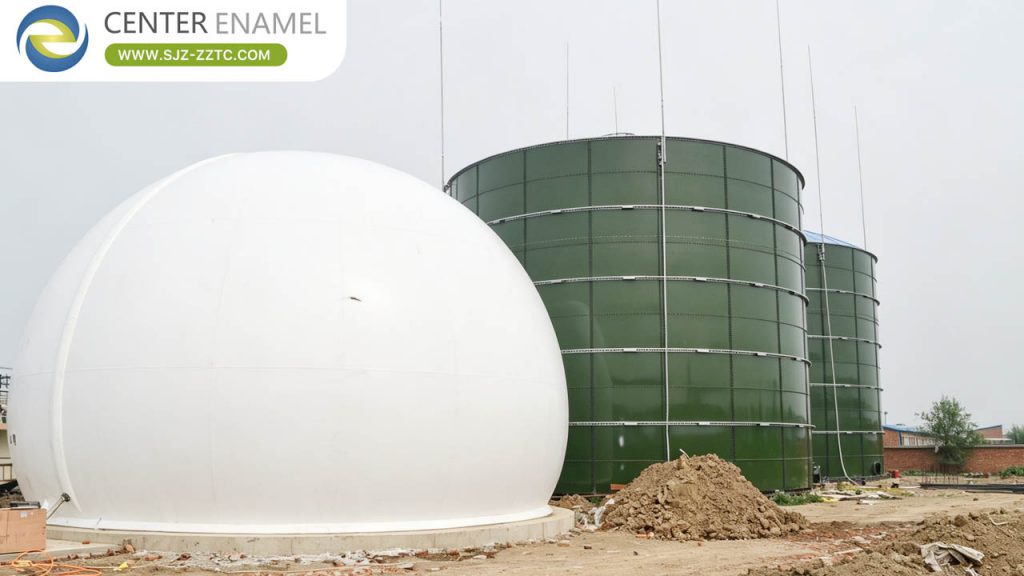
Anaerobic COD Removal
UASB, UBF, and CSTR convert soluble COD to biogas at 80–90% removal and OLR 5–15 kg COD/m³·day. They are the high-rate, energy-positive first stage but leave ammonia and some residual COD.
Anaerobic + Aerobic Polishing
Adding A²/O or SBR after anaerobic treatment captures the remaining COD and nitrogen, lifting overall removal to 90–98%. This combined train is how stringent discharge limits are met on high-strength wastewater.
| Train | COD removal | Example result |
| Anaerobic only | 80–90% | high-strength industrial |
| Anaerobic + AOAO | 90–98% | 1,000 → 100 mg/L |
| Anaerobic + AOAO (pig) | 90–98% | ≥ 10,000 → ≤ 200 mg/L |
What Limits COD Removal
Removal is capped by refractory (non-biodegradable) COD, colloidal solids bypassing the reactor, and shock loads. Pre-treatment (screening, equalization) and healthy biomass protect the rate; granular-sludge systems tolerate higher OLR without washout.
Technical Considerations
Tank manufacturing quality directly affects achievable removal: leaks, poor seals, and corroded surfaces undermine reactor hydraulics and biomass retention. Bolted Glass-Fused-to-Steel tanks (glass fused at 820–930°C) give a smooth, inert, leak-tight barrier that keeps anaerobic and aerobic stages performing to design — the manufacturing backbone of high COD removal.
How to Scope for a COD Target
Fix the discharge COD limit, measure influent COD and biodegradability, choose anaerobic-first then polish to target, and size tankage by OLR/HRT. A COD-and-limit sheet lets suppliers confirm the achievable removal and quote the train.
Project Case Study
Malaysia Biogas Project. A large-scale plant with 5 GFS tanks processing palm-oil-mill-effluent-type high-strength wastewater, achieving COD reduction from ≥ 60,000 to ≥ 12,000 mg/L (about 80% in the anaerobic stage) and 22,000 m³ biogas/day at ~80% digestibility. A documented high-COD anaerobic removal project.
| Project | Malaysia Biogas Project |
| Location | Malaysia |
| Industry | Palm Oil / Biogas |
| Application | High-strength wastewater AD |
| Product | 5 Glass-Fused-to-Steel tanks |
| Capacity | 27,000 m³ total (5 Ø24.46 × 12 m) |
| COD result | ≥ 60,000 → ≥ 12,000 mg/L |
| Output | 22,000 m³ biogas/day |
| Status | Delivered 2026 |
About Center Enamel
Center Enamel underpins achievable COD removal with manufacturing capability: bolted Glass-Fused-to-Steel tanks produced under ISO 9001, with enamel continuity testing, leak-tight assembly, and ISO 28765 / AWWA D103 design, plus CE/EN 1090 structural marking. The smooth, inert glass lining (fused at 820–930°C) protects reactor hydraulics so anaerobic and aerobic stages hit their 80–98% COD targets — proven on the Malaysia and Ghana tank packages.
Advantages and Limitations
High COD removal (80–98%) is routine with the right train, recovering biogas and meeting strict limits. Limits: refractory COD remains, shocks need buffering, and tank quality cannot be compromised. Verified manufacturing keeps the removal dependable.
Comparison: Removal by Train
| Goal | Train | Achievable |
| Energy + bulk COD | Anaerobic | 80–90% |
| Strict discharge | Anaerobic + AOAO/SBR | 90–98% |
| Very high strength | Anaerobic (staged) | 80%+ per stage |
Achievable COD removal is 80–90% by anaerobic alone and 90–98% with aerobic polishing — documented from 1,000→100 mg/L to ≥10,000→≤200 mg/L. Scope by limit and biodegradability, and specify leak-tight GFS tankage manufactured to ISO 28765 / AWWA D103 to protect the rate.
Frequently Asked Questions (FAQ)
Q1: What COD removal is achievable?
A: 80–90% by anaerobic alone; 90–98% with aerobic polishing (A²/O/SBR).
Q2: How much can anaerobic remove?
A: Typically 80–90% COD at OLR 5–15 kg COD/m³·day, leaving ammonia and residual COD.
Q3: What limits removal?
A: Refractory COD, colloidal solids bypass, and shock loads; pre-treatment and healthy biomass protect the rate.
Q4: What tank material suits it?
A: Glass-Fused-to-Steel, glass fused at 820–930°C, leak-tight and H₂S-resistant.
Q5: What standards apply?
A: GFS tanks to ISO 28765 and AWWA D103, ISO 9001 quality, CE/EN 1090 marking.
Q6: What project experience exists?
A: Delivered high-COD AD tankage in Malaysia (60,000→12,000 mg/L) and municipal UBF+A²/O in Ghana (1,000→100 mg/L).
Send your influent COD and discharge limit. We will set the anaerobic-plus-aerobic train, confirm achievable removal, and quote leak-tight GFS tankage manufactured to ISO 28765 and AWWA D103.