
What Does Brewery Waste Contain? A Complete Breakdown of Composition, Sources, and Management
Brewing transforms water, malt, hops, and yeast into beer-but it also generates substantial quantities of residual materials at every stage of production. A typical brewery produces between 3 and 8 gallons of wastewater for every gallon of beer, along with hundreds of pounds of solid by-products daily. Understanding what brewery waste actually contains is the first step toward managing it effectively, whether the goal is regulatory compliance, cost reduction, or resource recovery.
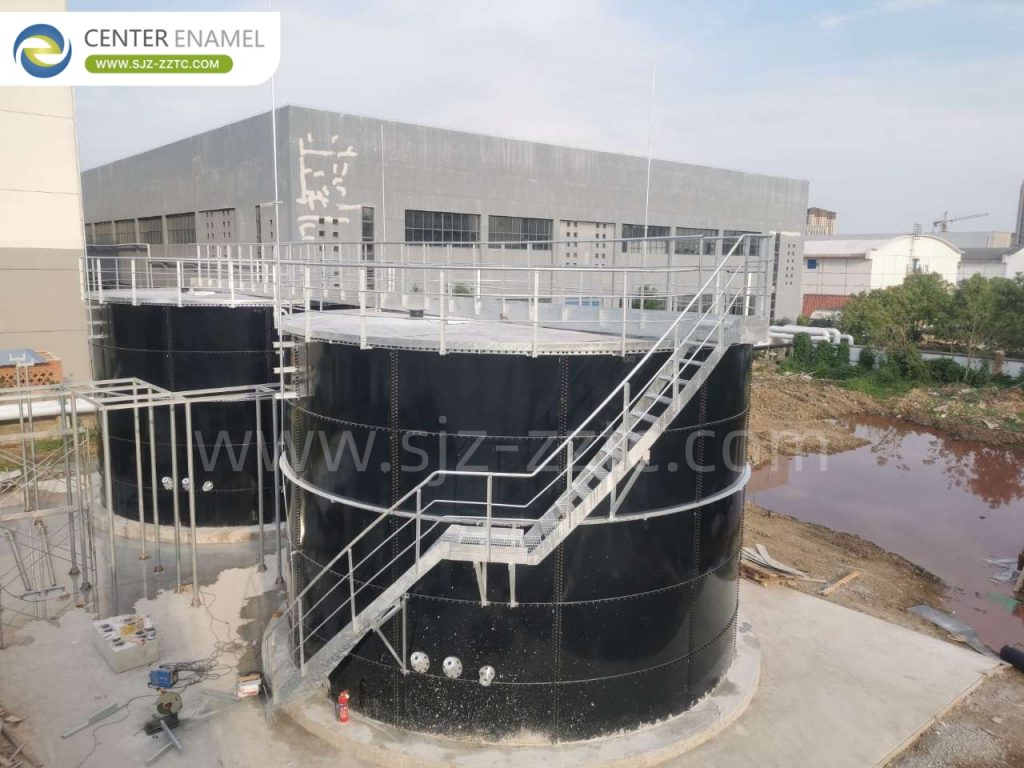
Brewery waste is far from uniform. It encompasses solid residues from mashing and fermentation, liquid effluents from cleaning and packaging, and chemical discharges from sanitation operations. Each stream has a distinct composition that determines how it should be handled, treated, or repurposed. This guide breaks down the major components of brewery waste, their chemical makeup, and the management strategies that turn disposal liabilities into valuable resources.
The Major Solid By-Products of Brewing
Solid wastes represent the most visible and volumetrically significant category of brewery residuals. Brewers‘ spent grain, surplus yeast, and trub account for the majority of solid material generated during beer production, and each offers unique opportunities for beneficial reuse.
Brewers’ Spent Grain (BSG)
Brewers‘ spent grain is the single largest by-product of the brewing industry, representing approximately 85% of all brewing residuals and roughly 30% of the original malted barley weight. It is the outer husk material that remains after the mashing process extracts sugars from malted grain.
Chemically, BSG is a lignocellulosic material rich in fiber and protein. Its composition varies based on barley variety, malting conditions, and brewing practices, but generally includes protein, cellulose, hemicellulose, and lignin as the dominant fractions. The table below summarizes the typical composition of brewers’ spent grain on a dry basis.
| Component | Content Range (% dry weight) |
| Protein | 20–31% |
| Hemicellulose | 19–40% |
| Cellulose | 9–20% |
| Lignin | 12–28% |
| Starch | 0.6–13% |
| Lipids | 9–16% |
| Ash | 3–4% |
The high moisture content of fresh BSG-typically 75–80%-makes it susceptible to microbial spoilage, which is why most breweries move it quickly to animal feed operations or dewatering systems. BSG from lager brewing tends to have higher protein content than BSG from ale brewing, reflecting differences in the source malts.
Surplus Yeast
Yeast is another major solid by-product, generated at approximately 1.3 kilograms of dry excess yeast per cubic meter of beer produced. After fermentation, yeast settles at the bottom of fermentation and maturation tanks, where it is collected as surplus.
Residual brewer‘s yeast is exceptionally rich in protein and nitrogenous compounds. On a dry basis, it contains roughly 45–47% protein, 43% carbohydrates, 8% ash, and 2% fat. This composition makes it a valuable feed supplement and a rich source of nutrients for anaerobic digestion. The high nitrogen content, however, also means yeast contributes significantly to the nitrogen load in brewery wastewater if discharged without recovery.
Trub and Spent Hops
Trub-the insoluble protein and polyphenol precipitate that forms during wort boiling and cooling-is generated at a rate of approximately 1.16 kilograms of dry trub per cubic meter of beer. It contains high levels of protein and nitrogen, with a carbon-to-nitrogen ratio of about 6.3, making it a nutrient-dense but challenging waste stream.
Spent hops are separated after wort boiling and contain residual hop resins, polyphenols, and plant fiber. While smaller in volume than spent grain, spent hops can contribute bitter compounds and antimicrobial substances that inhibit biological treatment processes if discharged in large quantities.
Brewery Wastewater: Composition and Characteristics
Liquid waste constitutes the largest volume of brewery residuals by far, and its composition determines both treatment requirements and discharge costs. Brewery wastewater is characterized by high organic strength, variable pH, and significant nutrient content.
Organic Load: BOD and COD
The organic load in brewery wastewater is the primary treatment challenge. Biochemical oxygen demand (BOD) concentrations typically range from 1,000 to 1,500 mg/L in combined effluent, while chemical oxygen demand (COD) ranges from 1,800 to 3,000 mg/L. However, individual process streams can be far more concentrated. Mash tun runoff can reach BOD levels of 85,000 ppm, and fermenter discharges have been recorded at up to 100,000 ppm BOD. Filtration side-streams can exceed 135,000 ppm BOD.
This extreme variability means that side-streaming-diverting high-strength wastes from the main drain-is one of the most effective management strategies available to brewers. A case study of a craft brewery found that implementing best management practices reduced BOD concentrations from cellaring operations by 77%, equivalent to eliminating 242 pounds of BOD per week.
Nutrients: Nitrogen and Phosphorus
Brewery wastewater contains significant concentrations of nitrogen and phosphorus, originating primarily from yeast, trub, spent grain losses, and cleaning agents. Nitrogen levels typically range from 30 to 100 mg/L, while phosphorus concentrations fall between 10 and 30 mg/L. These nutrients can contribute to eutrophication if discharged untreated, but they also make brewery effluent a valuable external carbon and nutrient source for municipal wastewater treatment plants.
pH, Temperature, and Solids
Brewery wastewater pH varies dramatically depending on cleaning operations. While combined effluent averages around pH 7, individual discharges can range from pH 3 to pH 12 due to acid and caustic cleaning agents. Temperature typically averages around 30°C, which is favorable for anaerobic treatment but can stress aerobic systems.
Total suspended solids (TSS) in untreated brewery effluent generally range from 10 to 60 mg/L, though specific streams can be much higher. Bottle washing, in particular, contributes suspended solids from label pulp and chemical residues.
The table below summarizes representative characteristics of combined brewery wastewater.
| Parameter | Typical Range | Notes |
| BOD₅ | 1,000–1,500 mg/L | Combined effluent; side-streams much higher |
| COD | 1,800–3,000 mg/L | Ratio BOD/COD ~0.6–0.7 |
| TSS | 10–60 mg/L | Higher in specific streams |
| Total Nitrogen | 30–100 mg/L | Primarily from yeast and trub |
| Total Phosphorus | 10–30 mg/L | From cleaning agents and organics |
| pH | 3–12 | Averages ~7 in combined flow |
| Temperature | ~30°C | Favorable for anaerobic digestion |
Chemical and Sanitation Wastes
Beyond organic residues, breweries generate chemical waste streams that require careful management. Clean-in-place (CIP) operations produce caustic and acidic solutions used to sanitize tanks, pipes, and packaging lines. These chemicals cause the wide pH swings observed in brewery effluent and can contain detergents, sequestrants, and disinfectants.
Spent diatomaceous earth (kieselguhr), used for beer filtration, represents another solid waste stream. It is primarily silica with trapped organic matter and requires separate disposal, often through landfill or land application.
Packaging operations contribute additional waste streams, including broken glass, cardboard, plastic wrap, and label pulp from bottle washing. While these materials are largely inert, they must be segregated from organic wastes to avoid contaminating recycling or reuse pathways.
Why Brewery Waste Management Matters
Proper management of brewery waste is critical for several interconnected reasons: regulatory compliance, environmental protection, operational cost control, and sustainability performance.
Regulatory Compliance and Surcharge Avoidance
Municipal wastewater authorities impose strict limits on the concentration and mass loading of pollutants that industrial dischargers may send to sewer systems. Brewery waste, with its high BOD and TSS concentrations, frequently exceeds domestic-strength thresholds of 200–300 mg/L. Discharges above these limits trigger surcharge fees that can significantly impact brewery operating costs.
For breweries that treat on-site and discharge to surface waters, effluent permits establish specific limits for BOD, TSS, pH, and sometimes nutrients. Failure to meet these limits can result in fines, enforcement actions, and reputational damage.
Environmental Impact
Untreated or inadequately treated brewery waste can cause severe environmental harm. The high organic content of brewery wastewater depletes dissolved oxygen in receiving waters as microorganisms consume oxygen while decomposing the organic matter. This oxygen depletion can lead to fish kills and ecosystem degradation.
Nutrient pollution from nitrogen and phosphorus contributes to eutrophication, promoting algal blooms that further degrade water quality. The wide pH swings in untreated effluent can also harm aquatic life and disrupt the biological processes in treatment systems.
Resource Recovery Opportunities
The most compelling argument for proactive brewery waste management is that these materials are resources, not merely liabilities. Spent grain has high value as animal feed, with protein and fiber content comparable to commercial feed supplements. Surplus yeast can be dried and sold as a protein-rich feed additive. Anaerobic digestion of organic wastes produces biogas that can offset brewery energy consumption.
A pilot study of an anaerobic membrane bioreactor at New Belgium Brewing demonstrated 98–99% COD and BOD removal while recovering methane biogas at 98% efficiency. This level of performance transforms wastewater treatment from a cost center into an energy recovery opportunity.
Common Treatment and Management Methods
Breweries employ a range of strategies to manage their waste streams, from simple side-streaming to advanced biological treatment.
Side-Streaming and Source Separation
The most cost-effective waste management strategy is preventing high-strength wastes from entering the main drain in the first place. Side-streaming involves collecting concentrated wastes-spent grain press liquor, yeast slurries, trub, tank heels, and bad batches-separately for dedicated treatment or disposal. A craft brewery case study documented that focused BMPs reduced cellaring wastewater BOD by 77%.
Anaerobic Digestion
Anaerobic digestion is particularly well-suited to brewery waste because of its high organic content and warm temperature. In the absence of oxygen, microorganisms convert organic matter into biogas-primarily methane and carbon dioxide-and a nutrient-rich digestate. Brewery waste streams including spent grain, yeast, wastewater, and even unsaleable beer can be co-digested in anaerobic systems. The biogas can be captured for heat and power generation, offsetting fossil fuel consumption.
Aerobic Treatment
Following anaerobic treatment or as a standalone process, aerobic systems polish effluent to meet discharge standards. Activated sludge, moving bed biofilm reactors (MBBR), and membrane bioreactors (MBR) are all used in brewery applications. MBR systems offer superior effluent quality suitable for water reuse, though they are more energy-intensive than conventional alternatives.
Solid Waste Diversion
Spent grain is almost universally diverted to animal feed, either wet or after dewatering. Screw presses, belt presses, and decanter centrifuges are used to reduce moisture content from 75–80% to 18–28%, lowering transportation costs and improving feed quality. Surplus yeast and trub are also recovered for feed applications where practical, though smaller breweries often discharge these streams to sewer due to limited recovery infrastructure.
Frequently Asked Questions
What are the main components of brewery waste?
Brewery waste consists primarily of solid by-products-brewers‘ spent grain (about 85% of total by-products), surplus yeast, and trub-along with high-strength wastewater containing dissolved sugars, proteins, and cleaning chemicals. The wastewater is characterized by elevated BOD (typically 1,000–1,500 mg/L) and COD (1,800–3,000 mg/L), with significant nitrogen and phosphorus content.
Can brewery waste be reused or recycled?
Yes, most brewery waste streams have established reuse pathways. Spent grain is widely used as cattle feed due to its protein and fiber content. Surplus yeast serves as a protein-rich feed supplement. Wastewater can undergo anaerobic digestion to produce biogas for energy generation, and advanced treatment can produce water suitable for non-potable reuse. Some breweries even explore converting spent grain into bio-based materials or extracting valuable compounds for food and industrial applications.
Why is brewery wastewater considered high-strength?
Brewery wastewater is “high-strength” because its organic pollutant concentrations far exceed those of domestic sewage. While household wastewater typically contains 200–300 mg/L BOD, brewery effluent regularly measures 1,000–1,500 mg/L, with individual process streams reaching 85,000 ppm or higher. This organic load comes from sugars, proteins, yeast, and beer losses, and it requires significantly more treatment capacity and energy to process than residential wastewater.