
What Does Sludge Digestion Produce?
Sludge digestion produces biogas (about 55–65% methane), stabilized digestate (nutrient-rich biosolids carrying N-P-K), process water (centrate or permeate, high in ammonia), and recoverable heat—turning a waste stream into energy, fertilizer, and water to recycle.
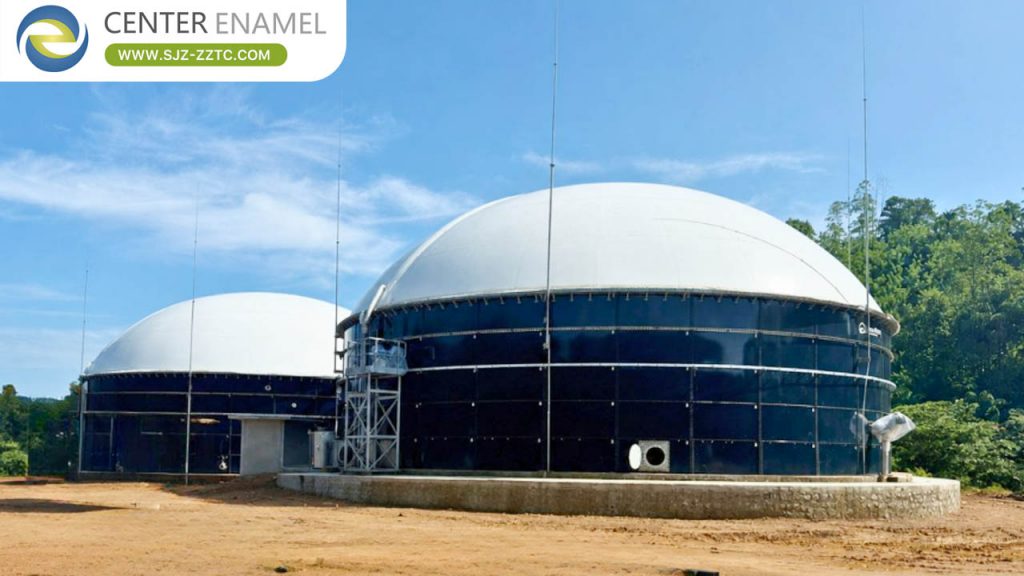
Biogas
The headline product is biogas, roughly 55–65% methane (sewage biogas tends to the higher 60–65% end) with the rest mostly CO₂ plus traces of H₂S, water, and siloxanes. It fuels CHP, boilers, or—after upgrading—biomethane for grid or vehicles (see biogas-to-power and upgrading articles).
Digestate (Stabilized Biosolids)
What leaves the digester as solids is digestate—stabilized, less odorous biosolids that retain most of the original nitrogen, phosphorus, and potassium. It is a fertilizer resource for land application, though metals and contaminants in the feed dictate where it can be spread.
Process Water (Centrate / Permeate)
Dewatering the digestate releases process water rich in ammonia and dissolved organics. It is usually recycled back to the wastewater treatment front end (return liquor) so its nitrogen is treated rather than discharged—a key internal loop that, if ignored, can recycle ammonia load and stress the plant.
Heat
Anaerobic digestion is exothermic and needs heating to 35–38°C, but the biogas combustion in CHP returns more heat than the digester draws, netting recoverable thermal energy for buildings or sludge drying. Even the methanation step (if present) releases usable reaction heat.
Comparative Data Table: Digestion Outputs
| Output | Form | Typical use |
| Biogas | gas, ~55–65% CH₄ | CHP, boiler, upgrading |
| Digestate | biosolids, N-P-K | land application |
| Process water | centrate/permeate | recycle to treatment |
| Heat | thermal | digester / drying |
Technical Considerations
Each output needs handling: gas must be de-humidified and H₂S-controlled before engines; digestate needs dewatering and a land-application plan within metal limits; process water needs controlled recycle to avoid ammonia buildup. Designing the loops together—not each output alone—is what makes a plant work.
Advantages and Limitations
Digestion converts a liability into three assets—energy, fertilizer, and recyclable water—plus recovered heat. Limits: digestate land-use is constrained by feed contaminants, and process-water recycle must be managed or it rebounds as ammonia load. The value is in using all streams, not just the gas.
Best Practices / How to Use the Outputs
Burn biogas in CHP and use the heat; dewater digestate and land-apply within metal limits; recycle process water deliberately with ammonia accounting; and treat digestate as a co-product, not waste. Closing these loops is the difference between a digester and a resource plant.
Sludge digestion produces biogas (55–65% methane), stabilized digestate rich in N-P-K, ammonia-rich process water, and recoverable heat. Managed as linked loops, a digester turns sludge from a disposal cost into energy, fertilizer, and recycled water.
Frequently Asked Questions (FAQ)
Q1: What does sludge digestion produce?
A: Biogas (~55–65% CH₄), stabilized digestate with N-P-K, ammonia-rich process water (centrate/permeate), and recoverable heat.
Q2: What is the biogas like?
A: Roughly 55–65% methane (sewage tends to 60–65%), with CO₂ plus traces of H₂S, water, and siloxanes; it fuels CHP, boilers, or upgrading.
Q3: What is digestate used for?
A: As stabilized biosolids fertilizer carrying nitrogen, phosphorus, and potassium—land-applied within metal and contaminant limits.
Q4: What about the process water?
A: Centrate/permeate from dewatering is ammonia-rich and normally recycled to the treatment front end so nitrogen is treated, not discharged.
Q5: Is there useful heat?
A: Yes—CHP returns more heat than the digester needs, usable for buildings or sludge drying; methanation also releases reaction heat.
Q6: Can all outputs be used?
A: Energy, fertilizer, and recycled water can all be used; the constraint is digestate land-use limits from feed contaminants and managing process-water ammonia.
Project Case Reference
Domestic Sewage Treatment Project in Ghana — Ghana · 2021
1,800 m³/D · UBF + A²/O Process · 4 Reactor Sets
A municipal domestic sewage treatment plant in Ghana with a daily capacity of 1,800 m³. The project combines UBF (Upflow Blanket Filter) and A²/O (Anaerobic-Anoxic-Oxic) processes for efficient nitrogen and phosphorus removal. The facility includes 1 set of UBF tank, 1 set of secondary sedimentation tank, and 2 sets of A²/O tanks to meet stringent effluent standards.
Technical Specifications
Daily Treatment Volume: 1,800 m³/day
Reactor Types: UBF + A²/O + Sedimentation
UBF Tank: 1 set, Φ11.46 × 9.6 m
Secondary Sedimentation: 1 set, Φ14.52 × 4.8 m
A²/O Tanks: 2 sets (Outer Φ20.64 × 6.6 m)
Installation Year: 2021
Water Quality Data
| Item | Influent | Effluent |
| COD Cr | 1,000 mg/L | 100 mg/L |
| BOD₅ | 500 mg/L | 25 mg/L |
| Ammonia N | 30 mg/L | 10 mg/L |
| SS | 400 mg/L | 25 mg/L |
| Total P | 10 mg/L | 2 mg/L |
| pH | — | 6.5 ~ 9.0 |