
What Is a Biodigester? Definition, Working Principle, Types, and Applications
As industrial operations, agricultural facilities, and urban centers seek sustainable waste management practices, biodigesters have become essential components of modern green infrastructure. By intercepting organic waste streams before they can decompose in open air, biodigesters capture greenhouse gases and convert potential environmental hazards into valuable, renewable energy assets.
Understanding what a biodigester is, how it operates under anaerobic conditions, and the primary structural configurations available is crucial for plant operators, environmental engineers, and sustainability managers.
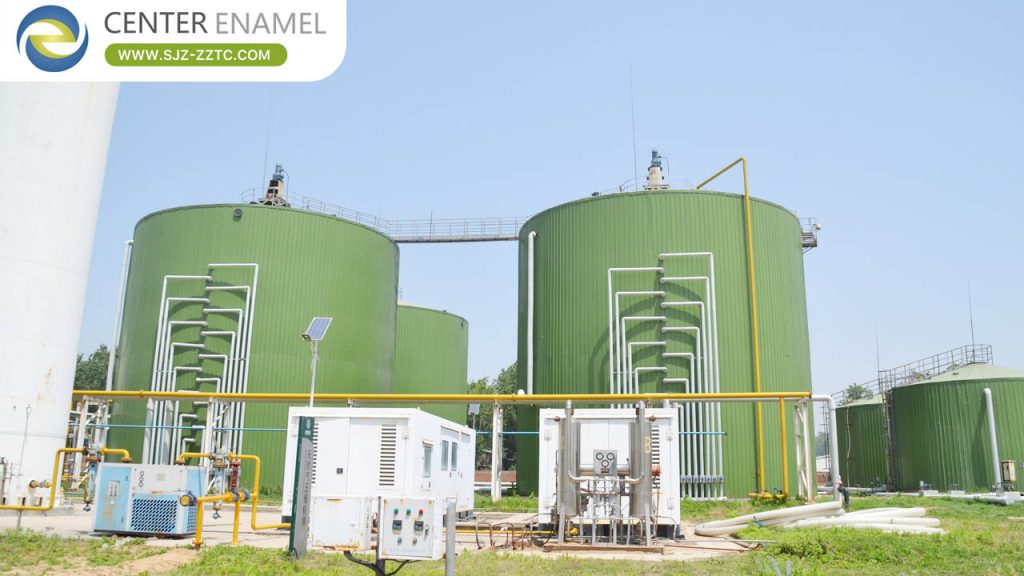
Definition: What Is a Biodigester?
A biodigester (also known as an anaerobic digester or biogas digester) is an enclosed, gas-tight biological reactor vessel designed to accelerate the natural breakdown of biodegradable organic matter in the complete absence of free oxygen.
When organic feedstocks—such as municipal sewage sludge, food processing waste, livestock manure, or high-strength industrial effluents—are fed into the sealed chamber, specialized anaerobic bacterial consortia digest the biological compounds. This process yields two valuable byproducts:
- Biogas: A combustible mixture composed primarily of methane (CH4) and carbon dioxide (CO2), used for energy generation.
- Digestate: A nutrient-rich liquid or solid material suitable for organic fertilizer or soil enhancement.
How a Biodigester Works: The Four Biochemical Stages
The internal biological mechanism of a biodigester relies on anaerobic digestion, a four-stage metabolic process executed by distinct microbial groups:
- Hydrolysis: Complex, insoluble polymers (proteins, lipids, carbohydrates) are broken down by bacterial enzymes into soluble monomers such as amino acids, fatty acids, and simple sugars.
- Acidogenesis: Acidogenic bacteria ferment the soluble monomers into volatile fatty acids (VFAs), alcohols, lactic acid, and carbon dioxide.
- Acetogenesis: Acetogenic microorganisms convert the VFAs and alcohols into acetic acid, hydrogen, and carbon dioxide.
- Methanogenesis: Strict anaerobic methanogenic archaea consume the acetic acid and hydrogen to produce methane gas (CH4) and carbon dioxide (CO2), completing the conversion into biogas.
Key Structural Types of Biodigesters
Biodigester designs vary based on feedstock solid content, spatial availability, and target operational scale:
1. High-Rate Industrial Reactors (CSTR, UASB, IC)
Engineered for continuous-flow industrial wastewater and high-volume operations, these reactors maximize biomass retention and mixing efficiency within compact spatial footprints. Advanced containment configurations often utilize Glass-Fused-to-Steel (GFS) bolted tanks to resist corrosive organic acids and hydrogen sulfide gases over 30+ year design lifespans.
2. Fixed-Dome Biodigesters
A rigid, underground masonry or concrete structure consisting of a fixed digester tank and an integrated gas holder dome. Known for long service life and thermal stability, they are widely used in agricultural and small-community applications.
3. Floating-Drum Biodigesters
Features a moving gasholder drum that floats directly on top of the fermenting slurry or liquid seal. As biogas is generated, the drum rises, providing a visual indicator of gas volume and maintaining a constant operating pressure.
4. Plug-Flow / Tubular Biodigesters
Long, narrow horizontal reactor trenches or flexible membrane bags where feedstock enters at one end and slowly moves toward the outlet as a "plug". They are well-suited for high-solid substrates like dairy manure or agricultural residues.
Comparative Data Table: Biodigester Types vs. Conventional Waste Ponds
| Evaluation Parameter | High-Rate Industrial Biodigester | Traditional Fixed-Dome / Floating Drum | Open Lagoon / Waste Pond |
| Primary Target Feedstock | Industrial effluents, POME, food waste | Agricultural manure, household waste | Untreated animal or industrial slurry |
| COD / BOD Removal | Superior (85% to 95%+) | Moderate to High (70% to 85%) | Low to Moderate (40% to 60%) |
| Biogas Capture Rate | 100% captured for power/heat | 100% captured for cooking/heating | Uncontrolled fugitive methane release |
| Spatial Footprint | Compact, vertical modular design | Moderate semi-underground footprint | Massive, land-intensive requirement |
| Odor & Environmental Control | Fully sealed, odorless, zero-seepage | Enclosed, minimal odor emissions | High odor release, groundwater pollution risks |
Frequently Asked Questions (FAQ)
Q1: What is the main difference between a septic tank and a biodigester?
A: While a traditional septic tank primarily acts as a passive settling basin that requires periodic pumping to remove accumulated sludge, a biodigester actively degrades organic solids through continuous anaerobic digestion. Biodigesters produce usable biogas energy and treated liquid effluent, minimizing sludge buildup and eliminating foul odors.
Q2: What materials can be put into a biodigester?
A: Biodigesters process biodegradable organic feedstocks, including food scraps, agricultural manure, crop residues, municipal sewage sludge, and organic industrial wastewater (from breweries, food processing, and palm oil mills). Non-biodegradable plastics, synthetic chemicals, inorganic trash, and excessive toxic oils should be excluded.
Q3: Is the output of a biodigester safe to use as fertilizer?
A: Yes. The liquid or solid byproduct of anaerobic digestion, called digestate, is rich in bioavailable nitrogen, phosphorus, and potassium. The anaerobic digestion process neutralizes most weed seeds and pathogens, creating a safer, natural alternative to chemical fertilizers.