
What is a Biogas Boiler? A Complete Guide to Renewable Heat Generation from Biogas
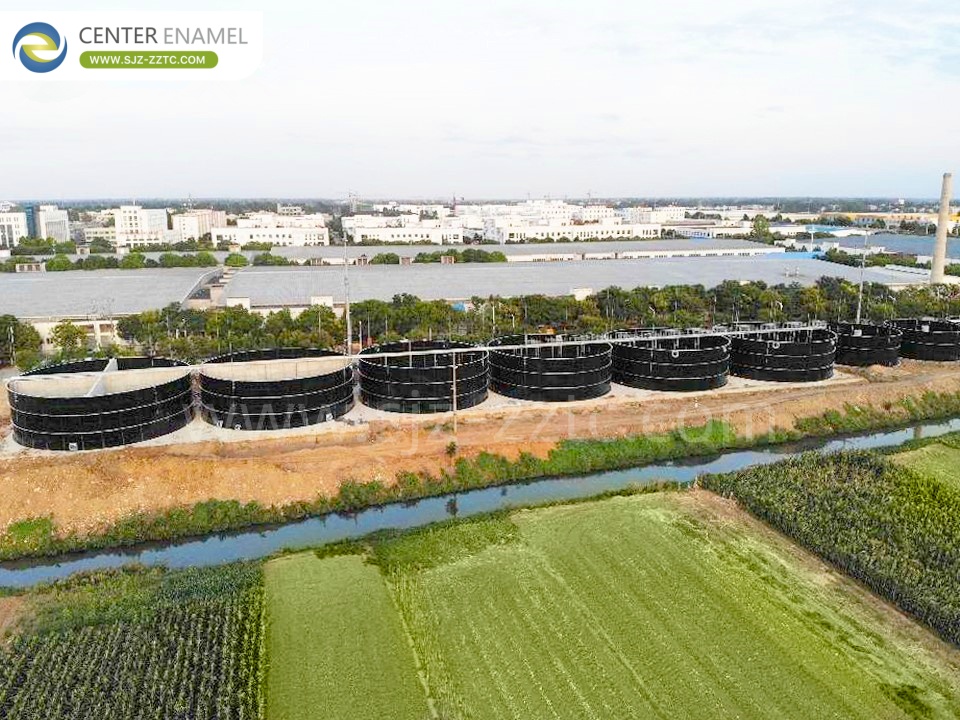
As the world accelerates its transition to renewable energy, biogas boilers have emerged as a critical technology for converting organic waste into usable heat. But what exactly is a biogas boiler, and how does it fit into the broader biogas production and utilization chain? This comprehensive guide explains everything you need to know.
Biogas Boiler Definition – Converting Methane into Usable Heat
A biogas boiler is a specialized combustion system designed to burn biogas-a mixture of methane (CH₄) and carbon dioxide (CO₂) produced through anaerobic digestion-to generate heat for various applications. Like conventional gas-fired boilers, they operate on the same fundamental principle: fuel combustion transfers thermal energy to water or another heat transfer medium. However, biogas boilers are specifically engineered to handle biogas's unique characteristics, including its lower calorific value (approximately 21–25 MJ/m³ compared to ~35 MJ/m³ for natural gas) and variable composition.
The heat generated can be used for:
Space heating (buildings, greenhouses)
Hot water supply
Steam generation for industrial processes
Digester heating in anaerobic digestion plants
Biogas Composition – Understanding the Fuel Source
Biogas is primarily composed of methane (typically 50–60%) and carbon dioxide (30–40%), with smaller amounts of hydrogen sulfide, ammonia, water vapor, and trace elements. The exact composition varies depending on the feedstock and digestion conditions.
Key characteristics affecting boiler performance:
Lower calorific value (20–24 MJ/m³) compared to natural gas (35.7 MJ/m³)
Variable composition – methane content can range from 50% to 80%+
Higher CO₂ content – up to 37% reduces flame temperature and combustion efficiency
Presence of H₂S – requires corrosion-resistant materials
Saturated with moisture – needs drying before combustion
These properties mean biogas boilers must be designed with specific considerations for burner design, air-to-fuel ratios, and material selection to achieve optimal performance.
How Biogas Boilers Work – Combustion Principles and Heat Transfer
Biogas boilers operate on a straightforward principle: biogas is combusted in a burner, and the resulting heat is transferred to water or steam through heat exchange surfaces. The process typically follows these steps:
Combustion Stage
The biogas burner mixes fuel with primary air to achieve stoichiometric combustion, with secondary air introduced to ensure complete oxidation. Advanced burners use biogas-specific design features to address the fuel's lower flame speed and variable composition. For example, some manufacturers have developed specialized burners that can operate on natural gas and biogas interchangeably or simultaneously, ensuring stable operation even when biogas supply fluctuates.
Heat Transfer Stage
High-temperature flue gases pass through heat exchanger tubes, transferring thermal energy to water in the boiler shell. Modern biogas boilers use multi-pass designs (commonly three-pass WNS or SZS series) to maximize heat extraction, with thermal efficiencies reaching 95% or higher.
Flue Gas Treatment
The cooled flue gases are exhausted through a chimney, with emissions treated to meet environmental standards. Biogas combustion produces lower NOx and SO₂ emissions than fossil fuels, but may require H₂S scrubbing to prevent corrosion and meet emission limits.
Biogas Boiler Applications – Where Are They Used?
Biogas boilers serve diverse applications across multiple sectors, making them a versatile solution for renewable heat generation:
Agricultural Sector
Large-scale livestock farms use biogas boilers to:
Heat anaerobic digesters to optimal temperatures (~35–40°C for mesophilic digestion or ~55°C for thermophilic)
Provide space heating for animal barns and greenhouses
Dry crops and agricultural products
Wastewater Treatment Plants (WWTPs)
In municipal and industrial wastewater facilities, digester heating is the single largest internal energy demand. Biogas boilers provide a cost-effective method to recover energy from digester gas, often serving as the primary or backup heat source to maintain digestion temperatures around 35°C for mesophilic processes.
Food and Beverage Industry
Food processing plants and breweries can use biogas boilers to supply process heat for:
Cooking, pasteurization, and sterilization
Product drying
Facility heating and hot water
Industrial Manufacturing
Pulp and paper mills, chemical plants, and other energy-intensive industries can reduce fossil fuel consumption by integrating biogas boilers into their heat and power systems.
Biogas Boilers in the Biogas Production Process – Where Do They Fit?
Biogas boilers play a crucial role at multiple points in the biogas production and utilization chain:
Post-Production Utilization
After biogas is produced in an anaerobic digester and undergoes basic treatment (desulfurization and dehydration), it can be fed directly to a biogas boiler for immediate heat generation. This is the most straightforward and cost-effective way to utilize biogas on-site.
Digester Heating Integration
A common closed-loop arrangement uses part of the biogas produced to heat the digester itself. Biogas boilers maintain the optimal temperature for anaerobic bacteria activity, ensuring consistent gas production. In colder climates, boilers can also supply room heating for adjacent facilities.
Hybrid and Backup Systems
Many biogas plants employ dual-fuel boilers that can run on either biogas or natural gas. This configuration provides backup during digester startup, periods of low biogas production, or when feedstock quality fluctuates, ensuring continuous heat supply for critical processes.
Combined Heat and Power (CHP) Integration
In CHP configurations, biogas is burned in gas engines or turbines to generate electricity, and the waste heat is recovered for heating. Biogas boilers can supplement this system by providing additional heat when engine heat recovery is insufficient.
Biogas Boiler Benefits – Why Choose Renewable Heat?
Biogas boilers offer compelling advantages over conventional fossil-fuel heating systems:
Economic Benefits
Significant fuel cost savings by replacing purchased natural gas, coal, or oil with self-produced biogas
Reduced operational costs – biogas is produced from waste that would otherwise require disposal
Potential revenue streams from renewable energy incentives, feed-in tariffs, and carbon credits
Environmental Benefits
Greenhouse gas reduction – using biogas displaces fossil fuel consumption and prevents methane release from organic waste decomposition
Carbon neutrality – biogas combustion emits carbon that was recently captured from the atmosphere by plants, creating a closed carbon cycle
Lower air pollutant emissions compared to coal or oil combustion
Waste reduction and resource recovery – converting organic waste to energy rather than landfilling
Operational Benefits
On-site energy production – reduces dependence on external energy suppliers
Energy security – diversifies fuel sources and hedges against fossil fuel price volatility
Utilizes existing waste streams – turns a disposal problem into an energy asset
Reliable technology – biogas boilers are robust and can accept varying gas quality with minimal conditioning
Biogas Boiler vs. Biogas CHP – Understanding the Difference
While both technologies use biogas for energy, they serve different purposes:
| Aspect | Biogas Boiler | Biogas CHP |
| Output | Heat only | Heat + Electricity |
| Efficiency | 90–98% thermal efficiency | ~40–50% electrical + 40–50% heat (85–90% total) |
| Complexity | Simple, low maintenance | Complex, higher maintenance |
| Cost | Lower capital cost | Higher capital cost |
| Best for | Heat-intensive applications | Applications requiring both power and heat |
| Scale | Small to large | Usually medium to large |
The choice depends on project economics, energy demand patterns, and available incentives. For many wastewater treatment plants and agricultural facilities, biogas boilers provide the most cost-effective method to recover energy from biogas.
Conclusion: Center Enamel – Your One-Stop Biogas Solution Provider
Center Enamel is a global leader in delivering comprehensive biogas project solutions, with over 30 years of experience and more than 10,000 tanks delivered across 100+ countries. We provide end-to-end EPC (Engineering, Procurement, and Construction) services covering every stage of the biogas value chain:
Our Biogas Offering Includes:
Glass-Fused-to-Steel (GFS) tanks – corrosion-immune anaerobic digesters with 30+ year lifespan
CSTR anaerobic reactors – optimized for high-solid organic waste treatment
Double-membrane gas holders – safe, durable biogas storage with ATEX compliance
Integrated biogas boiler solutions – tailored to your heat requirements
Full-turnkey project delivery – from design to commissioning and after-sales support
Our biogas boiler solutions are designed for maximum efficiency and reliability, integrated seamlessly with our GFS tank digestion systems, and backed by international certifications including ISO 9001, NSF/ANSI 61, CE, and ASME.
Partner with Center Enamel to transform your organic waste into renewable energy, reduce operational costs, and achieve your sustainability goals through the complete biogas solution-from digestion to combustion.
FAQ
1. Can a biogas boiler run on raw biogas directly?
Yes, most biogas boilers can accept raw biogas with minimal conditioning. Unlike gas engines, which require extensive gas cleaning to remove H₂S and siloxanes, biogas boilers are robust and tolerant of varying gas quality. Basic drying and particulate removal are typically sufficient. For optimal performance and longevity, desulfurization is recommended to prevent corrosion.
2. How does biogas boiler efficiency compare to natural gas boilers?
Biogas boiler efficiency is typically 4–5% lower than natural gas-fired boilers due to the higher CO₂ content in biogas, which reduces flame temperature and heat transfer efficiency. A steam boiler using biogas may achieve approximately 85% efficiency compared to 90% on natural gas. However, with advanced design features (condensing economizers, optimized burners), modern biogas boilers can reach 95%+ thermal efficiency.
3. Can existing natural gas boilers be converted to burn biogas?
Yes, with modifications. Existing natural gas boilers can be retrofitted to run on biogas, but adjustments are needed because biogas has a lower calorific value and different combustion characteristics. Burners may need replacement or modification to handle the different flame speed and air-fuel ratio. The boiler's heat exchange surfaces should be checked for compatibility with biogas combustion products, particularly H₂S. Many facilities use dual-fuel burners that can switch between natural gas and biogas, providing operational flexibility.