
What is a Biogas Flare? The Essential Safety Valve for Your Biogas Plant
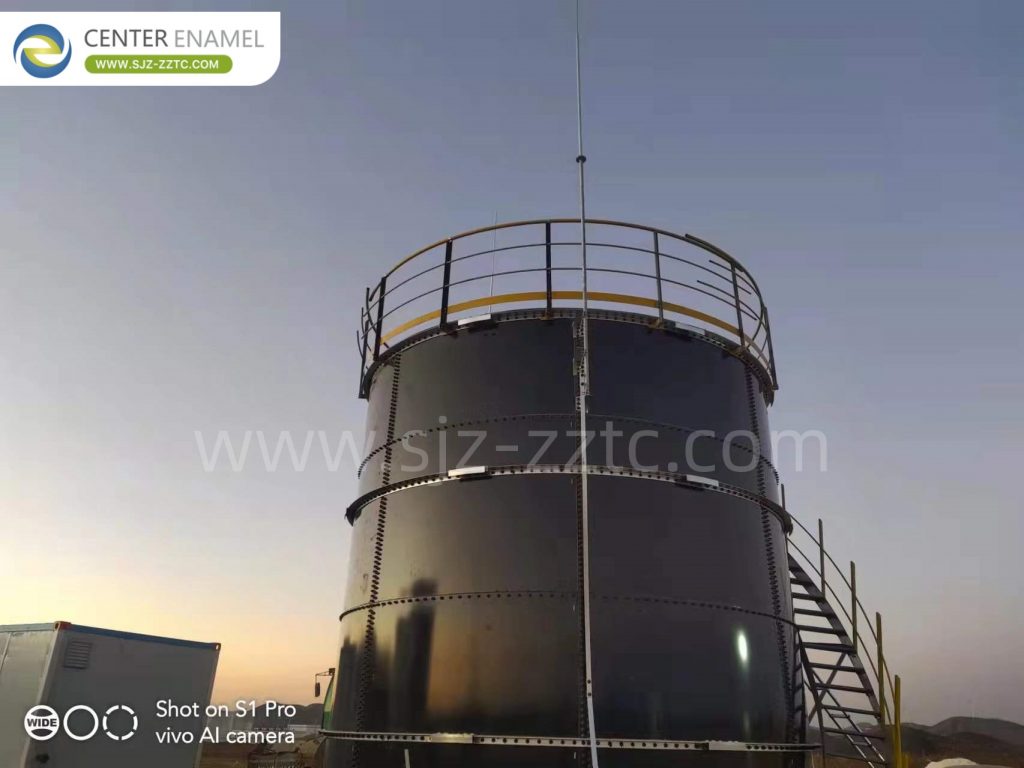
In the sustainable energy landscape, biogas plants play a pivotal role in converting organic waste into renewable energy. However, even the most well-designed systems experience fluctuations in gas production. A biogas flare, also known as a biogas torch, is a critical safety and environmental device designed to safely combust excess or off-specification biogas that cannot be utilized or stored. By effectively managing surplus gas, these systems prevent the release of unburned methane—a potent greenhouse gas—into the atmosphere, thereby protecting both the environment and personnel .
What is a Biogas Flare and Why is it Essential?
A biogas flare is a combustion device specifically engineered to safely burn methane-rich gas produced during anaerobic digestion. While biogas is a valuable renewable energy source, there are numerous scenarios where immediate utilization isn't possible. A flare serves as the plant's ultimate safety net, ensuring operational integrity during periods of imbalance. When gas production exceeds storage capacity or when technical issues prevent normal usage, the flare steps in to manage this excess safely .
These systems are not merely optional add-ons; they are an integral part of the plant's safety infrastructure. They provide a controlled outlet for biogas, eliminating the risk of dangerous gas buildup or uncontrolled explosions . The importance of these systems is underscored by regulatory requirements, which often mandate flaring as a Best Available Technique (BAT) for controlling methane emissions and ensuring site safety .
The Critical Role of Flaring in Biogas Project Safety
Safety is the foremost reason for installing a biogas flare. Biogas, primarily composed of methane, is highly flammable and can form explosive mixtures with air. Without a reliable system to handle excess gas, pressure can build up in storage tanks and digesters, leading to catastrophic failures .
In practice, a biogas flare is a last line of defense. It is activated in various situations: during planned maintenance, when the gas utilization system (such as a Combined Heat and Power unit or gas upgrading plant) is offline, or during emergency shutdowns. By combusting the gas, the flare prevents the accumulation of methane in the facility's enclosure or its release into the atmosphere, making the plant safer for workers and the surrounding community .
How a Biogas Flare System Works
While the concept is straightforward, the operation of a biogas flare involves several sophisticated components working in tandem. The process begins when biogas is directed from the collection or storage system to the flare's gas inlet. A modern system features an automatic ignition system, which uses electrical sparks or a pilot flame to ignite the gas as it enters the combustion chamber. This is typically managed by a control system that monitors gas pressure, flow, and temperature to ensure safe and optimal operation .
Essential Components of a Flare System:
Gas Inlet & Safety Valves: Directs gas from the digester or holder to the flare while ensuring safe shut-off .
Flame Arrestor: Prevents the flame from traveling back into the gas piping, a critical safety device .
Ignition System: The mechanism that reliably sparks the gas to initiate combustion .
Combustion Chamber/Burner: Where the gas is mixed with air and burned .
Control System: The "brain" of the flare, which automates operation and monitors sensors .
Types of Biogas Flares: Enclosed vs. Open Flares
Biogas flares come in two primary configurations: enclosed (or ground) flares and open (or elevated) flares. The choice between them depends on the plant's location, environmental regulations, and aesthetic requirements.
Enclosed Flares are designed to hide the flame from view and are generally the preferred choice for new installations, especially those near populated areas. They are more complex and typically more expensive, but they offer significant advantages: zero visible flame, reduced noise, and minimal thermal radiation outside the unit . This makes them an excellent solution for sites where environmental impact and visual aesthetics are a primary concern. They are designed to achieve high Destruction Removal Efficiencies (DRE) of at least 98% .
Open Flares are a simpler, more cost-effective option. They are often elevated to keep the flame and heat away from the ground, making them suitable for remote sites with fewer restrictions. They also offer a higher turndown ratio, allowing them to handle a wider range of gas flows more effectively .
Key Design Features and Industry Standards
A well-designed flare is not just a pipe in the ground; it is an engineered system built to withstand harsh conditions and ensure complete combustion. To achieve high efficiency (often 98% or greater), the design must account for the variable composition of biogas, which contains roughly equal parts methane and carbon dioxide, making it a low calorific value gas .
Modern flares are constructed from high-quality, corrosion-resistant materials like stainless steel to endure the high temperatures and corrosive gases involved . The system must be weatherproof and robust enough to withstand wind stresses, which can significantly decrease combustion efficiency if not properly designed .
Industry Standards: Compliance with standards like ISO 22580 is critical. This standard outlines the design, construction, and operational requirements for biogas flares, covering everything from burner control units and safety valves to lightning protection and maintenance .
Applications: When is a Biogas Flare Used?
A biogas flare is an essential component for any plant where production rates may not always align with consumption. Its primary use cases include:
Excessive Gas Production: When process conditions change and biogas output exceeds the capacity of the gas utilization system (e.g., a CHP engine or upgrading unit). This can occur when the feed is more degradable than anticipated .
Gas Quality Issues: If the biogas does not meet the required specification for use in downstream equipment due to high contaminants like H₂S or low methane content .
System Maintenance or Start-up: During planned maintenance of the gas utilization equipment, or during plant start-up and shutdown when the system cannot operate at normal capacity. Regulations strictly prohibit the routine use of flares for disposal, limiting them to emergency and maintenance scenarios .
Emergency Situations: As a crucial safety backup during equipment failure or power outages, preventing unplanned gas releases .
Environmental and Regulatory Compliance
From an environmental perspective, flaring is the preferred method for managing excess biogas. While burning produces CO₂, it is significantly less harmful than releasing unburnt methane, which has a global warming potential many times greater . Properly designed and operated flares ensure that methane is destroyed, reducing the plant's carbon footprint and helping it comply with strict environmental permits .
Regulatory bodies require facilities to install and maintain a gas flare that is available for use at all times. Plants must keep detailed records of all flaring events, including the date, time, and duration of operation. In some jurisdictions, process monitoring requirements are in place to record flaring events via SCADA systems, and if a flare operates for more than a certain threshold (e.g., 10% of the year), emissions testing becomes mandatory .
Center Enamel: Your Complete Biogas Equipment Solutions Provider
Building a reliable biogas plant requires more than just a flare; it demands a seamless integration of all components, from storage to combustion. As a leading storage tank manufacturer with over 30 years of experience, Center Enamel provides high-quality, reliable, and efficient solutions for biogas projects of all sizes . Beyond our renowned Glass-Fused-to-Steel (GFS) tanks, we offer a comprehensive suite of biogas equipment, including robust biogas torches/flares engineered to provide safe and effective gas flaring in demanding conditions .
Our expertise ensures that your project benefits from a holistic approach. We don't just supply equipment; we provide the critical components that integrate seamlessly to create a safe, efficient, and profitable operation. Whether you need gas storage, a reliable backup flare, or complete wastewater treatment solutions, Center Enamel has the technology and experience to support your project.
Key Advantages of Center Enamel's Biogas Solutions:
Proven Reliability: A track record of supplying high-quality biogas equipment to projects worldwide .
Advanced Design: Equipment is engineered for maximum safety, efficiency, and durability .
Customizable Options: We offer custom designs to suit the specific needs of your biogas plant .
Complete Project Support: From GFS tanks to flares, we provide a one-stop solution for your biogas infrastructure .
Conclusion
A biogas flare is more than just a piece of equipment; it is the cornerstone of safety and environmental compliance for any biogas project. By ensuring that excess or off-spec gas is safely and efficiently combusted, flares protect both plant personnel and the environment from the hazards of methane. Understanding the types, operation, and importance of these systems is critical for any operator looking to build a sustainable and reliable renewable energy facility. With robust design, reliable automation, and adherence to international standards, modern biogas flares are a testament to the engineering behind the green energy revolution.
Frequently Asked Questions (FAQ)
1.What is the primary purpose of a biogas flare?
The primary purpose of a biogas flare is to safely dispose of excess biogas that cannot be used or stored, preventing the release of unburnt methane into the atmosphere. This protects against explosions and reduces the plant's environmental impact by converting methane into less harmful CO₂ .
2. Why is a biogas flare considered a "safety device"?
It is a critical safety mechanism because it manages the risk of pressure buildup in gas storage systems. By providing a controlled outlet for combustion, it eliminates the risk of gas buildup or dangerous explosions, protecting both personnel and the facility .
3. What is the difference between an enclosed and an open biogas flare?
An enclosed flare is designed to hide the flame, reducing noise and thermal radiation, making it suitable for sites near populated areas. An open flare is a simpler, more cost-effective solution often used in remote locations. Enclosed flares are generally preferred for new plant installations .