
What Is a Biogas Machine? A Complete Guide to Biogas Equipment
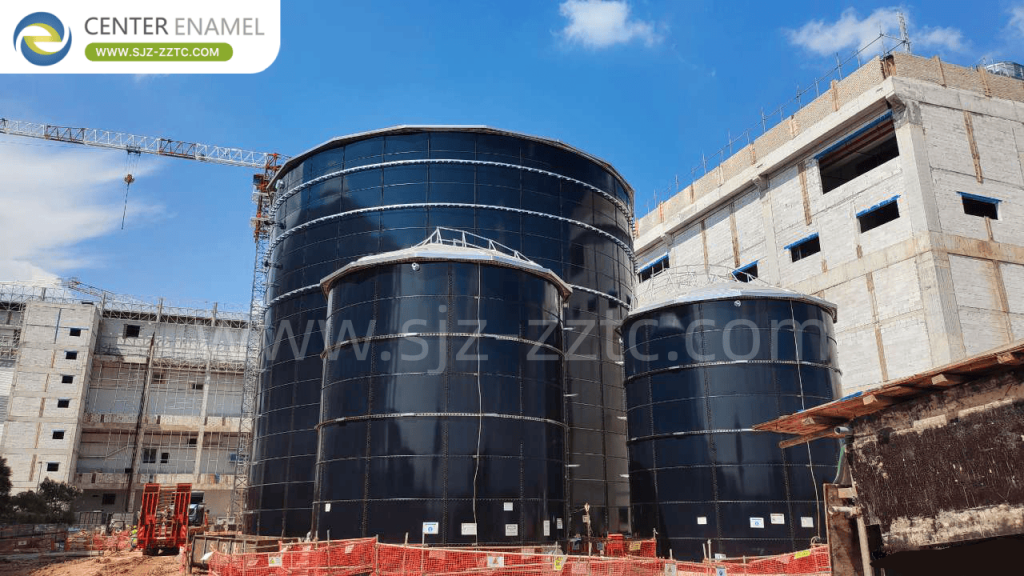
In an era of rising energy costs and increasing environmental awareness, biogas technology has emerged as a practical solution for converting organic waste into renewable energy. But what exactly is a "biogas machine"? The term often causes confusion because, unlike a typical household appliance, a biogas system is not a single device but rather an integrated system of multiple components working together .
A biogas machine (also called a biogas plant, biogas digester, or biogas system) is a facility or equipment setup that produces biogas through the anaerobic digestion of organic materials such as animal manure, food waste, agricultural residues, and sewage sludge . This article provides a comprehensive overview of biogas machines, their components, how they work, and how Center Enamel can deliver complete turnkey solutions for your biogas project.
What Is a Biogas Machine? Definition and Overview
A biogas machine is best understood as a complete system designed to:
Receive and pre-treat organic feedstock
Digest the organic matter in an oxygen-free environment
Capture the resulting biogas (primarily methane and carbon dioxide)
Store the gas for later use
Utilize the biogas for energy generation (electricity, heat, or vehicle fuel)
The core of any biogas machine is the digester or reactor-the sealed vessel where anaerobic digestion takes place . However, a functional biogas system includes much more than just the digester.
How Big Is a Biogas Machine?
Biogas systems range dramatically in size:
Small-scale home systems: As compact as 2-3 meters in footprint, suitable for a single household
Farm-scale systems: Reactor volumes of 600-5,000 m³, processing manure from hundreds of cattle
Industrial systems: Large-scale plants processing thousands of tons of waste annually
How Does a Biogas Machine Work?
The biogas production process follows a sequence of steps, each requiring specific equipment.
Step 1: Feedstock Reception and Pre-Treatment
Before organic waste enters the digester, it must be prepared:
| Component | Function |
| Reception tank | Receives and stores incoming liquid waste (e.g., manure, slurry) |
| Solids feeder | Handles solid biomass such as silage, crop residues, or food waste |
| Mixing/dosage unit | Blends different feedstocks and heats them to optimal digestion temperature |
| Crusher/grinder | Reduces particle size for faster digestion |
| Sand trap | Removes heavy particles (sand, stones) that could damage equipment |
At facilities like the Aarhus University biogas plant, for example, fats, raw slurry, and solids are mixed in a dosage module and heated to approximately 52°C before being pumped into the reactor .
Step 2: Anaerobic Digestion (The Core Process)
The heart of the biogas machine is the digester or reactor-a sealed, airtight tank where microorganisms break down organic matter in the absence of oxygen .
Key features of a biogas digester include:
Airtight construction to maintain anaerobic conditions
Mixing system (mechanical stirrers or gas recirculation) to ensure uniform digestion
Temperature control (typically 35-37°C for mesophilic or 50-55°C for thermophilic digestion)
Gas collection system at the top of the reactor
Inside the digester, four biological stages occur:
Hydrolysis-Complex organic molecules are broken into simpler compounds
Acidogenesis-Simple compounds are converted into organic acids
Acetogenesis-Organic acids are converted into acetic acid, hydrogen, and carbon dioxide
Methanogenesis-Methane-producing bacteria convert these into biogas (55-75% methane)
Modern biogas machines use high-rate reactor designs such as CSTR (Continuously Stirred Tank Reactor) for high-solids feedstocks or EGSB (Expanded Granular Sludge Bed) for industrial wastewater .
Step 3: Biogas Collection and Storage
As biogas is produced, it rises to the top of the digester and is collected through gas pipes.
Biogas storage options include:
Integrated gas holders (double membrane roofs on the digester itself)
Separate gas holders (standalone storage tanks)
Low-pressure storage (balloon-type or membrane systems)
Step 4: Biogas Purification
Raw biogas contains impurities that must be removed before use:
| Impurity | Removal Method | Why It Matters |
| Hydrogen sulfide (H₂S) | Biological or chemical scrubbing | Prevents corrosion of engines and pipes |
| Water vapor | Gas cooling/condensation | Prevents condensation in gas lines |
| Siloxanes | Activated carbon filtration | Protects engine components |
A typical biogas machine includes a desulfurization unit to reduce H₂S concentration to below 100 ppm and a gas cooler to condense and remove water vapor .
Step 5: Biogas Utilization
The cleaned biogas can be used in several ways:
| Application | Equipment Required | Output |
| Electricity generation | Gas generator (engine) | 600-1,000+ kW per unit |
| Heat production | Biogas boiler | Hot water or steam |
| Combined heat and power (CHP) | CHP unit | Electricity + waste heat |
| Vehicle fuel | Upgrading system | Bio-CNG (compressed natural gas) |
For methane content to be suitable for combustion, it must be between 50% and 70%; below this threshold, the generator will not operate efficiently .
Step 6: Digestate Management
The material remaining after digestion (digestate) is not waste-it is a valuable organic fertilizer. A decanter centrifuge or screw press separates the digestate into:
Solid fraction (25-30% dry matter) - Can be used as animal bedding or sold as compost
Liquid fraction-Nutrient-rich liquid fertilizer for crop application
Complete Components of a Biogas Machine
A fully functional biogas machine includes the following core components :
| Component | Function |
| Screw-feed loaders | Transport solid feedstock into the system |
| Grinder/crusher | Reduces particle size of solids |
| Pumps | Move slurry and liquid between process stages |
| Anaerobic reactor/digester | Sealed tank where biogas is produced |
| Mixers (inclined/submersible) | Keep contents uniformly mixed |
| Gas holder | Stores produced biogas |
| Desulfurization system | Removes corrosive H₂S |
| Gas chiller/cooler | Removes water vapor |
| Compressor | Increases gas pressure for transport |
| Gas analyzer | Monitors methane content and quality |
| Spent substrate separator | Separates digestate into solid/liquid fractions |
| Torch/flare | Safely combusts excess gas during maintenance |
| Generator/engine | Converts biogas into electricity and heat |
Types of Biogas Machines
1. Small-Scale Home Biogas Systems
Designed for individual households, these compact systems typically process 2-6 kg of food waste or 20-50 liters of manure daily. They are often made from durable PVC or polyethylene and can be installed in a backyard .
2. Farm-Scale Biogas Plants
These systems process manure from 50-500+ cattle, with reactor volumes from 600-5,000 m³. They typically include pre-treatment, mixing, heating, and digestate separation equipment .
3. Industrial Biogas Plants
Large-scale facilities processing thousands of tons of industrial waste, agricultural residues, or municipal wastewater. They use advanced high-rate reactor designs like CSTR or EGSB housed in durable tanks .
Center Enamel: Your One-Stop Biogas Equipment Provider
With over 36 years of experience, Shijiazhuang Zhengzhong Technology Co., Ltd (Center Enamel) is the largest manufacturer of Glass-Fused-to-Steel (GFS) tanks in Asia and a trusted global supplier of complete biogas solutions .
What Center Enamel Provides
Center Enamel delivers complete turnkey biogas systems including:
1. High-Quality Biogas Digesters
Center Enamel's GFS tanks are the industry standard for biogas reactor containment:
Glass-Fused-to-Steel construction-Glass coating fused to steel at over 800°C
Superior corrosion resistance-Withstands H₂S, organic acids, and ammonia (pH range 1-14)
Airtight, gas-tight design-Ensures maximum methane capture
Modular, bolted assembly-Rapid installation in any weather
Long service life-Decades of maintenance-free operation
2. Complete Biogas System Components
Center Enamel can supply all the equipment needed for a functional biogas machine:
Pre-treatment equipment (screens, crushers, sand traps, homogenization tanks)
Anaerobic digesters (CSTR, EGSB, UASB designs)
Double membrane roofs with integrated gas holders
Gas purification systems (desulfurization, dehydration)
Biogas storage tanks (stainless steel options available)
Digestate separation equipment (solid-liquid separators, screw presses)
Torch/flare systems for excess gas combustion
3. Professional EPC Services
Center Enamel provides Engineering, Procurement, and Construction services, taking full responsibility for:
Custom design-Tailored to your specific feedstock, site conditions, and energy needs
Equipment supply-All components from a single, reliable source
Construction and commissioning-Professional installation and biological start-up
Training-Operator training for safe, efficient system management
Proven Project References
Center Enamel has successfully delivered large-scale biogas projects globally:
| Project | Application | Capacity |
| Muyuan Group (China) | Livestock wastewater | 2 tanks, 17,962 m³ total |
| Mengniu Group (China) | Dairy processing wastewater | 1,078 m³ reactor |
| Multiple international projects | Agricultural and industrial biogas | Various scales |
A biogas machine is not a single appliance but an integrated system of specialized equipment designed to convert organic waste into renewable biogas. From small home digesters to large industrial plants, these systems provide a sustainable solution for waste management, energy generation, and fertilizer production.
At its core, a biogas machine consists of:
Pre-treatment equipment to prepare feedstock
An anaerobic digester where the magic happens
Gas handling systems for purification and storage
Utilization equipment (generators, boilers)
Digestate management to produce valuable fertilizer
Center Enamel offers complete, one-stop biogas solutions for farms, industries, and wastewater treatment facilities worldwide. With our high-quality GFS tanks, comprehensive equipment supply, and professional EPC services, we deliver turnkey biogas systems that turn your organic waste into a valuable resource.
Contact Center Enamel today to discuss your biogas project requirements.
Frequently Asked Questions (FAQ)
Q1: How much does a biogas machine cost?
A: The cost of a biogas system varies widely based on size, feedstock type, and required components. Small home systems may cost a few hundred to a few thousand dollars. Farm-scale systems (processing manure from 100-200 cattle) typically range from $50,000 to $500,000 depending on automation, gas utilization equipment, and site conditions. Industrial systems can cost significantly more. Contact Center Enamel for a customized quotation based on your specific project.
Q2: Can a biogas machine run on food waste only?
A: Yes. However, food waste alone can lead to rapid acidification of the digester because it is highly biodegradable. It is often best to co-digest food waste with other feedstocks like manure or agricultural residues to buffer pH and maintain stable microbial conditions. Center Enamel designs systems with appropriate pre-treatment and feeding strategies for food-waste-only applications.
Q3: What maintenance does a biogas machine require?
A: A well-designed biogas machine requires regular but minimal maintenance. Daily tasks include checking feedstock feeding and gas production. Weekly tasks include inspecting hoses, valves, and pressure readings. Every 6-12 months, components such as gas filters should be replaced, and the digester inspected for sludge accumulation. With Center Enamel's GFS tank construction, the digester itself requires no painting or corrosion maintenance for decades.