
What Is a Biogas Plant? A Complete Guide to Anaerobic Digestion Systems
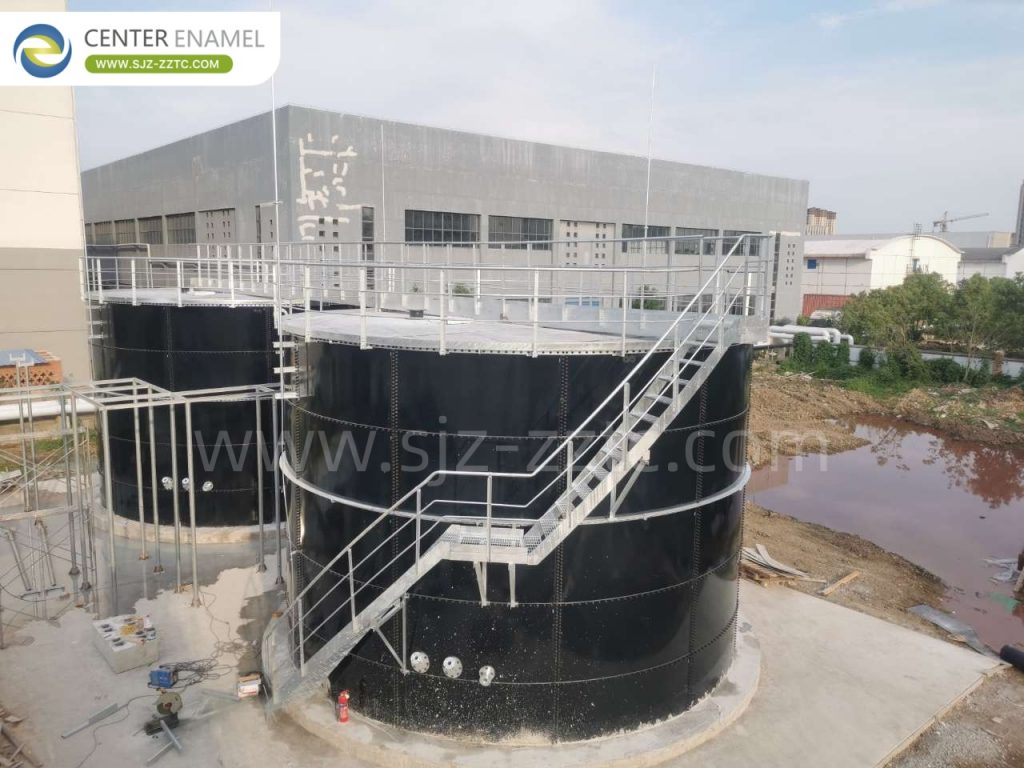
In the global transition toward renewable energy and sustainable waste management, the term biogas plant is increasingly common. But what exactly is a biogas plant? At its simplest, a biogas plant is a facility that converts organic waste into biogas-a mixture of methane (CH₄) and carbon dioxide (CO₂)-through a natural biological process called anaerobic digestion .
Unlike solar or wind energy, which depend on weather conditions, a biogas plant produces predictable, controllable renewable energy 24 hours a day, seven days a week, using organic materials that would otherwise become environmental pollutants . From small farm-based systems to large industrial facilities, biogas plants are transforming how we manage manure, food waste, agricultural residues, and sewage sludge.
What Is a Biogas Plant? Definition and Core Concept
A biogas plant is an integrated system of sealed tanks, piping, and processing equipment designed to create an oxygen-free environment where specific microorganisms break down organic matter. This biological process releases biogas, which is captured and used as fuel for electricity generation, heating, or vehicle power .
The residual material left after digestion, called digestate, is not waste-it is a nutrient-rich, low-odor organic fertilizer that can replace synthetic fertilizers on farms .
Biogas Plant vs. Biogas Digester
While the terms are sometimes used interchangeably, there is a distinction:
A biogas digester (or reactor) is the sealed tank where anaerobic digestion actually occurs.
A biogas plant includes the digester plus all the supporting equipment needed for feedstock handling, gas purification, storage, utilization, and digestate management.
In other words, the digester is the heart, but the biogas plant is the complete body.
How Does a Biogas Plant Work?
A modern biogas plant operates through five key stages, each requiring specific equipment and careful process control.
Stage 1: Feedstock Reception and Pre-Treatment
Organic waste arrives at the plant in various forms: liquid slurry (manure, wastewater), solid biomass (crop residues, food waste), or semi-solid materials. The pre-treatment stage includes:
| Equipment | Purpose |
| Reception pit | Initial collection of liquid or semi-liquid waste |
| Solids feeder | Handles bales of silage or solid organic matter |
| Crusher/grinder | Reduces particle size for faster digestion |
| Sand trap | Removes heavy particles (sand, stones) that damage equipment |
| Mixing tank | Blends different feedstocks and adjusts solids content |
Proper pre-treatment ensures uniform feedstock entering the digester, preventing blockages and maximizing biogas yield .
Stage 2: Anaerobic Digestion (The Core Process)
The prepared feedstock is pumped into the digester, a completely sealed, airtight tank. Inside the digester, four biological steps occur in sequence :
Hydrolysis - Complex organic molecules (carbohydrates, proteins, fats) are broken into simpler compounds by enzymes.
Acidogenesis - These simpler compounds are converted into organic acids, alcohols, hydrogen, and carbon dioxide by acid-forming bacteria.
Acetogenesis - Organic acids are further converted into acetic acid, hydrogen, and carbon dioxide.
Methanogenesis - Methane-producing archaea convert these substrates into biogas (typically 55-75% methane and 25-45% carbon dioxide).
Key design features of a modern digester include:
Airtight construction to maintain anaerobic conditions
Mixing system (mechanical stirrers or gas recirculation) to ensure uniform temperature and bacterial contact
Heating system to maintain optimal temperatures (35-37°C for mesophilic or 50-55°C for thermophilic digestion)
Gas collection dome to capture rising biogas
Stage 3: Biogas Storage and Conditioning
Raw biogas contains impurities that must be removed before use:
| Impurity | Removal Method | Why It Matters |
| Hydrogen sulfide (H₂S) | Biological/chemical desulfurization | Prevents corrosion of engines and pipes |
| Water vapor | Gas cooling/condensation | Prevents condensation and freezing in gas lines |
| Siloxanes | Activated carbon filters | Protects generator components |
After conditioning, the biogas is stored in either:
Integrated gas holders (double membrane roofs on the digester itself)
Separate gas holders (standalone low-pressure storage systems)
Stage 4: Biogas Utilization
The cleaned biogas can be used in multiple ways:
| Application | Equipment | Output |
| Electricity generation | Gas generator/engine | Power for on-farm use or grid export |
| Heat production | Biogas boiler | Hot water or steam |
| Combined heat and power (CHP) | CHP unit | Electricity + waste heat (high efficiency) |
| Vehicle fuel | Upgrading system | Bio-CNG (compressed natural gas) |
| Cooking fuel | Biogas stove | Direct household use |
Stage 5: Digestate Management
The material remaining after digestion (digestate) is a valuable resource. A solid-liquid separator (decanter centrifuge or screw press) divides it into:
Solid fraction - Can be used as animal bedding, sold as compost, or dried for further processing
Liquid fraction - A nutrient-rich liquid fertilizer containing nitrogen, phosphorus, and potassium
This closed-loop approach returns nutrients to farmland, reducing synthetic fertilizer needs and preventing nutrient runoff .
Types of Biogas Plants
1. Small-Scale or Home Biogas Plants
Designed for individual households or small farms, these compact systems typically process 50-200 kg of organic waste daily. They are often constructed from PVC or polyethylene and provide cooking fuel for families .
2. Farm-Scale Biogas Plants
These systems process manure from 100-1,000+ cattle or equivalent livestock. Reactor volumes range from 600 m³ to 5,000 m³. They typically include pre-treatment, heating, mixing, digestate separation, and CHP units for electricity generation .
3. Industrial Biogas Plants
Large facilities processing thousands of tons of industrial waste, agricultural residues, or municipal wastewater. They use advanced high-rate reactor designs housed in durable tanks such as Glass-Fused-to-Steel (GFS) .
4. Wastewater Treatment Plant Biogas
Many municipal sewage treatment plants incorporate anaerobic digesters to treat sludge while generating biogas to offset plant energy demands.
Key Components of a Complete Biogas Plant
A fully functional biogas plant includes the following core components:
| Component | Function |
| Reception and pre-treatment area | Receives and prepares incoming organic waste |
| Anaerobic digester (CSTR, UASB, or EGSB) | Sealed tank where biogas is produced |
| Mixing system (mechanical or hydraulic) | Keeps digester contents uniform |
| Heating system | Maintains optimal digestion temperature |
| Gas holder (integrated or separate) | Stores produced biogas |
| Desulfurization system | Removes corrosive H₂S |
| Gas cooler/dehydrator | Removes water vapor |
| Torch/flare | Safely combusts excess gas during maintenance |
| Gas generator/CHP unit | Converts biogas into electricity and heat |
| Solid-liquid separator | Separates digestate into solid and liquid fractions |
| Control and monitoring system | Ensures safe, efficient operation |
Benefits of a Biogas Plant
| Benefit | Description |
| Renewable energy generation | Produces predictable, dispatchable biogas continuously |
| Waste reduction | Significantly reduces volume and odor of organic waste |
| Nutrient recycling | Digestate provides organic fertilizer, reducing synthetic fertilizer use |
| Greenhouse gas reduction | Captures methane that would otherwise escape from uncontrolled decomposition |
| Energy independence | Farms can generate their own electricity and heat |
| Compliance with regulations | Helps meet environmental standards for manure and waste management |
Center Enamel: Your One-Stop Biogas Plant Provider
With over 36 years of experience, Shijiazhuang Zhengzhong Technology Co., Ltd (Center Enamel) is the largest manufacturer of Glass-Fused-to-Steel (GFS) tanks in Asia and a trusted global provider of complete biogas solutions .
Complete Biogas Plant Solutions
Center Enamel delivers turnkey biogas plants including all necessary components:
1. High-Performance Anaerobic Digesters
Center Enamel‘s GFS tanks are the industry standard for biogas reactor containment:
Glass-Fused-to-Steel construction - Glass coating fused to steel at over 800°C
Superior corrosion resistance - Withstands H₂S, organic acids, and ammonia (pH range 1-14)
Airtight, gas-tight design - Maximum methane capture efficiency
Modular bolted assembly - Rapid installation in any weather
Long service life - Decades of maintenance-free operation
2. Complete Biogas Equipment Supply
Center Enamel can supply all the components needed for a fully functional biogas plant:
Pre-treatment equipment (screens, crushers, sand traps, homogenization tanks)
Anaerobic digesters (CSTR, UASB, EGSB designs)
Double membrane roofs with integrated gas holders
Gas purification systems (desulfurization, dehydration)
Biogas storage tanks
Digestate separation equipment (solid-liquid separators, screw presses)
Torch/flare systems
Monitoring and control systems
3. Professional EPC Services
As a qualified EPC contractor, Center Enamel takes full responsibility for:
Custom design - Tailored to your specific feedstock, site conditions, and energy requirements
Equipment supply - All components from a single reliable source
Construction and commissioning - Professional installation and biological start-up
Training - Operator training for safe, efficient plant management
Global Project Experience
Center Enamel has successfully delivered biogas plants across the world, including:
Muyuan Group (China): Two tanks totaling 17,962 m³ for livestock wastewater treatment
Mengniu Group (China): 1,078 m³ reactor for dairy processing wastewater
Numerous international projects in agriculture, industry, and municipal sectors
Why Choose Center Enamel?
36+ years of experience in water, wastewater, and biogas projects
150,000㎡ R&D and production base
250,000 tank sheets annual production capacity
500+ employees
100+ countries served globally
Certifications: ISO 9001, AWWA D103, NSF/ANSI 61, CE, EN1090
A biogas plant is a complete facility that converts organic waste into renewable biogas through anaerobic digestion. It includes feedstock pre-treatment, an airtight digester, gas handling and purification systems, utilization equipment (generators or boilers), and digestate management for fertilizer production.
From small farm systems to large industrial facilities, biogas plants offer a proven, sustainable solution for waste management, energy generation, and nutrient recycling. By capturing methane that would otherwise escape into the atmosphere, they directly reduce greenhouse gas emissions while producing clean, predictable renewable energy.
Center Enamel provides one-stop biogas plant solutions-from engineering and equipment supply to construction, commissioning, and training. With our high-quality GFS tanks and complete system integration, we deliver reliable, durable, and efficient biogas plants tailored to your specific needs.
Contact Center Enamel today to discuss your biogas project.
Frequently Asked Questions (FAQ)
Q1: How much land is needed to build a biogas plant?
A: The land requirement depends on the plant‘s capacity and design. A small-scale farm biogas plant (processing manure from 100-200 cattle) typically requires 500-1,000 m² including the digester, pre-treatment area, gas holder, and equipment building. Larger industrial plants require proportionally more space. Center Enamel can provide a site assessment and footprint estimate during the design phase.
Q2: Can a biogas plant operate on multiple types of waste simultaneously (co-digestion)?
A: Yes. In fact, co-digesting different feedstocks often improves biogas yield by balancing nutrient ratios and pH. Common co-digestion combinations include cattle manure with food waste, or pig slurry with agricultural residues. However, the mixture must be compatible and properly pre-treated. Center Enamel designs plants with flexible feeding systems specifically for co-digestion applications.
Q3: How long does it take to build and commission a biogas plant?
A: The timeline varies with size and complexity. A small farm-scale biogas plant (100-300 m³ reactor) may take 3-6 months from contract to commissioning. A medium-sized industrial plant (1,000-5,000 m³) typically requires 6-12 months. The biological start-up (inoculation and microbial population establishment) adds another 30-90 days depending on the availability of good-quality inoculum. Center Enamel works to minimize project timelines through efficient engineering and modular construction.