
What Is a Biogas Septic Tank System? Turning Waste into Energy
A biogas septic tank system is an advanced wastewater treatment solution that combines the functions of a conventional septic tank with biogas production technology. Unlike a standard septic tank that simply collects and partially treats sewage, a biogas septic tank is designed to create an oxygen-free (anaerobic) environment where organic matter breaks down and releases methane-rich gas that can be captured and used as fuel .
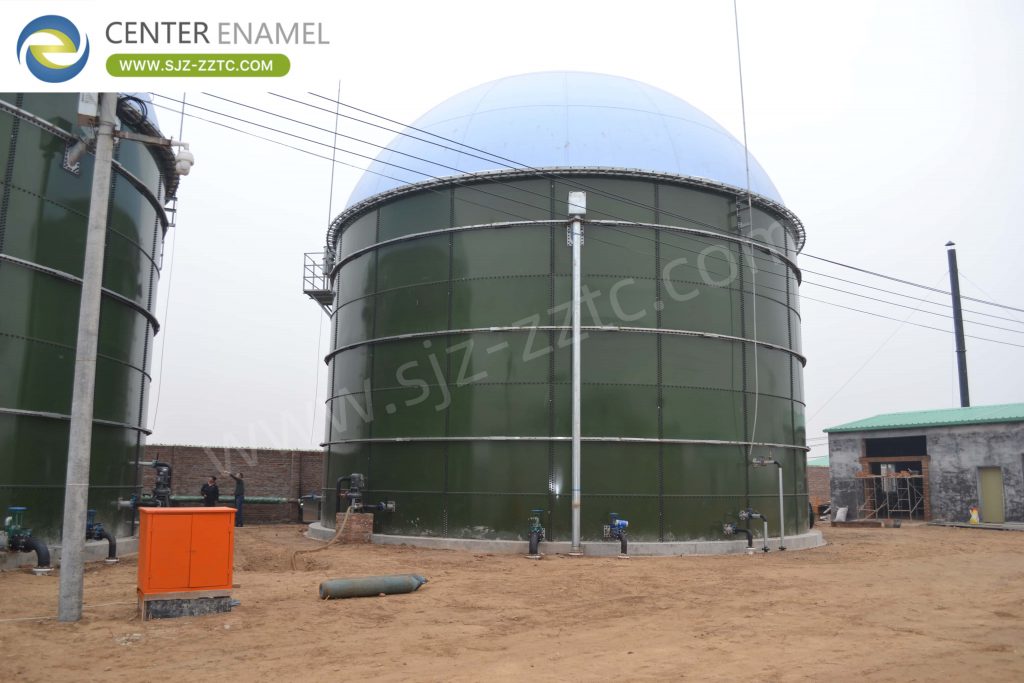
These systems are increasingly recognized as a valuable approach to sanitation that delivers multiple benefits: treating human and animal waste, producing renewable energy for cooking or electricity, and generating nutrient-rich digestate that can be used as fertilizer . This guide explores how biogas septic tank systems work, their key components, and the advantages of using GFS Tanks in these applications.
How a Biogas Septic Tank System Works
A biogas septic tank operates on the principle of anaerobic digestion. Wastewater and organic matter enter the sealed tank, where naturally occurring bacteria break down the material in the absence of oxygen. The system relies on several critical design features to function properly.
Key Operational Principles
Anaerobic Environment: The tank must be gas-tight to prevent oxygen from entering. The design ensures that the fermentation process remains in an anaerobic state throughout, which is essential for methane production .
Gravity-Driven Flow: Wastewater enters through an inlet pipe and flows through multiple chambers by gravity, with minimal energy input. The outlet is positioned higher than the inlet to prevent backflow and maintain liquid levels .
Extended Retention Time: Systems typically incorporate multiple fermentation chambers (often three stages) to allow sufficient time for bacteria to break down organic matter thoroughly. This staged approach extends fermentation time, ensuring effective treatment and biogas production .
Gas Collection: Vents at the top of each chamber capture the biogas produced during the digestion process .
Feedstock Suitability
Biogas septic tank systems can process various organic waste types, including human sewage, animal manure, food processing waste, and slaughterhouse wastewater . The high organic content of these materials makes them excellent feedstocks for biogas production.
Key Components of a Biogas Septic Tank System
A modern biogas septic tank system comprises several essential components working in concert:
Primary Fermentation Tank
This is the main vessel where anaerobic digestion occurs. The tank must be:
Gas-tight to maintain anaerobic conditions
Corrosion-resistant to withstand acidic environments
Durable for long-term service
Multiple Chambers
Systems typically feature two or three fermentation chambers connected in series, with each chamber providing additional treatment and digestion time . The chamber design ensures that wastewater flows progressively through each stage, maximizing organic matter breakdown.
Inlet and Outlet Piping
Inlet pipe: Often includes a siphon or S-shaped elbow to trap water and prevent air from entering the tank
Outlet pipe: Positioned at a higher level than the inlet to prevent backflow
Gas Collection System
Venting ports on each fermentation chamber allow biogas to be collected and directed to storage or direct use .
Waste Clean-Out Ports
Located at the bottom of each chamber, these allow for periodic removal of accumulated sludge and biogas residue, which can be used as agricultural fertilizer .
The Advantages of Biogas Septic Tank Systems
Implementing a biogas septic tank system offers significant benefits:
| Benefit Category | Specific Advantages |
| Environmental | Reduces river contamination, odor spread, and greenhouse gas emissions; prevents uncontrolled methane release to the atmosphere |
| Energy | Produces renewable biogas for cooking, heating, or electricity generation; reduces reliance on firewood and fossil fuels |
| Agricultural | Digestate can be processed into organic fertilizer, reducing chemical fertilizer use and improving soil quality |
| Economic | Lowers energy costs; creates local jobs; generates potential revenue streams from energy and fertilizer sales |
| Sanitation | Provides effective wastewater treatment; protects public health by managing human and animal waste safely |
GFS Tanks: The Preferred Solution for Biogas Projects
Glass-Fused-to-Steel (GFS) Tanks have emerged as the industry standard for biogas digester applications. The technology involves fusing glass enamel to steel at temperatures exceeding 800°C, creating a highly durable and corrosion-resistant finish .
Why GFS Tanks Are Ideal for Biogas Applications
Superior Corrosion Resistance
The glass coating provides outstanding protection against the acidic and chemically aggressive environment found in anaerobic digesters. The enamel resists pH levels from 1 to 14, making it suitable for even the most challenging organic waste streams .
Long Service Life
GFS tanks are designed for a service life exceeding 30 years, offering exceptional longevity compared to concrete or conventional steel alternatives . The inert glass surface prevents biofilm buildup and reduces cleaning requirements .
Rapid Installation
The modular bolted design eliminates the need for on-site welding or extended concrete curing. A typical 3,000m³ to 5,000m³ GFS tank can be erected in just 2-3 weeks by a trained local crew . This rapid installation capability significantly reduces labor costs and project timelines .
Ease of Transport and Assembly
GFS tanks are delivered as prefabricated panels and assembled on-site using high-strength bolts. This allows installation in remote locations where heavy construction equipment may be limited .
Flexibility
The modular design allows for easy expansion, dismantling, and relocation of tanks as project needs evolve .
GFS Tanks in Biogas Project Applications
GFS tanks serve multiple roles in biogas and wastewater treatment facilities:
Anaerobic Digesters (CSTR, UASB, USR, IC Process)
GFS tanks function as the primary digestion vessel for various anaerobic technologies:
CSTR (Completely Stirred Tank Reactor): Suitable for high-solid manure from large pig farms. Mechanical stirring maintains stable fermentation and continuous biogas output .
UASB (Upflow Anaerobic Sludge Blanket): Wastewater flows upward through granular sludge to efficiently degrade organic pollutants .
USR (Upflow Solid Reactor): Optimized for high-concentration manure with high suspended solids, ideal for smaller rural farms .
Biogas Storage
Double Membrane Roofs are commonly installed atop GFS tanks to serve as integrated gas holders. This design eliminates the need for separate ground-mounted storage, saving space, reducing costs, and simplifying site layout .
Sludge Storage and Wastewater Regulation
Supporting equipment includes FBE (Fusion-Bonded Epoxy) tanks for wastewater regulation and storage, ensuring complete turnkey systems .
Industry Applications and Case Studies
Biogas septic tank systems with GFS tanks are deployed across diverse sectors globally:
| Application Sector | Typical Feedstock | Key Benefits |
| Pig Farms (India) | Pig manure | Solves pollution; supplies clean energy; produces fertilizer |
| Slaughterhouses (Egypt) | Blood, fats, offal | Handles high organic loads; reduces disposal costs |
| Municipal Wastewater | Sewage sludge | Generates "green" renewable energy; treats waste effectively |
| Food Processing | Restaurant/food waste | Diverts waste from landfills; co-digestion potential |
Real-World Example: India Pig Farm Biogas Project
In India's growing pig farming industry, GFS tanks have become essential for manure management and energy recovery. The tanks' corrosion resistance, adaptability to tropical climates, and fast installation make them ideal for rural pig farms of all scales .
Real-World Example: Egypt Slaughterhouse Wastewater Treatment
A project in Egypt uses GFS tanks with Double Membrane Roofs to treat slaughterhouse wastewater. The complete-mixing action ensures maximum contact between bacteria and organic matter, leading to higher degradation rates and greater biogas yields .
Conclusion
A biogas septic tank system represents a smart integration of waste management and renewable energy production. By capturing methane that would otherwise escape into the atmosphere, these systems reduce greenhouse gas emissions while providing a valuable energy source.
The choice of tank technology is critical to the success of any biogas project. Glass-Fused-to-Steel (GFS) Tanks offer unmatched durability, corrosion resistance, and installation speed. Their ability to withstand harsh digester environments for decades, combined with modular construction that simplifies logistics, makes them the preferred solution for biogas applications worldwide.
Whether you are managing agricultural waste, treating municipal sewage, or processing industrial organic byproducts, GFS tank-based biogas septic tank systems provide a proven, cost-effective path to sustainable waste management and clean energy production.
FAQ: Frequently Asked Questions
1. Can a biogas septic tank system replace a traditional septic tank?
Yes, a biogas septic tank provides the same core wastewater treatment function as a traditional septic tank while offering the added benefit of biogas production. However, biogas systems require specific design features, such as gas-tight construction and multiple fermentation chambers, to ensure anaerobic conditions and methane capture .
2. Is the digestate from a biogas septic tank safe to use as fertilizer?
Yes, the residue (digestate) from anaerobic digestion can be processed into a nutrient-rich organic fertilizer. It retains valuable nutrients like nitrogen and phosphorus while having reduced pathogens due to the digestion process. However, proper handling and, in some cases, further treatment or composting may be recommended before agricultural application .
3. How long does it take to install a GFS tank for a biogas project?
GFS tanks are designed for rapid installation. A typical biogas digester tank with a capacity of 3,000m³ to 5,000m³ can be erected in just 2 to 3 weeks by a trained local crew . The modular bolted design eliminates on-site welding and concrete curing, significantly reducing project timelines compared to traditional construction methods .