
What Is a Biological Filter? A Complete Guide to Biofiltration in Wastewater Treatment
A biological filter is one of the oldest and most dependable tools in the wastewater treatment toolkit. Despite the name, it does not “filter” in the mechanical sense of straining solids through a fine mesh. Instead, it relies on a living community of microorganisms-bacteria, fungi, protozoa, and higher organisms-that attach to a bed of media and biologically degrade dissolved and fine particulate pollutants as wastewater passes through. This article explains what biological filters are, how they function, where they are applied in wastewater treatment, and what distinguishes the main configurations used today.
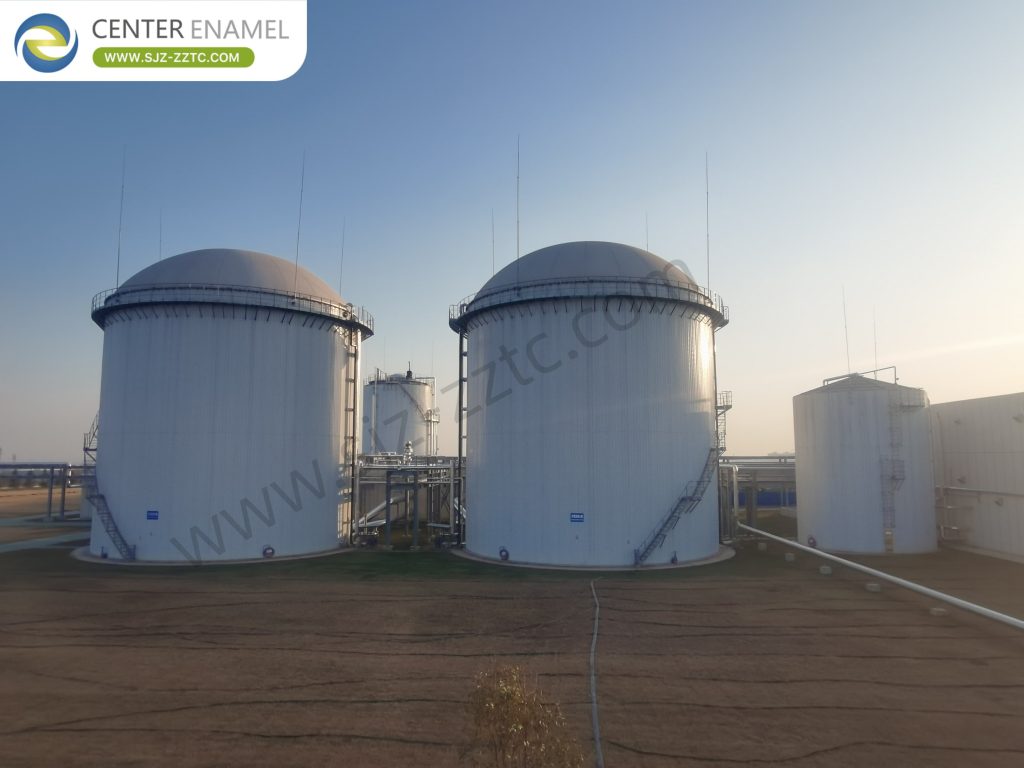
What Is a Biological Filter?
A biological filter, often called a biofilter, is an attached-growth biological treatment system in which microorganisms grow as a biofilm on the surface of a solid support medium . Wastewater flows over or through this medium, and the biofilm absorbs and oxidizes organic matter and other contaminants. The support medium may be natural-crushed rock, gravel, sand, peat, or compost-or synthetic, such as plastic packing, ceramic balls, or geotextile materials .
The key distinction between a biological filter and a conventional granular filter is purpose. A sand filter primarily removes suspended solids through physical straining. A biological filter is designed to provide a habitat for microorganisms that metabolize pollutants. The medium is selected for surface area and porosity rather than fine pore size, because the treatment mechanism is biological rather than physical . In practice, biological filters also capture some suspended solids, but their performance is judged primarily by biochemical oxygen demand (BOD) removal and ammonia oxidation.
How Biological Filters Work: The Biofilm Mechanism
The operating principle of every biological filter is the biofilm. As wastewater contacts the medium, microorganisms colonize the surface and secrete extracellular polymeric substances that hold the community together. This slime layer adsorbs dissolved organic compounds and fine suspended matter from the passing water. Oxygen, supplied by natural ventilation or forced aeration, diffuses into the biofilm and supports aerobic oxidation .
The biofilm is a dynamic ecosystem, not a monoculture. In a trickling filter, the microbial community includes bacteria, fungi, protozoa, rotifers, nematodes, annelid worms, snails, and insect larvae . Protozoa graze on bacteria, keeping the bacterial population in an active growth phase and thereby maintaining high decomposition rates. Fungi tend to dominate at lower pH values, which is often relevant in industrial wastewater treatment. Algae may also contribute oxygen during daylight hours in open filters .
Over time, biomass accumulates and portions of the biofilm slough off. This sloughed biomass must be separated from the treated effluent in a downstream clarifier, otherwise it contributes to effluent suspended solids . This is why biological filters are almost always followed by a settling step in a complete treatment train.
Trickling Filters: The Classic Biological Filter
The trickling filter is the most widely recognized type of biological filter and has been in use for over fifty years . In its conventional form, settled wastewater is distributed over the top of a packed bed of media-historically crushed rock, and in modern installations, engineered plastic media with high specific surface area. The wastewater trickles downward through the bed, contacting the biofilm, and is collected at the bottom. Air circulates upward through the bed via vents at the base, supplying oxygen to the aerobic biofilm .
Trickling filters are classified by loading rate. Low-rate filters support a diverse, mature biofilm with a high nitrifier population, and can achieve substantial nitrification alongside BOD removal. High-rate filters operate at higher hydraulic and organic loading, which increases fluid shear and causes more frequent sloughing of biomass; as a result, nitrification is limited or absent in high-rate operation . A typical trickling filter treating sewage uses approximately 0.22 kWh of energy per kilogram of COD removed, making it an energy-efficient option compared with activated sludge .
| Trickling Filter Type | Organic Loading | BOD Removal | Nitrification | Typical Effluent Quality |
| Low-rate | Low | 80–90% | Substantial | BOD and TSS 15–30 mg/L; NH₄⁺-N <3 mg/L possible with combined treatment |
| High-rate | High | 75–90% | Limited or absent | BOD removal effective; ammonia largely untreated |
| Roughing | Very high | Partial | None | Used as pretreatment ahead of activated sludge |
Other Biological Filter Configurations
Beyond the trickling filter, several other biological filter designs are used in wastewater treatment. Aerated biological filters (also called submerged aerated filters) contain media that is submerged in wastewater, with air injected to maintain aerobic conditions. These systems are more compact than trickling filters and can achieve both carbon oxidation and nitrification in a smaller footprint .
Recirculating biofilters are used for decentralized sewage treatment. In these systems, effluent is recirculated through the filter bed to improve contact between pollutants and biofilm. Research has examined alternative media such as ceramsite, which offers low cost, well-developed porosity, and stable structure as a replacement for conventional sand media .
Membrane bioreactors are sometimes grouped under the biofiltration umbrella because they combine biological treatment with membrane separation. However, the separation mechanism is physical rather than biofilm-based, and their energy and maintenance profiles differ substantially from fixed-film filters . For the purposes of this guide, the focus remains on attached-growth biofilm systems where the filter medium itself hosts the treatment biology.
Biological Filters in Wastewater Treatment: Applications and Performance
Biological filters serve several distinct roles in wastewater treatment plants. The most common is secondary treatment for carbonaceous BOD removal following primary sedimentation. A trickling filter in this role can produce effluent with BOD and total suspended solids in the range of 15–30 mg/L . When nitrification is required, a low-rate trickling filter or a separate nitrification stage can oxidize ammonia to nitrate, with effluent ammonia concentrations below 3 mg NH₄⁺-N per liter achievable in combined carbon oxidation and nitrification mode .
Biological filters are also used in tertiary nitrification, where they receive effluent that has already undergone carbon removal and are optimized specifically for ammonia oxidation. In industrial wastewater treatment, biofilters can handle a range of contaminants including aliphatic and aromatic hydrocarbons, amines, alcohols, aldehydes, and ketones, depending on the microbial community established on the media . The technology is valued for its simple operation, robust response to loading variations, and low energy requirement compared with suspended-growth systems .
| Application | Biological Filter Role | Key Target | Typical Configuration |
| Municipal secondary treatment | Carbon oxidation | BOD, TSS | Trickling filter + clarifier |
| Ammonia-sensitive discharge | Combined carbon oxidation and nitrification | BOD, NH₄⁺ | Low-rate trickling filter |
| Tertiary treatment | Separate-stage nitrification | NH₄⁺ | Nitrifying trickling filter |
| Decentralized/onsite | Secondary treatment | BOD, TSS, NH₄⁺ | Recirculating biofilter with ceramsite or sand |
| Industrial pretreatment | Roughing or polishing | Specific organics | High-rate trickling filter |
Design and Operational Factors That Affect Performance
The efficiency of a biological filter depends on both design parameters and operating conditions. Media selection is fundamental: surface area per unit volume determines the space available for biofilm growth, while porosity and pore structure affect airflow and hydraulic throughput. Media depth influences contact time and treatment extent. Hydraulic loading rate and organic loading rate must be balanced against the biofilm’s capacity to metabolize pollutants; excessive loading leads to incomplete treatment and excessive sloughing, while insufficient loading can starve the biomass .
Temperature affects microbial reaction rates, and cold climates can reduce nitrification performance in exposed trickling filters. Aeration is critical for aerobic filters: natural ventilation through the bed may be sufficient in trickling filters, but submerged aerated filters require blowers and diffusers. For nitrifying filters, the population of nitrifying bacteria is sensitive to pH, alkalinity, and dissolved oxygen, and these parameters must be managed to sustain ammonia oxidation .
Advantages and Limitations of Biological Filtration
The advantages of biological filters are well established. They are simple to operate, require relatively low energy, and tolerate shock loads and intermittent operation better than activated sludge systems in many cases . The fixed biofilm provides a stable microbial population that is not easily washed out, and the systems produce less excess sludge than high-rate suspended-growth processes. Trickling filters in particular have a long track record and a low operational complexity that suits small and medium-sized communities.
The limitations are equally important to recognize. Biological filters occupy more land than compact activated sludge or membrane systems, particularly conventional rock-media trickling filters. Effluent quality can be affected by biofilm sloughing, requiring reliable downstream solids separation. Odor can be an issue if the filter becomes anaerobic or if H₂S is present in the influent. Cold weather can impair nitrification, and freezing can affect rotating distributors in exposed trickling filters . Biofilter media can also become clogged over time-a phenomenon known as bioclogging-though this can be managed through backwashing or media replacement .
FAQ
What is the difference between a biological filter and an activated sludge system?
A biological filter is an attached-growth process, meaning microorganisms grow as a biofilm on a fixed medium. An activated sludge system is a suspended-growth process, where microorganisms form flocs that are mixed with wastewater and then separated in a clarifier. Biological filters generally require less energy and are simpler to operate, while activated sludge offers more precise process control and higher treatment intensity per unit volume.
Do biological filters remove ammonia from wastewater?
Yes, under the right conditions. Nitrifying bacteria-primarily Nitrosomonas and Nitrobacter-colonize the biofilm and oxidize ammonia to nitrite and then nitrate. Low-rate trickling filters and dedicated nitrification filters are designed specifically for this purpose. High-rate filters generally do not achieve significant nitrification because rapid biofilm sloughing removes slow-growing nitrifiers .
How often does biological filter media need to be replaced?
Media life depends on the material and operating conditions. Plastic trickling filter media can last for decades. Sand and granular media in recirculating biofilters may require periodic replacement or backwashing if clogging occurs. The biofilm itself is continuously renewed through sloughing and regrowth; the medium is replaced only when it degrades physically or becomes irreversibly clogged.
Discover how the right biological filtration solution can improve your treatment performance while reducing energy costs. Contact our team to discuss your project requirements and find the configuration that fits your site.