
What is a CBG Plant? A Complete Guide to Compressed Biogas Production and Green Energy
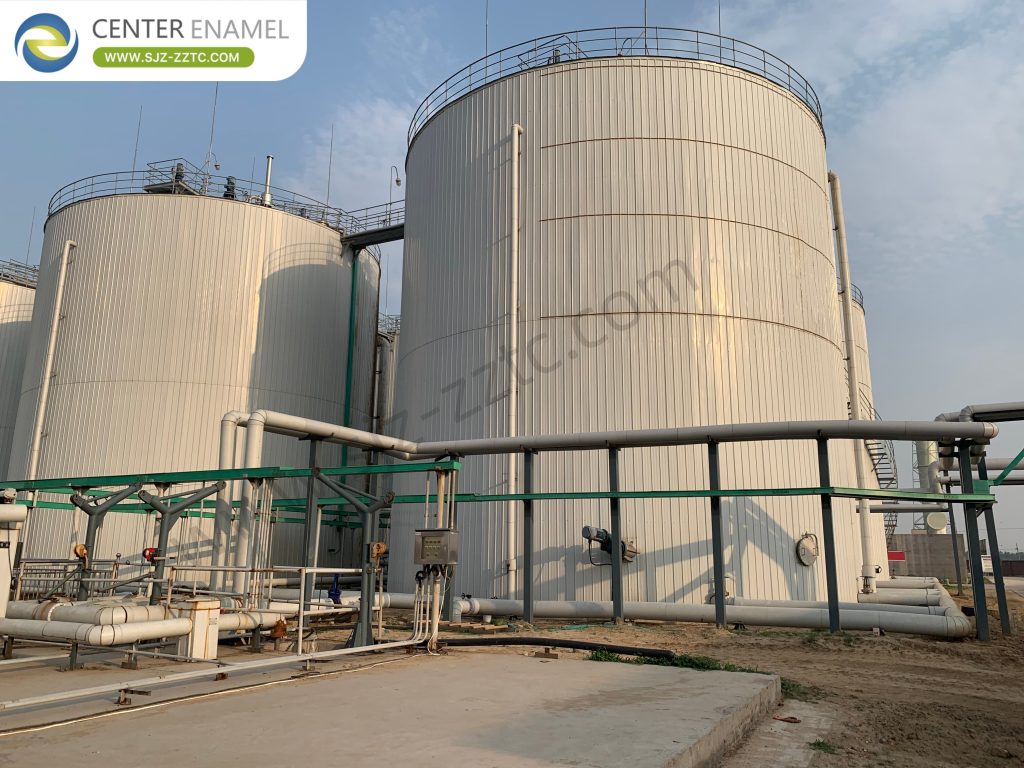
As the global push toward sustainable energy and net-zero carbon emissions accelerates, alternative fuels have taken center stage. Among these, Compressed Biogas (CBG) has emerged as one of the most promising solutions for replacing fossil fuels. But what exactly is a CBG plant, and how does it turn everyday organic waste into high-grade vehicular and industrial fuel?
This comprehensive guide explores the definition, working mechanism, benefits, and industrial implementation of CBG plants, alongside premier solutions offered by industry leaders.
What is a Compressed Biogas (CBG) Plant?
A Compressed Biogas (CBG) plant is an industrial facility engineered to convert raw biodegradable organic waste into a high-purity, sustainable substitute for compressed natural gas (CNG).
Unlike traditional small-scale biogas units used primarily for rural cooking, an industrial-grade CBG manufacturing plant processes massive volumes of organic matter-such as agricultural residues, livestock manure, municipal solid waste, and food processing effluents. Through advanced biochemical conversion and high-pressure gas technology, it purifies and compresses raw biogas into a standardized fuel containing over 90% pure methane.
The Core Working Process of a CBG Biogas Plant
The transformation of waste into clean energy inside a CBG plant involves a multi-stage systematic process:
Feedstock Collection and Pre-treatment: Organic materials are sorted, shredded, and mixed with water to create a uniform slurry.
Anaerobic Digestion: The slurry is pumped into sealed, temperature-controlled anaerobic digesters. In the absence of oxygen, specialized microorganisms break down the organic compounds, generating raw biogas (a mix of methane and carbon dioxide) and nutrient-rich digestate.
Purification and Upgrading: Raw biogas contains impurities like hydrogen sulfide (H2S), moisture, and carbon dioxide (CO2). Technologies such as Pressure Swing Adsorption (PSA) or membrane separation scrub these impurities to elevate methane purity above 95%.
Compression and Storage: The purified biomethane is compressed using high-pressure compressors to match standard automotive and industrial distribution pressures, ready to be stored in cascades or cylinders.
Key Feedstock Sources Utilized in CBG Plants
The versatility of a CBG plant lies in its capability to process a wide array of organic waste streams, turning potential environmental hazards into valuable economic assets:
Agricultural Residues: Paddy straw, crop stubble, sugarcane press mud, and bagasse.
Animal Waste: Cattle dung, poultry litter, and piggery manure.
Municipal Solid Waste (MSW): Biodegradable household waste, kitchen waste from hotels and canteens, and sewage treatment plant sludge.
Industrial Organic Effluents: Wastewater and organic byproducts from food, beverage, and paper manufacturing plants.
Major Systems and Equipment Inside a CBG Manufacturing Plant
A fully operational, high-efficiency CBG facility integrates several critical engineering systems to ensure continuous performance:
Feedstock Handling & Homogenization Unit: Includes grinders, pulpers, and pre-treatment tanks to prepare smooth feeding material.
Anaerobic Digestion System: Heavy-duty reactors (often utilizing bolted steel or concrete tanks) equipped with heating jackets and mixing mechanisms.
Biogas Desulfurization and Scrubbing System: Removes corrosive gases and moisture to protect downstream equipment.
Gas Compression and Dispensing Station: High-pressure compressors, storage cascades, and priority panels for cylinder filling or grid injection.
Environmental and Economic Advantages of CBG Plants
Investing in a CBG plant delivers multi-fold benefits for national economies, local communities, and private investors:
Decarbonization and Emission Reduction: Utilising CBG reduces greenhouse gas emissions by up to 90% compared to conventional diesel, actively mitigating global warming.
Effective Waste Management: Prevents open dumping and uncontrolled methane release from rotting organic waste.
Circular Economy Contribution: The byproduct of digestion (digestate) is an exceptional organic bio-fertilizer that replaces synthetic chemical fertilizers in farming.
Energy Independence: Creates localized green fuel sources, lowering reliance on imported fossil natural gas and crude oil.
Industrial Applications of Compressed Biogas (CBG)
Because its chemical composition and calorific value closely mirror conventional natural gas, CBG is an exceptionally versatile drop-in fuel:
Transportation Fuel: Directly used as a green alternative to CNG in commercial fleets, buses, trucks, and passenger cars without engine modifications.
Industrial Thermal Energy: Employed in boilers, furnaces, and manufacturing processes as a clean substitute for coal and furnace oil.
Gas Grid Injection: Piped directly into city gas distribution networks for residential cooking and commercial heating.
Center Enamel: Your Professional Biogas Solution Supplier
When planning, designing, and constructing a high-performance CBG or anaerobic digestion plant, choosing the right engineering partner is critical. Center Enamel stands out globally as a premier, professional biogas solutions supplier and tank manufacturer.
With decades of industry expertise, Center Enamel specializes in providing top-tier Glass-Fused-to-Steel (GFS) tanks, fusion-bonded epoxy tanks, and comprehensive modular anaerobic reactor systems. Their robust engineering capabilities cover everything from core digestion unit fabrication to full-scale wastewater and biogas treatment integration. By combining advanced material durability, corrosion resistance, and turnkey project execution, Center Enamel empowers global clients to build reliable, high-yield, and cost-effective CBG plants tailored to strict international standards.
Frequently Asked Questions (FAQ)
Q1: What is the difference between raw biogas and CBG?
A: Raw biogas is the gas directly produced from anaerobic digesters, typically consisting of 55% to 65% methane, 35% to 45% carbon dioxide, and trace amounts of hydrogen sulfide and water vapor. Compressed Biogas (CBG) is this raw biogas that has undergone rigorous purification and scrubbing to remove impurities, raising the methane concentration above 90%, and is then compressed to high pressures for use as vehicle or grid fuel.
Q2: Can any organic waste be used in a CBG plant?
A: Most biodegradable organic wastes rich in carbohydrates, proteins, and lipids can be used. This includes agricultural stubble, animal manure, food waste, and sewage sludge. However, materials containing heavy metals, high toxicity, or excessive plastics must be pre-filtered or avoided, as they can inhibit the biological activity of the anaerobic microbes in the digester.
Q3: Why are Glass-Fused-to-Steel (GFS) tanks widely preferred in biogas and CBG plants?
A: GFS tanks combine the strength and flexibility of steel with the superior corrosion resistance of glass. In biogas and CBG facilities, the environment inside anaerobic digesters and storage systems is highly corrosive due to moisture and hydrogen sulfide. GFS tanks offer a long operational lifespan, quick on-site installation, low maintenance costs, and an aesthetically superior finish, making them the gold standard for modern containment systems provided by industry leaders like Center Enamel.