
What is a Dairy Farm Biogas Plant? Turning Manure into Renewable Energy
Intensive dairy farming operations generate significant volumes of liquid and solid manure daily. Traditionally stored in open-air lagoons or ponds, this organic waste releases large amounts of fugitive methane—a powerful greenhouse gas.
A dairy farm biogas plant is a specialized agricultural bioenergy facility designed to capture this waste stream and process it through controlled anaerobic digestion (AD). By utilizing specialized microbial communities inside sealed bioreactors, these facilities convert dairy manure and organic co-substrates into combustible biogas (methane and carbon dioxide) and a nutrient-rich organic bio-fertilizer known as digestate.
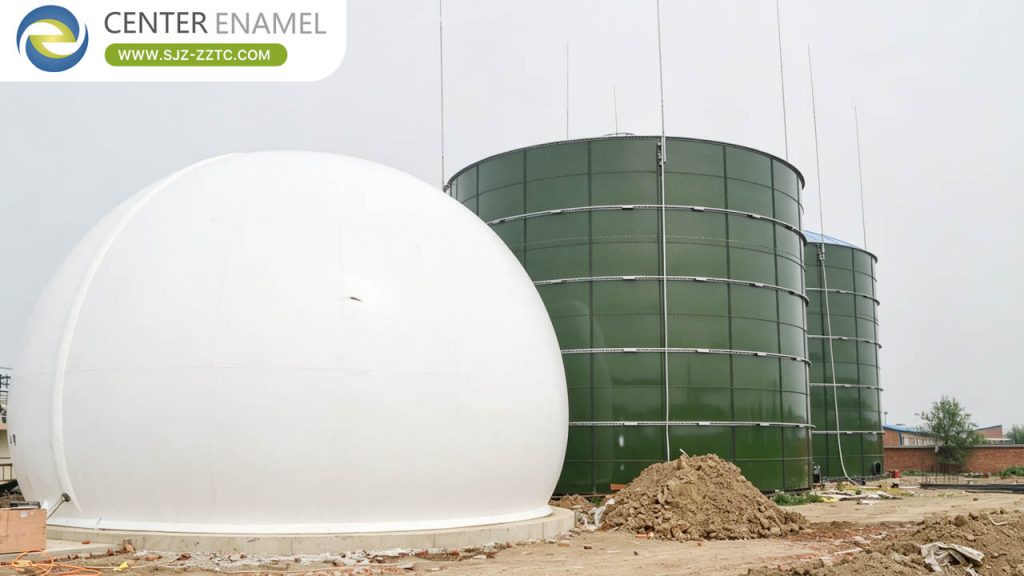
Core Components of a Dairy Farm Biogas System
A commercial dairy biogas installation integrates several vital engineering stages and equipment units:
- Manure Collection & Handling Systems: Mechanisms (such as scrape or flush systems) that consistently gather fresh cow manure from barns and milking parlors.
- Anaerobic Digester Tanks: Sealed, airtight bioreactors—frequently configured as plug flow, complete mix, or covered lagoons—where heating and mixing optimize microbial activity.
- Gas Storage Holders: Integrated double-membrane roofs or external gas holders designed to safely store raw biogas before utilization.
- Upgrading & Utilization Equipment: Combined Heat and Power (CHP) engines for on-site electricity and thermal generation, or advanced gas upgrading skids (membrane or pressure swing adsorption) to refine biomethane for pipeline injection or vehicle fueling (Renewable Natural Gas / RNG).
- Digestate Separation Units: Screw presses and storage tanks that separate the residual material into clean liquid and solid nutrient fractions.
How the Dairy Biogas Process Works
- Feedstock Collection & Blending: Fresh dairy manure is collected daily. To boost gas yields, many modern plants use co-digestion, blending manure with high-strength organic wastes like cheese-processing whey or commercial food waste.
- Anaerobic Digestion: The organic slurry enters the heated digester (typically maintained at mesophilic temperatures around 37°C–38°C). Over a retention period, bacteria break down complex organics through hydrolysis, acidogenesis, acetogenesis, and methanogenesis.
- Biogas Extraction & Desulfurization: Raw biogas is drawn off the top, dewatered, and stripped of corrosive hydrogen sulfide.
- Energy Generation or Upgrading: The gas is either combusted to power the dairy farm and creamery or upgraded into Renewable Natural Gas (RNG) to capture valuable low-carbon fuel credits.
- Nutrient Recycling: The remaining digestate is applied back to farm feed crops as an eco-friendly fertilizer replacement, optimizing soil health.
Comparative Data Table: Conventional Manure Storage vs. Dairy Biogas Plant
| Operational Parameter | Traditional Open Lagoon Storage | Modern Dairy Farm Biogas Plant |
| Methane Emissions | High fugitive release into the atmosphere | Total containment and clean destruction |
| Energy Recovery | None (wasted energy potential) | Continuous baseload electricity, heat, or RNG |
| Odor & Pest Management | Severe odor issues; attracts flies and vectors | Highly suppressed odors through closed processing |
| Fertilizer Quality | Raw, unpasteurized nutrients with weed seeds | Homogenized, pathogen-reduced, bio-available digestate |
Frequently Asked Questions (FAQ)
Q1: What is the primary function of a dairy farm biogas plant?
A: A dairy farm biogas plant captures cow manure and organic waste, processing it through anaerobic digestion to prevent fugitive methane emissions while producing renewable energy (electricity, heat, or biomethane) and organic fertilizer.
Q2: Can dairy manure be co-digested with other waste streams?
A: Yes. Many dairy biogas facilities practice co-digestion by blending cow manure with high-energy industrial organic wastes, such as cheese whey, food processing wastewater, or commercial food scraps, which significantly boosts methane production and creates extra revenue via tipping fees.
Q3: How is the biogas generated on a dairy farm utilized?
A: Historically, biogas was burned locally in Combined Heat and Power (CHP) engines to generate electricity and hot water. Today, market trends increasingly favor upgrading the raw biogas into pipeline-grade Renewable Natural Gas (RNG) to sell into lucrative transport fuel markets.