
What Is a Fixed Dome Digester? Definition, Structure, and Working Principle
In the field of renewable energy and organic waste management, selecting the right reactor architecture is vital for efficient biogas production. Among traditional and modern designs, the fixed dome digester stands out as one of the most durable, cost-effective, and long-lasting underground anaerobic bioreactors utilized worldwide.
Understanding what a fixed dome digester is, how its structural components interact, and its underlying fluid dynamics is essential for engineers, agricultural planners, and sustainability advocates.
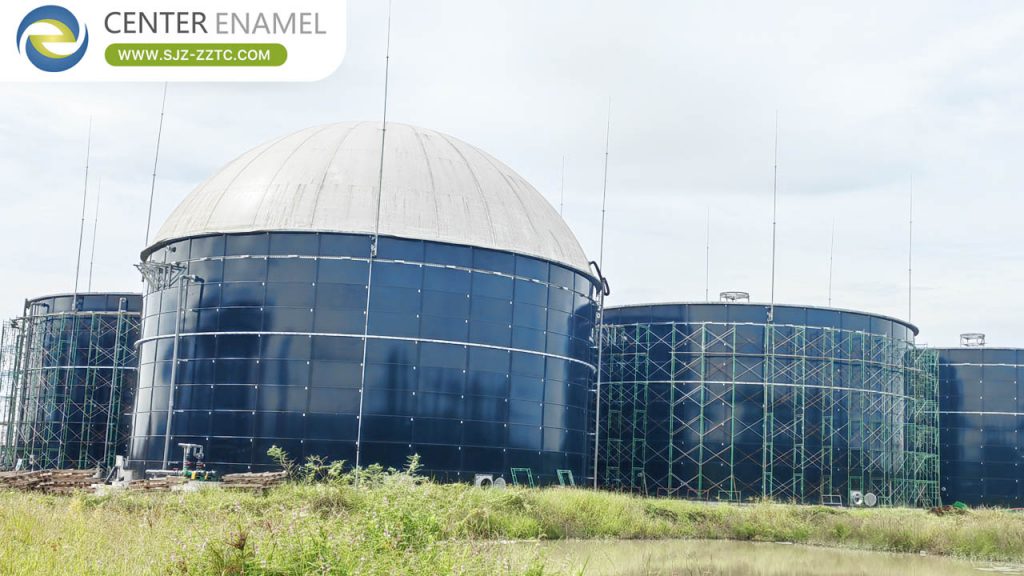
Definition: What Is a Fixed Dome Digester?
A fixed dome digester is a completely underground, sealed masonry, brick, or concrete structure designed to facilitate the anaerobic digestion of organic waste (such as animal manure and food scraps) in the absence of free oxygen.
The defining characteristic of this system is its stationary, non-movable gas storage dome built directly into the top of the reactor vessel. Unlike systems with flexible or floating gasholders, a fixed dome digester relies on internal gas pressure and liquid displacement to store and manage generated biogas.
Core Structural Components of a Fixed Dome Digester
A standard fixed dome digester system comprises three interconnected structural zones:
- The Subterranean Digester Pit (Fermentation Chamber): The primary underground basin where bacteria break down organic feedstocks and generate biogas.
- The Fixed Gas Dome: An arched, rigid roof sealed tightly over the digester chamber. As gas is produced, it accumulates in this fixed upper cavity.
- The Expansion Chamber (Displacement Tank): An adjoining open reservoir linked to the lower outlet pipe of the digester, engineered to absorb displaced liquid slurry when internal gas pressure rises.
Working Principle: How a Fixed Dome Digester Operates
The operation of a fixed dome digester is governed by simple physical and biological principles:
- Anaerobic Breakdown: Microorganisms digest organic material inside the sealed underground chamber, producing a mixture of methane (CH4) and carbon dioxide (CO2).
- Pressure Accumulation: Because the gas dome is rigid and stationary, the newly generated biogas cannot expand outward. As more gas collects, internal pressure within the headspace increases.
- Liquid Displacement: The rising gas pressure pushes down on the surface of the liquid slurry inside the digester, forcing excess liquid to travel upward through the discharge pipe and into the external expansion chamber.
- Gas Extraction: When a valve is opened for cooking or energy generation, internal pressure drops, allowing the displaced slurry to flow back into the main digester chamber automatically.
Comparative Data Table: Fixed Dome Digester vs. Other Configurations
| Reactor Parameter | Fixed Dome Digester | Floating Drum Digester | CSTR (Continuous Stirred Tank) |
| Construction Structure | Underground masonry / concrete | Underground pit + steel/fiberglass drum | Glass-Fused-to-Steel (GFS) above-ground tank |
| Moving Parts | Zero moving parts | Movable gasholder drum | Internal mechanical mixers / agitators |
| Gas Pressure Dynamics | Variable pressure (fluctuates with volume) | Constant operating pressure | Constant pressure via external gasholder |
| Thermal Insulation | High (fully subterranean) | Moderate (surface-exposed drum) | High (regulated via internal heating coils) |
| Expected Lifespan | 20 to 30+ years | 10 to 15 years (vulnerable to corrosion) | 30+ years (industrial-grade engineering) |
Frequently Asked Questions (FAQ)
Q1: What happens to the internal pressure when a fixed dome digester produces too much gas?
A: Because the gas dome is stationary, excess gas production causes internal pressure to rise. This pressure automatically pushes liquid slurry out of the digester and into an adjoining expansion chamber, safely balancing the system without requiring mechanical pressure-release valves.
Q2: Why are fixed dome digesters considered more durable than floating drum systems?
A: Fixed dome digesters feature rigid underground masonry construction with zero moving parts, protecting them from mechanical wear and tear. In contrast, traditional floating drum systems use movable steel drums that are highly susceptible to corrosion from hydrogen sulfide (H2S) and moisture.
Q3: How do underground fixed dome digesters maintain stable temperatures?
A: Being built entirely underground provides natural thermal insulation from surrounding soil. This subterranean placement shields the biological digestion process from sudden surface weather changes, helping maintain a stable internal temperature profile.