
What Is a Major Advantage of Anaerobic Wastewater Treatment?
Anaerobic wastewater treatment has become one of the most important technologies in modern environmental engineering. But what makes it so valuable? The answer lies in one major advantage: energy recovery. Unlike aerobic treatment, which consumes large amounts of electricity for aeration, anaerobic treatment produces biogas-a renewable energy source-while simultaneously treating wastewater.
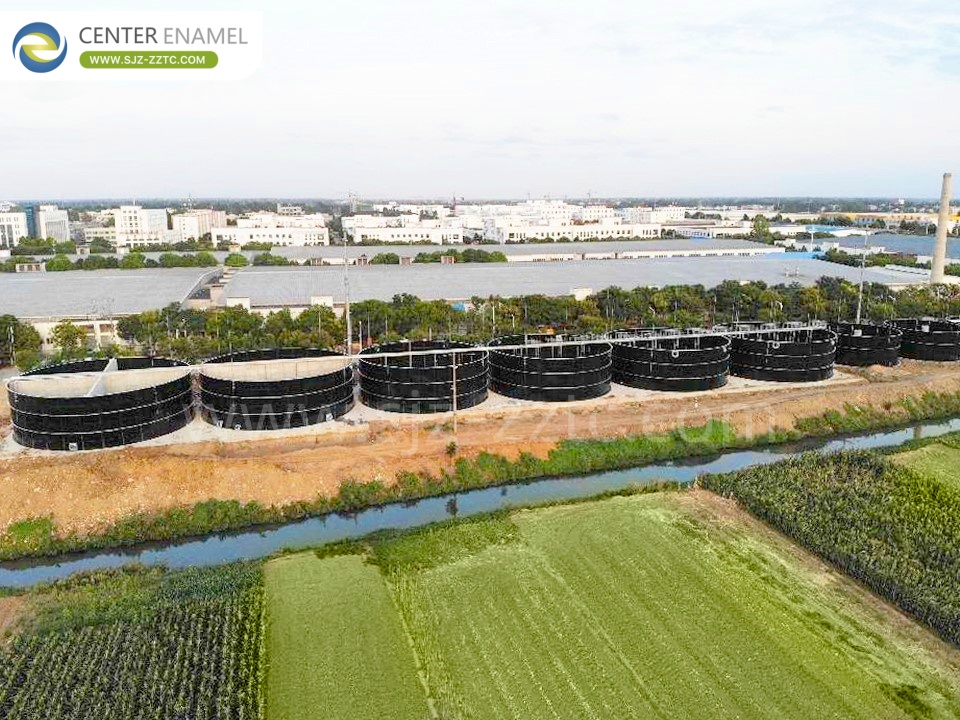
This single advantage has transformed anaerobic treatment from a niche solution into a mainstream technology for industries and municipalities alike. In this article, we explore why energy recovery matters, how it works, and what other benefits follow from this core advantage.
Understanding Anaerobic Wastewater Treatment
Anaerobic wastewater treatment is a biological process in which microorganisms break down organic pollutants in the absence of oxygen. This contrasts with aerobic treatment, which requires oxygen to be continuously supplied through blowers and diffusers.
In anaerobic systems, bacteria and archaea work together in a multi-stage process:
Hydrolysis – Complex organic matter is broken into simpler compounds.
Acidogenesis – These compounds are converted into volatile fatty acids.
Acetogenesis – Intermediates become acetic acid, hydrogen, and carbon dioxide.
Methanogenesis – Methane-producing archaea generate biogas.
The result is a treated effluent and a methane-rich biogas that can be captured and used as fuel.
The Major Advantage: Energy Recovery Through Biogas
The standout advantage of anaerobic wastewater treatment is its ability to produce energy rather than consume it. While aerobic systems are net energy consumers, anaerobic systems can be net energy producers.
Biogas typically contains:
55–70% methane (CH₄)
30–45% carbon dioxide (CO₂)
Trace amounts of hydrogen sulfide, water vapor, and other gases
This biogas can be used in multiple ways:
Heating the digester to maintain optimal temperature
Generating electricity through combined heat and power (CHP) units
Upgrading to biomethane for injection into natural gas grids
Fueling boilers or vehicles after purification
For many industrial facilities, the energy recovered from biogas can offset a significant portion of their overall energy costs-sometimes even making the treatment plant energy-neutral or energy-positive.
Why Energy Recovery Matters So Much
Energy recovery is not just a nice bonus-it fundamentally changes the economics and environmental profile of wastewater treatment.
Cost savings. Aeration in aerobic treatment can account for 50–70% of a plant's energy consumption. Anaerobic systems eliminate this cost entirely while producing usable energy.
Carbon footprint reduction. Capturing methane that would otherwise be released into the atmosphere is a major climate benefit, since methane is a potent greenhouse gas.
Revenue potential. Excess electricity can be sold to the grid, and biomethane can be sold as a renewable fuel.
Regulatory incentives. Many governments offer subsidies, tax credits, or renewable energy certificates for biogas production.
Resilience. On-site energy production reduces dependence on external power supplies, improving operational reliability.
Aerobic vs. Anaerobic Wastewater Treatment - Energy Comparison
| Factor | Aerobic Treatment | Anaerobic Treatment |
| Oxygen requirement | Continuous aeration needed | No oxygen required |
| Energy consumption | High (blowers, mixers) | Low |
| Energy production | None | Biogas (methane-rich) |
| Sludge production | High (0.4–0.6 kg VSS/kg COD) | Low (0.05–0.15 kg VSS/kg COD) |
| Nutrient requirement | High | Low |
| Footprint | Large | Compact |
| Start-up time | Fast | Slow |
The contrast is striking: where aerobic systems consume energy and generate large amounts of sludge, anaerobic systems produce energy and generate far less waste.
Additional Advantages of Anaerobic Treatment
While energy recovery is the headline benefit, anaerobic treatment offers several other important advantages that reinforce its value.
Low Sludge Production
Anaerobic microorganisms grow slowly and convert most organic matter into biogas rather than biomass. This means sludge production is 5–10 times lower than in aerobic systems, dramatically reducing sludge handling and disposal costs.
Low Nutrient Requirements
Aerobic bacteria require significant nitrogen and phosphorus for growth. Anaerobic bacteria need far less, which is beneficial when treating nutrient-deficient industrial wastewater.
Compact Footprint
High-rate anaerobic reactors such as UASB and IC reactors treat high organic loads in small volumes, making them ideal for space-constrained facilities.
Pathogen Reduction
The anaerobic environment, especially under thermophilic conditions, reduces pathogenic organisms, improving the safety of residual sludge.
Renewable Energy Generation
Biogas is a renewable, carbon-neutral fuel when derived from biogenic waste, contributing to circular economy goals.
How Biogas Is Used in Practice
Capturing biogas is only useful if it can be efficiently utilized. Common applications include:
Combined heat and power (CHP). Biogas powers an engine that generates electricity and captures waste heat for digester heating. Overall efficiency can exceed 80%.
Boilers and heaters. Raw biogas can be burned directly to produce heat for the digestion process or facility operations.
Biomethane upgrading. After removing CO₂, H₂S, and moisture, biogas can be upgraded to pipeline-quality biomethane (over 95% methane).
Flare systems. When biogas cannot be used, it is flared to prevent methane release-though this wastes the energy potential.
Industrial Applications Where Anaerobic Treatment Excels
Anaerobic treatment is particularly well-suited to high-strength industrial wastewater:
Food and beverage processing – High organic loads from sugars, starches, and fats
Breweries and distilleries – Spent grains and fermentation byproducts
Pulp and paper mills – Lignin and cellulose-rich effluents
Pharmaceutical manufacturing – Solvent and organic chemical waste
Slaughterhouses and meat processing – Blood, fat, and protein-rich waste
Dairy operations – Whey and milk processing residues
In these industries, the combination of high organic strength and rising energy costs makes anaerobic treatment especially attractive.
Typical Biogas Yields from Different Wastewater Sources
| Wastewater Source | COD Concentration (mg/L) | Biogas Yield (m³/kg COD removed) | Methane Content (%) |
| Brewery wastewater | 2,000–6,000 | 0.35–0.45 | 60–70 |
| Food processing | 3,000–10,000 | 0.30–0.40 | 55–65 |
| Dairy wastewater | 1,500–4,000 | 0.30–0.42 | 60–70 |
| Pulp and paper | 2,000–8,000 | 0.25–0.35 | 50–60 |
| Pharmaceutical | 5,000–20,000 | 0.30–0.40 | 55–65 |
| Municipal sludge | 20,000–40,000 (as TS) | 0.8–1.2 per kg VS destroyed | 55–70 |
Values are typical ranges and vary with wastewater composition, reactor type, and operating conditions.
Limitations to Consider
Despite its major advantage, anaerobic treatment is not without challenges:
Slow start-up – Microbial communities take weeks or months to establish.
Temperature sensitivity – Performance drops below 20°C without heating.
Post-treatment needs – Anaerobic effluent often requires aerobic polishing to meet discharge standards.
Odor and corrosion – Hydrogen sulfide in biogas can cause corrosion and odors if not managed.
Operational skill – Maintaining stable microbial populations requires experienced operators.
These limitations do not diminish the core advantage-they simply mean anaerobic treatment is best applied where its strengths align with facility needs.
The Future of Anaerobic Wastewater Treatment
The energy recovery advantage of anaerobic treatment aligns perfectly with global trends toward sustainability, circular economy, and carbon neutrality. Emerging developments include:
Anaerobic membrane bioreactors (AnMBRs) for direct domestic wastewater treatment with energy recovery
Low-temperature anaerobic digestion for colder climates
Co-digestion with food waste and other organic substrates to boost biogas yields
Power-to-gas systems that convert excess renewable electricity into storable methane
Nutrient recovery alongside energy recovery for a fully circular approach
As energy prices rise and environmental regulations tighten, the ability to turn wastewater treatment from a cost center into an energy producer will only become more valuable.
Ready to Harness the Power of Anaerobic Treatment?
Our experts can help you evaluate whether anaerobic technology is right for your facility and design a system that maximizes energy recovery.
Contact us today to discuss your wastewater treatment goals and discover how biogas production can reduce your energy costs.
Reach out now for a consultation and let us help you turn your wastewater challenge into a renewable energy opportunity.
Frequently Asked Questions
What is the major advantage of anaerobic wastewater treatment?
The major advantage is energy recovery. Anaerobic treatment produces biogas-a methane-rich renewable fuel-that can be used for heating, electricity generation, or upgraded to biomethane. This turns wastewater treatment from an energy consumer into an energy producer.
How does anaerobic treatment compare to aerobic treatment in terms of cost?
Anaerobic treatment has lower operating costs because it requires no aeration energy and produces far less sludge. However, it may require post-treatment to meet discharge standards, and start-up costs can be higher due to slower microbial growth.
Can anaerobic treatment handle all types of wastewater?
No. Anaerobic treatment works best with high-strength organic wastewater, such as industrial effluents from food, beverage, and paper processing. Low-strength domestic wastewater is often better suited to aerobic treatment, though anaerobic membrane bioreactors are expanding the range of viable applications.