
What Is A Paddy Straw Biogas Plant? Turning Rice Stubble into Clean Energy
Every harvesting season, millions of tons of rice straw are left behind in fields across major agricultural regions. Historically, open-field stubble burning has served as a quick disposal method, releasing massive volumes of particulate matter and greenhouse gases into the atmosphere.
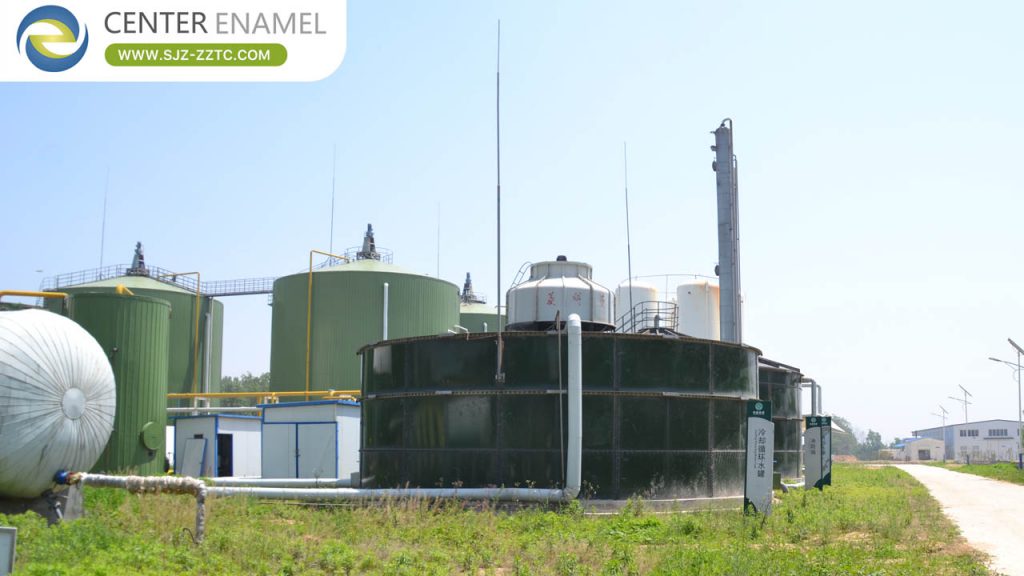
A paddy straw biogas plant is an advanced industrial bioenergy facility engineered specifically to convert rice residue (paddy straw) into clean renewable energy, compressed biomethane, and organic fertilizer through specialized anaerobic digestion. By treating this lignocellulosic biomass, these plants solve regional air pollution crises while unlocking valuable green infrastructure.
The Unique Challenges of Paddy Straw as a Feedstock
Unlike liquid manure or easily degradable food waste, rice straw possesses distinct chemical and physical barriers that prevent it from being processed in conventional biogas plants:
- High Lignin and Silica Content: Paddy straw contains roughly 10% to 15% silica and a tough lignin-cellulose matrix, making it naturally resistant to quick microbial degradation.
- Buoyancy and Floating Issues: Due to its dry, hollow, and fibrous structure, raw rice straw tends to float to the top of standard wet digesters, forming a thick crust that halts gas production and clogs equipment.
- Imbalanced Carbon-to-Nitrogen Ratio: With a high C:N ratio often exceeding 70:1 to 80:1, raw paddy straw lacks sufficient nitrogen to sustain an active anaerobic microbial community on its own.
How a Paddy Straw Biogas Plant Works: Core Technological Stages
To overcome these structural hurdles, a modern paddy straw biogas facility integrates a multi-step engineering pipeline:
- Mechanical and Thermal Pre-Treatment: Raw straw is chopped into small pieces (2–5 cm) and subjected to pre-treatment—such as hot water soaking, dilute alkali treatment, or steam explosion—to break the waxy cuticle and disrupt the lignin-cellulose bond.
- Co-Digestion Strategy: To correct the high C:N ratio, paddy straw is blended with nitrogen-rich co-substrates, most commonly livestock manure (such as cow dung or poultry litter) in optimal ratios (typically 3 parts straw to 1 part manure by weight) to prevent acidification and system failure.
- Advanced Continuous or Batch Digestion: The prepared slurry is fed into specialized continuous stirred-tank reactors (CSTR) or multi-stage looped systems operating under mesophilic or thermophilic temperatures where anaerobic bacteria convert the organic compounds into biogas.
- Biogas Upgrading and Purification: Raw biogas—containing roughly 60% to 70% methane—is passed through desulfurization units, moisture traps, and membrane separation or water scrubbing systems to remove carbon dioxide, yielding pipeline-grade compressed biomethane (CBG).
Comparative Data Table: Traditional Stubble Management vs. Paddy Straw Biogas Plant
| Operational & Environmental Metric | Open-Field Stubble Burning | Modern Paddy Straw Biogas Plant |
| Air Quality Impact | Heavy smog, high particulate matter ($PM_{2.5}$), toxic emissions | Zero open-air emissions; closed-loop carbon capture |
| Energy & Resource Recovery | None (total loss of caloric and material value) | High-purity biomethane (CBG) + electricity generation |
| By-Product Management | Waste ash that degrades soil microbiology | Nutrient-rich, pathogen-free organic digestate fertilizer |
| Economic Value | Zero economic return; high public health costs | New revenue stream for farmers selling stubble; green fuel supply |
Frequently Asked Questions (FAQ)
Q1: Why can raw paddy straw not be processed in standard livestock manure biogas plants?
A: Raw paddy straw has a very high C:N ratio (80:1), a tough lignin-silica shell, and buoyant properties that cause it to float and form crusts in standard wet digesters. Without mechanical pre-treatment and co-digestion with nitrogen-rich materials like manure, standard systems will experience nitrogen starvation and process failure.
Q2: How does a paddy straw biogas plant help stop stubble burning?
A: By providing a commercial market for agricultural waste, these plants incentivize farmers to collect and sell their rice straw rather than burning it off in the fields. This directly eliminates thick seasonal smog, lowers PM2.5 pollution, and captures fugitive carbon emissions into clean renewable energy.
Q3: What happens to the leftover waste residue after paddy straw digestion?
A: The post-digestion material (digestate) undergoes solid-liquid separation via screw presses. The solid fraction is processed into nutrient-rich organic bio-fertilizer that can be returned to agricultural fields to improve soil structure, closing the local nutrient loop.