
- Target Keywords: potato starch processing plant, potato starch manufacturing process, industrial starch extraction machinery, potato processing waste management, starch production workflow.
- Target Meta Title: What is a Potato Starch Processing Plant? Workflow & Equipment
- Target Meta Description: Discover what a potato starch processing plant is, explore the industrial extraction workflow, and learn how starch manufacturing wastes are valorized.
What is a Potato Starch Processing Plant? Industrial Extraction Workflow and Equipment
A potato starch processing plant is a specialized industrial manufacturing facility designed to extract native starch from raw potatoes through mechanical separation and purification. Because potatoes consist roughly of 75% water, 20% starch, and 5% fiber, protein, and minerals, commercial extraction requires a highly coordinated, continuous-flow engineering pipeline.
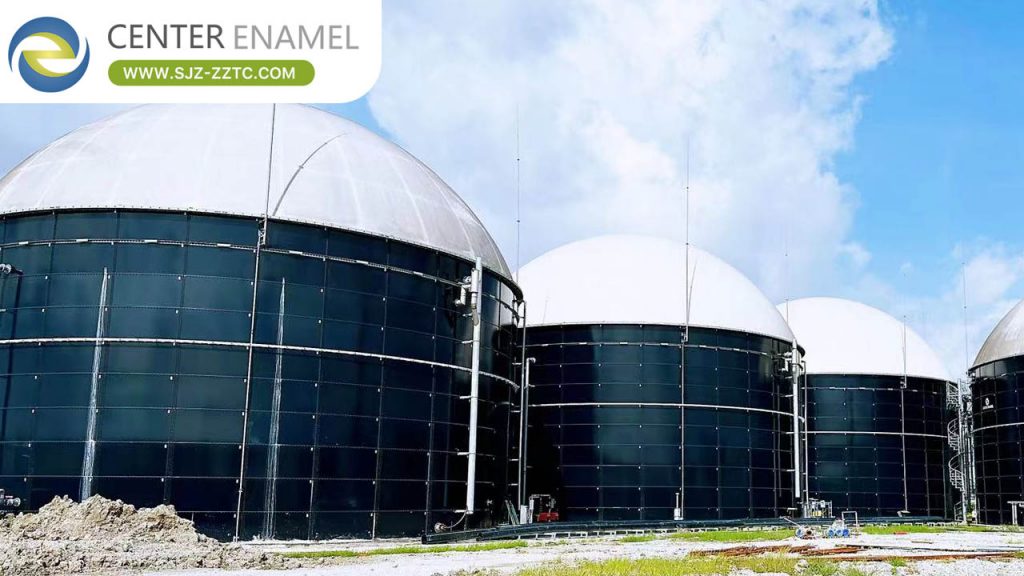
These facilities supply high-grade starch used extensively across the food, pharmaceutical, textile, and paper-making industries. Modern plants also focus heavily on closed-loop sustainability, converting starch-rich industrial wastewater and solid pulp residues into valuable renewable energy via anaerobic digestion.
Key Stages of the Potato Starch Manufacturing Process
Extracting pure starch from raw tubers without altering its chemical properties involves several sequential mechanical and physical steps:
- Reception, Cleaning, and Washing:
Raw potatoes are unloaded into flumes and conveyed through stone catchers, weed removers, and counter-current washing drums to strip away dirt, sand, and organic debris. - Rasping / Crushing:
Cleaned potatoes are fed into high-speed industrial raspers. This mechanical grinding ruptures the plant cell walls to liberate starch granules trapped inside the tuber cells without damaging the starch molecules themselves. - Starch Extraction (Centrifugal Sieving):
The potato mash (grated pulp) passes through multi-stage centrifugal sieves and fiber extractors. Water is sprayed continuously to wash the free starch milk through fine mesh screens while separating the coarse fibrous pulp (potato pulp residue). - Starch Refining and Concentration:
The crude starch milk contains fine fibers and soluble proteins (fruit water). Multi-stage hydrocyclone stations wash and concentrate the starch slurry, separating impurities based on specific gravity. - Dewatering and Drying:
The concentrated starch milk is processed through vacuum peelers or pusher centrifuges to reduce moisture content, followed by flash dryers that lower final moisture to commercial standards (around 18% to 20%).
Comparative Data Table: Potato Starch Processing Stages
| Processing Stage | Primary Industrial Equipment | Core Engineering Function |
| Washing & Cleaning | Stone catchers, rotary washing drums | Removes soil, stones, and surface contaminants |
| Cell Disruption | High-speed industrial raspers | Mechanically ruptures cell walls to release starch granules |
| Starch Extraction | Centrifugal fiber sieves, extractors | Separates free starch milk from solid potato pulp |
| Refining & Washing | Multi-stage hydrocyclone systems | Purifies starch slurry by removing residual proteins and fine fibers |
| Dewatering & Drying | Pusher centrifuges, flash dryers | Reduces moisture content to produce stable commercial starch powder |
Waste Valorization: Managing Potato Processing By-Products
Potato starch production generates two major by-product streams: potato waste pulp (solid fiber) and fruit water (high-strength acidic wastewater).
- Pulp Valorization: Solid potato pulp is rich in cellulose and residual starch. It is frequently dewatered and utilized as animal feed or processed in agricultural biogas plants.
- Wastewater Treatment: Fruit water carries an exceptionally high Chemical Oxygen Demand (COD). Modern plants deploy high-rate anaerobic bioreactors (such as UASB or EGSB systems) to treat this effluent while capturing renewable biogas to power the factory's drying units.
Frequently Asked Questions (FAQ)
Q1: What is the primary product of a potato starch processing plant?
A: The primary product is high-purity native potato starch, characterized by a neutral taste, high viscosity, and clear paste properties, making it valuable for food thickening, paper manufacturing, and industrial adhesives.
Q2: How are solid potato waste pulps managed in a processing plant?
A: Solid potato pulp is rich in organic matter and fiber. Rather than being discarded, it is typically dewatered using mechanical presses and repurposed as high-energy livestock feed or directed into anaerobic digesters for biogas production.
Q3: Why is wastewater management critical for potato starch factories?
A: Potato processing wastewater (fruit water) contains dissolved starches and proteins that create an extremely high Chemical Oxygen Demand (COD). If untreated, it causes severe environmental damage; however, modern plants utilize specialized anaerobic systems to convert this high-load effluent into clean water and renewable energy.