
Sequencing Batch Reactor (SBR): How It Works, Key Advantages, and Design Essentials
The sequencing batch reactor is one of the most versatile biological treatment technologies in modern wastewater management. Unlike conventional activated sludge systems that require separate tanks for aeration and clarification, an SBR performs every treatment step in a single vessel-sequenced over time rather than space. This time-based approach offers remarkable flexibility for plants facing variable flows and stringent nutrient removal targets. This guide explains how SBRs work, what makes them different, and what to consider when evaluating this technology.
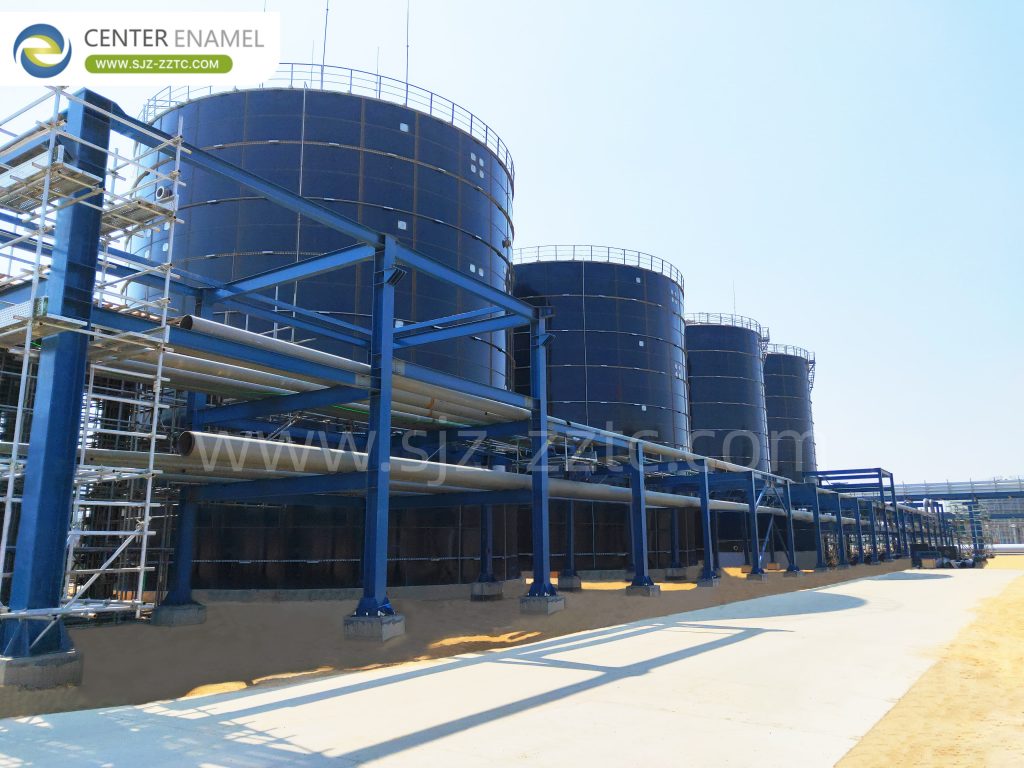
What Is a Sequencing Batch Reactor?
A sequencing batch reactor (SBR) is a fill-and-draw activated sludge system that operates in batch mode. All key treatment processes-equalization, aeration, biological degradation, settling, and decanting-occur sequentially within the same tank at different times . This is the fundamental distinction from conventional continuous-flow activated sludge plants, where these processes run simultaneously in separate, dedicated tanks and basins.
The SBR concept is not new, but its adoption has accelerated with advances in automated controls and sensor technology. Modern SBRs rely on programmable logic controllers and instrumentation to manage the precise timing of each phase, making the system reliable and repeatable even for complex treatment objectives . The technology is applicable for BOD and TSS removal, nitrification, denitrification, and biological phosphorus removal, making it a full-service solution for both municipal and industrial wastewater .
The Five Phases of an SBR Cycle
Every SBR operates through a repeating sequence of discrete phases. The duration of each phase, and the conditions maintained within it, can be adjusted to meet specific treatment goals. A typical cycle includes the following stages.
Fill. Wastewater enters the reactor during this phase. Fill can be static (no mixing or aeration), mixed, or aerated, depending on the treatment objectives. An anoxic fill, for example, promotes denitrification by allowing incoming carbon to be consumed without oxygen present. The fill period usually represents about 25% of the total cycle time, though this varies with the number of tanks and the influent flow rate .
React. This is where the primary biological reactions occur. Aeration is typically provided to oxidize organic matter and, if needed, to drive nitrification. The react phase can also include anoxic or anaerobic sub-phases to achieve denitrification or enhanced biological phosphorus removal. The length of the react phase often constitutes over 50% of the total cycle time in nutrient-removal configurations .
Settle. Aeration and mixing stop, allowing the biomass to settle under quiescent conditions. Because the entire tank volume acts as a clarifier, settling can be highly effective, producing a clear supernatant above the sludge blanket. This phase typically lasts 0.5 to 1.5 hours .
Decant. Treated effluent is withdrawn from near the surface, typically using a floating decanter designed to avoid disturbing the settled sludge or drawing in floating material. The decant period averages about 45 minutes and may range from 5% to 30% of the cycle time .
Idle. An optional period between decant and the next fill. Idle time can be used for sludge wasting, maintenance, or simply to accommodate fluctuations in influent flow. In multi-tank systems, idle time helps coordinate the cycles of parallel reactors .
Typical SBR Cycle Phases and Functions
| Phase | Primary Function | Typical Duration | Key Conditions |
| Fill | Receive influent; initiate biological reactions | ~25% of cycle | Static, mixed, or aerated |
| React | Degrade organics; nitrify/denitrify; remove phosphorus | >50% of cycle | Aerobic, anoxic, or anaerobic |
| Settle | Separate biomass from treated water | 0.5–1.5 hours | Quiescent, no flow |
| Decant | Withdraw clarified effluent | ~45 minutes | Surface withdrawal |
| Idle | Sludge wasting; cycle coordination | Variable | Optional |
Key Advantages of SBR Technology
The SBR configuration offers several compelling advantages that explain its popularity for small to medium-sized plants and for facilities with variable loading.
Single-Tank Treatment. Because all processes occur in one vessel, SBRs eliminate the need for separate aeration tanks, secondary clarifiers, and sludge return systems. This reduces the footprint and can significantly lower civil construction costs compared to conventional activated sludge .
Operational Flexibility. The time-based nature of SBR operation means that cycle durations and phase conditions can be adjusted without physical modifications. If influent characteristics change-higher organic load, seasonal flow variations, or new nutrient limits-operators can reprogram the cycle rather than rebuild the plant . This adaptability is particularly valuable for industrial facilities with batch production schedules.
High Effluent Quality. Well-designed SBRs achieve excellent removal rates. Performance data from operating plants show BOD removal of 89–98%, TSS removal of 85–97%, and nitrification of 91–97%. Total nitrogen removal can exceed 75%, and biological phosphorus removal typically ranges from 57% to 69% . The batch nature of the process also creates alternating “feast and famine” conditions that favor robust, well-settling biomass .
Limitations and Operational Considerations
No technology is without tradeoffs, and SBRs have characteristics that require careful planning.
Automation Dependence. SBRs rely heavily on sensors, timers, and programmable controls to sequence the phases correctly. Decanter mechanisms, blowers, and valves must function reliably. While modern automation has largely resolved the maintenance issues that plagued early SBR designs, the system does demand a higher level of operational competence than a simple continuous-flow plant .
Batch Discharge Characteristics. Because effluent is released only during the decant phase, the discharge is intermittent rather than continuous. This can require oversizing of downstream outfalls or equalization provisions to manage the pulsed flow. The entire daily wastewater volume must be discharged during the decant periods, which typically occupy only 4 to 6 hours per day .
Potential for Odor and Foam. During idle or unaerated fill periods, particularly in warm climates, septic conditions can develop and produce odors. Excessive foaming has also been noted in some SBR applications, requiring attention to mixing and aeration strategies .
SBR vs. Conventional Activated Sludge: A Quick Comparison
| Feature | Sequencing Batch Reactor | Conventional Activated Sludge |
| Tank Configuration | Single tank for all processes | Separate aeration and clarifier tanks |
| Flow Regime | Batch / timed sequence | Continuous |
| Footprint | Smaller | Larger |
| Operational Flexibility | High (time-based control) | Moderate (physical modifications needed) |
| Secondary Clarifier | Not required | Required |
| Sludge Return | Not required | Required |
| Control Complexity | Higher (automation-dependent) | Lower to moderate |
Design Parameters and Performance Expectations
Successful SBR design balances hydraulic loading, organic loading, and the biological requirements of the treatment goals. Key parameters provide a starting point for sizing and operation.
The mixed liquor suspended solids concentration in an SBR typically ranges from 2,000 to 6,500 mg/L, with food-to-microorganism ratios between 0.04 and 0.20 lb BOD per day per mg/L MLVSS . Hydraulic retention time generally falls between 9 and 30 hours. Total cycle times range from 4 to 12 hours, and solids retention times are commonly maintained between 20 and 40 days for nutrient removal . Most SBR facilities operate between four and six cycles per day, though this can be adjusted based on influent strength and flow .
For facilities requiring biological nutrient removal, the cycle design becomes more sophisticated. Anoxic fill or react phases are inserted to facilitate denitrification, and anaerobic phases may be included for phosphorus removal. The flexibility to create these conditions within a single tank-simply by controlling aeration and mixing-is one of the SBR’s strongest assets .
Applications: Where SBRs Make Sense
SBR technology is particularly well-suited to certain contexts. For small and medium-sized municipal plants, the single-tank design and lack of a secondary clarifier reduce capital costs and simplify operations . For industrial facilities with batch discharges-such as food processing, slaughterhouses, or chemical plants-the SBR’s ability to handle variable flows and loads without continuous equalization is a major advantage .
The technology is also effective for treatment trains requiring nitrification and denitrification. The cyclic exposure of biomass to alternating aerobic and anoxic conditions selects for a microbial community capable of both processes, and the batch mode allows for precise control over the duration of each condition . For facilities constrained by space, the SBR’s compact footprint can be the deciding factor.
FAQ
Q1: How long does one SBR cycle take?
Most SBR systems complete a full cycle-fill, react, settle, decant, and idle-in 4 to 12 hours, with 4 to 6 cycles per day being typical. The exact timing depends on influent strength, flow rate, and treatment objectives .
Q2: Does an SBR need a separate clarifier?
No. One of the defining features of an SBR is that settling and clarification occur within the same tank as aeration and reaction. No secondary clarifier or sludge return system is required .
Q3: Can an SBR remove nutrients like nitrogen and phosphorus?
Yes. By adjusting the aeration and mixing conditions during fill and react phases, SBRs can create the aerobic, anoxic, and anaerobic environments needed for nitrification, denitrification, and biological phosphorus removal. Performance data show total nitrogen removal above 75% and phosphorus removal in the 57–69% range .
Planning an SBR project or upgrading an existing plant? Our team can help you evaluate whether sequencing batch reactor technology fits your flow, load, and treatment goals. Reach out today for a technical discussion and preliminary design guidance tailored to your site.