
What is a Sewage Treatment Plant and How Does It Work? A Complete Guide to Sewage Treatment Plant
Every time you flush a toilet, turn on a tap, or wash a load of laundry, the resulting wastewater embarks on a remarkable journey-one that transforms it from a hazardous mixture of human waste and chemicals into clean water safe enough to return to nature. Behind this invisible journey lies the sewage treatment plant (STP), one of modern civilization's most critical yet least appreciated engineering marvels. In this comprehensive guide, we will walk you through what a sewage treatment plant is, why it matters, and how its physical, biological, and chemical processes work together to protect both public health and the environment.
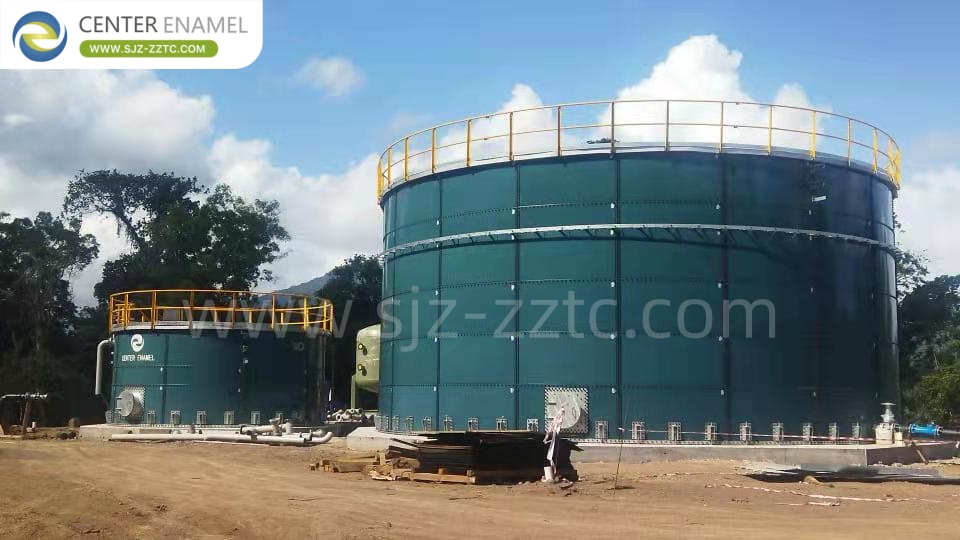
What is a Sewage Treatment Plant?
A sewage treatment plant (STP) is a critical infrastructure facility designed to receive wastewater from residential, commercial, and industrial sources and process it to remove harmful contaminants before the treated water is released back into the environment. These plants employ a sophisticated combination of physical, biological, and chemical processes to transform raw, polluted sewage into an effluent that is safe for discharge into rivers, lakes, or oceans. Modern STPs are highly engineered systems that replicate and accelerate natural purification mechanisms, operating around the clock to protect both public health and aquatic ecosystems. Without these facilities, untreated sewage would devastate waterways, spread disease, and render water sources unusable for future generations.
Why is Sewage Treatment Essential?
Raw sewage is a complex mixture containing organic matter, human pathogens, suspended solids, nutrients (nitrogen and phosphorus), and various chemical compounds. If discharged untreated, the environmental and health consequences are severe. The organic material consumes dissolved oxygen in receiving waters, suffocating fish and beneficial aquatic life. Pathogens present in untreated sewage-including bacteria, viruses, and parasites-pose a direct threat to human health, causing waterborne diseases such as cholera, typhoid, and hepatitis. Meanwhile, excessive nutrients trigger eutrophication, a process where algal blooms deplete oxygen and create "dead zones" where little life can survive. Sewage treatment plants systematically remove these pollutants, protecting biodiversity, safeguarding drinking water supplies, and ensuring that recreational waters remain safe for public use.
The Three Core Treatment Stages: An Overview
Most municipal sewage treatment plants operate on three distinct but interconnected stages: primary (mechanical), secondary (biological), and tertiary (chemical/polishing). Each stage targets specific types of pollutants, and together they achieve pollutant removal rates exceeding 95% for most contaminants. The table below summarizes the key characteristics of each stage:
| Treatment Stage | Primary Mechanism | Target Pollutants | Typical Removal Efficiency |
| Primary (Mechanical) | Physical settling & screening | Suspended solids, grit, floating fats/oils | 30–40% of BOD, 50–60% of TSS |
| Secondary (Biological) | Microbial digestion (activated sludge, biofilters) | Dissolved organic matter, biodegradable pollutants | 85–90% of BOD, 85–95% of TSS |
| Tertiary (Chemical/Polishing) | Chemical precipitation, filtration, disinfection | Nutrients (N, P), residual suspended solids, pathogens | 90–99% of phosphorus, >99% of pathogens |
This staged approach ensures that each treatment step builds upon the previous one, progressively improving water quality until the final effluent meets stringent environmental discharge standards.
The Mechanical Stage: The First Line of Defense
The primary treatment stage is entirely physical and serves as the first barrier against large debris and settleable solids. When raw sewage enters the plant, it first passes through a series of bar screens with progressively smaller openings. These screens capture large objects such as rags, plastics, sanitary products, and other debris that could damage pumps and clog downstream equipment. The captured material is automatically raked off, compacted, and sent to a landfill or incinerator.
Following screening, the wastewater flows into a grit chamber-a long, narrow tank where flow velocity is carefully reduced. This allows heavier inorganic particles like sand, gravel, coffee grounds, and eggshells to settle out by gravity. Removing grit is essential to protect mechanical equipment from abrasion and to prevent accumulation in downstream sludge handling systems.
The water then moves to a primary clarifier (also called a sedimentation tank), where it is held for approximately two hours. During quiescent conditions, fine suspended solids slowly settle to the bottom as raw primary sludge, while lighter materials such as grease, oils, and soaps float to the surface and are skimmed off by rotating collection mechanisms. At this stage, approximately 30–40% of the biochemical oxygen demand (BOD) and 50–60% of total suspended solids (TSS) are removed, preparing the wastewater for the biological processes that follow.
The Biological Stage: Nature's Purification Engine
The secondary treatment stage is the biological heart of the sewage treatment plant, responsible for removing up to 90% of dissolved and colloidal organic matter. This process mimics natural self-purification mechanisms but accelerates them dramatically by optimizing conditions for microbial growth.
The most widely used method is the activated sludge process. In this system, the primary effluent flows into large aeration tanks where compressed air or mechanical surface aerators continuously inject oxygen. This oxygen-rich environment promotes the rapid growth of a diverse community of aerobic bacteria and protozoa, which form visible clumps known as "bioflocs." These microorganisms absorb, adsorb, and metabolize organic pollutants-converting them into carbon dioxide, water, and new microbial biomass. Aeration typically accounts for 50–90% of a plant's total energy consumption, making it the most energy-intensive step in the treatment chain.
After several hours of aeration, the mixed liquor (a combination of wastewater and microbial flocs) flows into a secondary clarifier. Here, the biological flocs settle to the bottom as activated sludge. A portion of this settled sludge is recycled back to the aeration tank to maintain a high concentration of active bacteria (typically 2,000–4,000 mg/L of mixed liquor suspended solids), while the surplus is removed for further processing. The clear supernatant above the settled sludge is the secondary effluent, which now contains very low levels of organic matter but may still harbor dissolved nutrients and trace contaminants.
The Chemical Stage: Polishing the Water to Perfection
Although secondary treatment dramatically reduces organic pollution, the effluent still contains significant concentrations of nutrients-particularly nitrogen and phosphorus-that can cause eutrophication in sensitive water bodies. The tertiary (or advanced) treatment stage addresses these residual pollutants using chemical, physical, and disinfection processes.
Phosphorus removal is often the first tertiary step. By adding metal salts such as aluminum sulfate (alum), ferric chloride, or ferric sulfate, the dissolved phosphate precipitates as insoluble metal phosphates. These solid particles are then removed by settling or filtration. This chemical precipitation can achieve phosphorus removal rates of 90–99%, protecting downstream lakes and estuaries from algal blooms.
Beyond phosphorus, many plants incorporate additional polishing steps depending on the required final water quality:
| Tertiary Process | Function | Pollutants Removed |
| Sand or multimedia filtration | Physical capture of fine particles | Residual suspended solids |
| Activated carbon adsorption | Chemical binding | Trace organic compounds, odor, color |
| Chlorination | Oxidation and disinfection | Pathogenic bacteria and viruses |
| UV irradiation | DNA damage via ultraviolet light | Cryptosporidium, Giardia, viruses |
| Ozonation | Powerful oxidation | Resistant pathogens, micro-pollutants |
| Membrane bioreactors (MBR) | Microfiltration/ultrafiltration | All suspended matter, bacteria |
In some advanced plants, tertiary-treated water undergoes reverse osmosis or ion exchange to produce reclaimed water suitable for industrial cooling, agricultural irrigation, or even groundwater recharge-demonstrating that sewage treatment can transform wastewater into a valuable resource.
What Happens to the Sludge? From Waste to Energy
The treatment processes generate substantial quantities of sludge-a thick mixture of solids, water, and microorganisms. Primary sludge from the clarifier and secondary (biological) sludge both contain approximately 97–99% water, making volume reduction a critical first step. The table below illustrates how sludge characteristics change through the treatment and stabilization process:
| Sludge Stage | Typical Solids Content | Key Process | Outcome |
| Raw primary sludge | 3–5% | Gravity thickening | Volume reduced by ~50% |
| Thickened sludge | 5–10% | Anaerobic digestion | Organic matter stabilized, biogas produced |
| Digested sludge | 10–15% | Mechanical dewatering (centrifuge, belt press) | Further volume reduction, easier handling |
| Dewatered cake | 20–40% | Composting or drying | Safe for land application or landfill |
Anaerobic digestion is the most common stabilization method for large plants. In this process, thickened sludge is placed in a sealed, heated tank (maintained at approximately 35°C for mesophilic digestion) where bacteria break down organic matter in the absence of oxygen. The digestion process destroys pathogens, reduces volatile solids by 40–60%, and produces biogas-a mixture of roughly 60–65% methane and 35–40% carbon dioxide. This biogas is captured and used in combined heat and power (CHP) engines to generate electricity and thermal energy, often making large plants energy-neutral or even net energy producers. The final digested and dewatered sludge, now odor-free and biologically stable, can be applied to agricultural land as a soil conditioner (subject to strict quality regulations) or used as a fuel in waste-to-energy incinerators.
Different Sizes, Same Fundamental Principles
While the core treatment principles remain consistent, the scale and specific technologies vary considerably based on population served, land availability, and regulatory requirements. Municipal plants serving millions of people occupy vast sites and employ sophisticated automated control systems, while smaller communities and rural areas often adopt simpler, lower-cost alternatives.
| Plant Type | Typical Service Population | Key Technologies | Advantages | Disadvantages |
| Large municipal STP | >100,000 | Activated sludge + tertiary + anaerobic digestion | High effluent quality, energy recovery | High capital/operating cost, complex operation |
| Small municipal STP | 2,000–100,000 | Extended aeration, SBR, or oxidation ditches | Moderate cost, reliable performance | Less energy recovery, requires skilled operators |
| Package treatment plant | 10–2,000 | Compact aeration units, MBBR, or MBR | Pre-fabricated, rapid installation, small footprint | Higher per-unit cost, regular maintenance needed |
| Waste stabilization ponds | Rural communities | Facultative lagoons, maturation ponds | Very low energy, minimal mechanical parts | Large land area, longer retention time (20–60 days) |
For individual homes not connected to municipal sewers, domestic package STPs are increasingly popular. These small-scale, pre-fabricated units use similar biological processes-often sequential batch reactors (SBR) or moving bed biofilm reactors (MBBR)-to produce high-quality effluent that can be safely discharged to a drainage field or watercourse. Regardless of size, all effective treatment systems share the same overarching goal: to protect water resources and public health by mimicking and accelerating natural purification cycles.
Maintenance and Common Operational Considerations
Like any engineered system, sewage treatment plants require regular monitoring and proactive maintenance to perform reliably. For domestic and small package plants, most manufacturers recommend a full professional service annually, including inspection of air compressors, diffusers, pumps, and control panels. Desludging (removal of accumulated solids from the settlement tank) is typically required once per year, though frequency depends on usage and tank capacity.
A well-functioning plant should produce no offensive odors. Any persistent smell-often resembling rotten eggs (hydrogen sulfide)-usually indicates operational problems such as:
Overloading beyond design capacity
Insufficient aeration leading to anaerobic conditions
Blocked or damaged diffusers
Accumulated sludge in the aeration zone
Power outages are a common concern. Most biological systems are resilient to short interruptions (a few hours) because the microbial population can survive without oxygen temporarily. However, extended outages (more than 12–24 hours) can significantly reduce treatment efficiency and may cause temporary odors when power is restored. Modern plants are equipped with intelligent control systems and alarm notifications that automatically adjust aeration rates, recycle ratios, and chemical dosing based on real-time influent flow and quality-ensuring that the beneficial bacteria remain viable even during low-flow nighttime periods or stormwater surges. Regular operator training and adherence to maintenance schedules are the most effective ways to prevent failures and extend the operational life of any sewage treatment plant.
Frequently Asked Questions
1. What is the main difference between a septic tank and a sewage treatment plant?
A septic tank is primarily a passive settling chamber-it separates solids from liquids and discharges partially treated effluent that still requires further soil treatment in a drain field. A sewage treatment plant, by contrast, uses active aeration and biological digestion to produce a much cleaner effluent that can be safely discharged directly into a ditch, stream, or watercourse without the need for a soakaway.
2. Can I maintain my domestic sewage treatment plant myself?
While you can perform basic visual checks (ensuring the power supply is on, checking for unusual noises or odors), comprehensive maintenance-including internal inspections, compressor service, diffuser cleaning, and sludge removal-must be carried out by a certified specialist. They have the training and equipment to test effluent quality and ensure regulatory compliance.
3. Is the treated water from an STP safe to use for gardening or car washing?
Secondary-treated effluent is not recommended for direct contact or garden irrigation due to residual pathogens and nutrients. However, after tertiary treatment (including filtration and UV/chlorine disinfection), the water can be safely used for non-potable purposes such as landscape irrigation, industrial cooling, and vehicle washing. With advanced reverse osmosis treatment, it can even be purified to drinking-water standards, though this is still rare globally.