
What Is a Wastewater Tank? A Complete Guide to Types, Functions, and Applications
A wastewater tank is a watertight structure or container designed to hold wastewater for purposes such as aeration, dilution, disinfection, equalization, mixing, sedimentation, storage, collection for transport, treatment, or the addition of chemicals . These tanks form the backbone of virtually every wastewater treatment system, from individual household septic systems to massive municipal treatment plants serving millions of people.
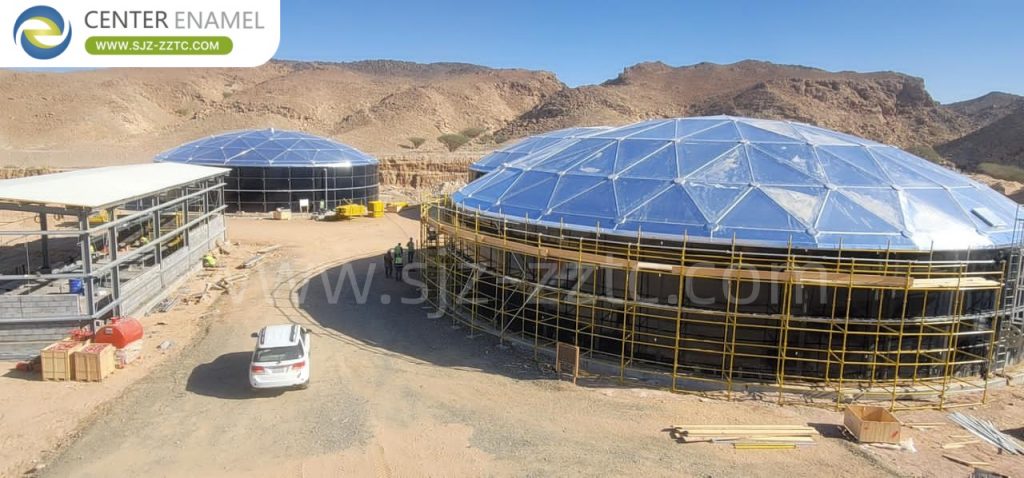
The fundamental purpose of any wastewater tank is to create a controlled environment where physical, chemical, or biological processes can occur. Depending on the specific application, a tank might simply store wastewater until it can be pumped out, or it might serve as a sophisticated bioreactor where microorganisms break down pollutants. Understanding the different types of wastewater tanks, their functions, and how they fit into complete treatment systems is essential for anyone involved in wastewater management, from homeowners to industrial facility operators.
This comprehensive guide examines wastewater tanks from multiple perspectives: the major categories and their specific purposes, construction materials, design considerations, operational requirements, and common applications across residential, commercial, and industrial settings.
The Fundamental Functions of Wastewater Tanks
Wastewater tanks serve several critical functions within treatment systems, often performing multiple roles simultaneously. The primary function is containment-creating a watertight barrier that prevents untreated wastewater from contaminating soil and groundwater . Beyond simple containment, tanks provide the residence time necessary for treatment processes to occur.
Solids separation is one of the most common tank functions. In a septic tank, for example, heavier solids sink to form a sludge layer on the bottom while lighter materials like fats, oils, and grease float to the surface as scum . This gravity-based separation creates a clearer liquid zone in the middle that can flow out for further treatment or dispersal.
Biological treatment occurs in many tank types, particularly those designed for anaerobic digestion. Septic tanks allow anaerobic bacteria to partially decompose settled solids, reducing sludge volume and stabilizing organic matter . More sophisticated processing tanks are specifically designed to promote denitrification, converting nitrogen compounds into harmless nitrogen gas .
Equalization and storage functions are essential in systems where wastewater flow varies significantly throughout the day. Holding tanks and equalization basins buffer hydraulic surges, ensuring downstream treatment processes receive a consistent flow . This is particularly important for commercial and industrial facilities where batch operations create irregular discharge patterns.
Chemical treatment may also occur within tanks. Some systems incorporate chemical addition for pH adjustment, coagulation, flocculation, or disinfection, requiring tanks designed with appropriate mixing and residence time .
Major Types of Wastewater Tanks
Wastewater tanks fall into several distinct categories based on their primary function within a treatment system. Understanding these differences is essential for proper system design and operation.
Holding Tanks
A holding tank is a watertight vessel that stores wastewater with no outlet for on-site dispersal . These tanks function purely as collection and storage devices, requiring periodic pumping to remove their contents. Holding tanks are typically used as a last resort where a complete treatment system cannot be installed, during system startup, or when installation has been halted due to weather or other circumstances . They may be constructed from concrete, polyethylene, or fiberglass, and must be pumped based on daily flows, with complete removal of both liquid and solids .
Septic Tanks
The septic tank is the most widely recognized type of wastewater tank, serving as the primary treatment component in onsite wastewater treatment systems. These watertight tanks provide primary treatment by separating solids from liquids: heavier solids settle to the bottom as sludge while fats, oils, grease, and soap scum float to the top . Inlet and outlet baffles direct flow to facilitate separation and retain the scum layer within the tank.
The clear liquid zone that forms between the sludge and scum layers passes through an effluent screen and exits to a soil treatment area for final dispersal . Septic tanks are typically sized based on daily sewage flow and the detention time needed for solids separation, with capacities designed to hold 150-300% of daily flow . Settled solids must be pumped out approximately every 3-5 years, depending on usage .
Trash Tanks
Trash tanks are similar in construction to septic tanks but serve a different purpose. Rather than providing comprehensive solids separation, trash tanks function as collection points for larger solids and materials that could interfere with downstream treatment processes . They are commonly installed before advanced pretreatment units such as aerobic treatment units (ATUs), protecting sensitive equipment from debris like plastic products and other non-biodegradable items .
Trash tanks are often half the size of a septic tank designed for similar flow, with sizing typically specified by the ATU manufacturer . While these tanks may be anaerobic, they do not function like septic tanks, and if an advanced treatment system is taken offline, additional tank capacity is needed to achieve septic-tank-quality effluent .
Processing Tanks
Processing tanks are special-use anaerobic treatment tanks designed specifically to increase nitrogen removal through denitrification . These tanks combine the functions of septic tank, surge storage tank, pump tank, and recirculating tank .
In operation, aerobic effluent from an ATU or media filter is returned to the processing tank, where anaerobic conditions exist. Nitrogen in the form of ammonia is pumped to the ATU and aerated, converting it to nitrate form. The aerated effluent then returns to the processing tank, where the nitrate is converted to nitrogen gas and vented to the atmosphere . This recirculation process requires careful calculation of recirculation ratios to ensure proper nitrogen reduction without compromising BOD and solids removal .
| Tank Type | Primary Function | Typical Size | Pumping Frequency |
| Holding Tank | Storage only, no outlet | Several days of flow | Based on daily flows |
| Septic Tank | Primary treatment, solids separation | 150-300% daily flow | Every 3-5 years |
| Trash Tank | Large solids collection | 75-100% daily flow | As needed |
| Processing Tank | Denitrification | System-specific | As needed |
Wastewater Tanks in Municipal and Industrial Treatment
Beyond onsite residential systems, wastewater tanks form the core infrastructure of municipal and industrial treatment facilities. These larger-scale applications employ tanks for specific treatment processes within a multi-stage treatment train.
Primary clarifiers are sedimentation tanks where floating wastes are skimmed off and settled solids are pumped out for disposal . These tanks provide the first stage of treatment in municipal plants, removing settleable solids through gravity settling. Design considerations include surface loading rates, detention times, and weir loading rates .
Aeration tanks are used in activated sludge processes, where mechanical or diffused aeration supplements oxygen supply to support aerobic biological treatment . These tanks are designed based on factors including organic loading, mixed liquor suspended solids concentration, and hydraulic retention time.
Anaerobic digesters are specialized tanks where sludge undergoes anaerobic decomposition, reducing volatile solids and producing biogas as a byproduct. These tanks require careful temperature control and mixing to maintain optimal conditions for methanogenic bacteria.
Storage tanks for industrial applications may be constructed from carbon steel with protective linings, stainless steel, or other materials selected for compatibility with the specific wastewater characteristics . These tanks may store landfill leachate, industrial chemically contaminated wastewater, or agricultural liquid wastes .
Construction Materials and Design Considerations
The choice of tank material significantly impacts durability, cost, and suitability for specific applications. Common materials include concrete, fiberglass, polyethylene, and steel.
Concrete tanks are durable and widely used for both onsite systems and large municipal applications. For extremely large tanks (greater than 5 million gallons per day), concrete remains a preferred material due to its economy and durability at scale . However, concrete tanks are difficult to modify or reconfigure if treatment requirements change.
Plastic and fiberglass tanks offer advantages for smaller applications. Polyethylene tanks feature multi-layered construction with UV stabilization for corrosion protection and watertight performance . Fiberglass tanks are lightweight, resistant to corrosion, and suitable for both above-ground and below-ground installation .
Steel tanks offer significant advantages for applications up to 5 million gallons per day, including lower lifetime costs, easier modification and reconfiguration, and faster field erection compared to concrete . Welded steel tanks can be cut, re-welded, expanded, or moved with standard steel-working tools, providing flexibility that concrete cannot match .
Design considerations for wastewater tanks include:
Watertightness: All tanks must prevent leakage to protect groundwater and ensure proper treatment
Structural integrity: Tanks must withstand soil loads, hydrostatic pressure, and in some cases, vehicle traffic (H-20 loading)
Corrosion resistance: Material selection must account for the chemical characteristics of the wastewater
Access: Inspection ports, risers, and manways must allow for maintenance and pumping
Venting: Proper venting prevents gas accumulation and odor issues
Operational Requirements and Maintenance
Proper operation and maintenance are essential for wastewater tank performance and longevity. Neglected tanks can fail, causing environmental contamination and costly repairs.
Regular inspection should assess tank structural condition, liquid levels, and the presence of unacceptable conditions . Inspectors should evaluate odor within 10 feet of the system perimeter, check lids for secure fastening, and verify that alarms and telemetry systems are operational .
Solids measurement is critical for determining when tanks require pumping. In septic tanks, the combined sludge and scum layers should not exceed 25% of the tank volume. When this threshold is reached, the tank should be pumped to prevent solids from carrying over into the dispersal field .
Pumping frequency varies by tank type and usage. Septic tanks typically require pumping every 3-5 years . Holding tanks require pumping based on daily flows, potentially as frequently as weekly for high-usage applications. Trash tanks and processing tanks are pumped as needed based on accumulated solids.
Common operational issues include algae growth in clarifier tanks, which can be mitigated with launder covers that block sunlight and reduce nutrient availability . Floating sludge, scum overflow, and poor suspended solids removal are indicators of operational problems that require troubleshooting and corrective action .
| Maintenance Task | Frequency | Purpose |
| Visual inspection | Annually | Assess structural condition, access, alarms |
| Solids measurement | Annually or as needed | Determine pumping need |
| Pumping | 3-5 years (septic) | Remove accumulated sludge and scum |
| Alarm testing | Quarterly | Ensure warning systems function |
| Effluent screen cleaning | As needed | Prevent clogging and backup |
Regulatory Requirements for Wastewater Tanks
Wastewater tanks are subject to regulatory oversight at federal, state, and local levels. Requirements vary significantly depending on tank type, application, and jurisdiction.
Holding tanks often require permits to install and holding tank management plans approved by state environmental agencies . In Ohio, for example, no person may install or operate a sewage holding tank without first obtaining a permit to install and management plan approval from the director . Management plans must be renewed every five years, with renewal applications submitted at least six months prior to expiration .
Industrial wastewater holding tanks face additional requirements. In Massachusetts, in-ground industrial holding tanks must have capacity greater than 500% of average daily flow, must be equipped with liquid level alarms that activate at 75% capacity, and must have secondary containment meeting specific design criteria . Weekly leakage inspections are required for these tanks .
Septic systems are regulated at the local level, with many jurisdictions no longer allowing conventional septic tanks in favor of advanced treatment systems that provide higher levels of treatment . Setback distances, soil testing requirements, and installation standards vary by state and county.
Ready to select the right wastewater tank for your project? Contact our team today to discuss your specific requirements and find the optimal solution for your application.
Frequently Asked Questions
What is the difference between a septic tank and a holding tank?
A septic tank provides primary treatment by separating solids from liquids, allowing partially treated effluent to flow out to a soil treatment area. A holding tank has no outlet and functions purely for collection and storage, requiring periodic pumping to remove all contents . Holding tanks are typically used only where a complete treatment system cannot be installed.
How often should a wastewater tank be pumped?
Pumping frequency depends on tank type, size, and usage. Septic tanks generally require pumping every 3-5 years, but this varies based on household size and water usage . Holding tanks require pumping based on daily flows and tank capacity, potentially as frequently as weekly. The best indicator is regular solids measurement-when sludge and scum occupy 25% or more of tank volume, pumping is needed .
Can a wastewater tank be installed above ground?
Yes, above-ground installation is possible when site conditions prevent below-ground installation, such as sub-surface rock or high water tables . Above-ground systems must be watertight, durable, UV resistant, and resistant to earthquake forces where applicable . Steel tanks with appropriate coatings are commonly used for above-ground industrial applications .