
What Is Acidic Wastewater? Sources, Characteristics, and Treatment Methods
Acidic wastewater refers to industrial or commercial wastewater with a pH value below 7. It contains acidic substances that increase hydrogen ion concentration, making the water acidic and potentially corrosive.
This type of wastewater is commonly generated during industrial production processes involving acids, chemical reactions, metal surface treatment, and mineral processing.
Common acidic substances found in wastewater include sulfuric acid, hydrochloric acid, nitric acid, phosphoric acid, and organic acids.
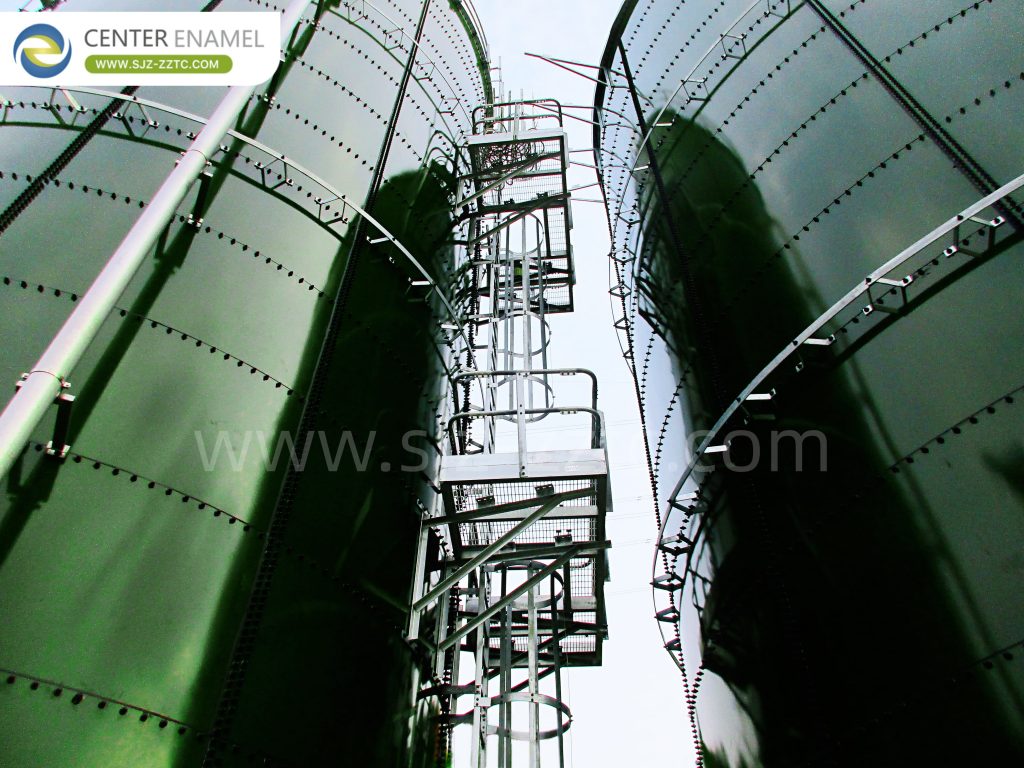
The acidity of wastewater can vary significantly depending on the production process and the concentration of acidic chemicals. Some wastewater streams have mildly acidic conditions, while others contain highly concentrated acids with extremely low pH values.
If acidic wastewater is discharged without proper treatment, it can damage sewer systems, corrode industrial equipment, disrupt biological treatment processes, and negatively affect aquatic ecosystems.
Therefore, acidic wastewater treatment is essential for protecting the environment, maintaining industrial production safety, and ensuring compliance with wastewater discharge regulations.
What Are the Main Sources of Acidic Wastewater?
Acidic wastewater is widely generated across industries that use acids for cleaning, chemical processing, extraction, and manufacturing.
Different production processes produce wastewater with different acidity levels and pollutant characteristics.
The following table summarizes the major industrial sources.
| Industry | Main Sources | Typical Pollutants |
| Metal processing | Acid pickling and metal cleaning | Hydrochloric acid, sulfuric acid, iron, zinc |
| Chemical manufacturing | Acid production and chemical reactions | Sulfuric acid, hydrochloric acid, organic compounds |
| Mining industry | Mineral leaching and ore processing | Sulfuric acid, dissolved metals |
| Electroplating | Surface cleaning and electrochemical treatment | Acids, nickel, chromium, copper |
| Textile industry | Dyeing and chemical finishing | Organic acids, inorganic acids, dyes |
| Pharmaceutical industry | Chemical synthesis and equipment cleaning | Organic acids, solvents, chemical residues |
| Battery manufacturing | Battery production and maintenance | Sulfuric acid, dissolved metals |
Among these industries, metal processing, mining, electroplating, and chemical manufacturing are particularly important sources of acidic industrial wastewater.
For example, metal pickling processes use hydrochloric acid or sulfuric acid to remove oxide layers from metal surfaces. The resulting wastewater may contain both residual acids and dissolved metal ions, requiring combined neutralization and heavy metal removal.
Main Characteristics of Acidic Wastewater
Understanding the physical and chemical characteristics of acidic wastewater is essential for designing an effective treatment system.
Its main characteristics include:
1. Low pH Value
The most obvious characteristic is a pH below 7. Highly acidic wastewater may have a pH below 3, depending on the concentration and type of acid present.
2. High Corrosiveness
Acidic wastewater can corrode metal pipelines, storage tanks, pumps, and treatment equipment. Suitable corrosion-resistant materials are therefore necessary.
3. Dissolved Heavy Metals
Industrial acidic wastewater may contain iron, copper, zinc, nickel, chromium, and other dissolved metals. These pollutants can create additional environmental risks.
4. High Chemical Concentration
Some industrial wastewater streams contain considerable quantities of residual acids and dissolved inorganic substances, resulting in high chemical loading.
5. Variable Water Quality
Changes in production processes, acid consumption, and cleaning operations can cause fluctuations in pH, temperature, pollutant concentrations, and flow rates.
These characteristics should be evaluated through wastewater sampling and laboratory testing before selecting treatment equipment.
Why Is Acidic Wastewater Difficult to Treat?
Although acid neutralization may appear straightforward, industrial acidic wastewater treatment can involve several technical challenges.
Corrosion of Treatment Equipment
Strong acidic conditions can damage conventional carbon steel equipment, pipelines, and storage tanks. Selecting appropriate materials, such as suitable plastics, fiberglass-reinforced plastic (FRP), or corrosion-resistant alloys, is important.
High Heavy Metal Concentrations
Acidic wastewater from metal processing and electroplating may contain dissolved heavy metals. Neutralization alone may not guarantee that metal concentrations meet discharge requirements.
Fluctuating pH Levels
Industrial production processes can generate wastewater with significantly different acidity levels. Sudden changes in pH can affect chemical dosing efficiency and treatment stability.
Sludge Generation
Chemical neutralization and heavy metal precipitation produce sludge. This sludge requires proper dewatering, characterization, and disposal according to applicable regulations.
High Chemical Consumption
Wastewater with high acidity may require substantial quantities of alkaline chemicals, increasing operating costs.
Impact on Biological Treatment
Strongly acidic wastewater can inhibit or damage microorganisms in biological treatment systems. pH adjustment is generally necessary before biological treatment.
Therefore, an effective treatment system must consider acidity, dissolved pollutants, wastewater flow, and final discharge requirements.
Common Treatment Methods for Acidic Wastewater
Several technologies can be used to treat acidic wastewater. The appropriate method depends on its pH, acid concentration, heavy metal content, and treatment objectives.
5.1 Chemical Neutralization
Chemical neutralization is one of the most widely used methods for acidic wastewater treatment.
It involves adding alkaline chemicals to increase the wastewater pH to a suitable range.
Common neutralizing agents include:
Sodium hydroxide (NaOH)
Calcium hydroxide (Ca(OH)₂)
Sodium carbonate (Na₂CO₃)
Magnesium hydroxide (Mg(OH)₂)
For example, sulfuric acid reacts with calcium hydroxide to produce calcium sulfate and water.
The neutralization process should be carefully controlled through pH monitoring and automatic chemical dosing systems to prevent excessive chemical consumption.
5.2 Lime Neutralization and Precipitation
Lime neutralization is commonly used in industrial wastewater treatment, especially when acidic wastewater contains dissolved heavy metals.
Adding calcium hydroxide increases pH and promotes the precipitation of certain dissolved metal ions as metal hydroxides.
The resulting solids can be separated through sedimentation, clarification, or filtration.
This process is widely applied in mining wastewater, electroplating wastewater, and metal processing wastewater.
However, different metals have different precipitation pH ranges, so treatment conditions should be determined through laboratory testing.
5.3 Chemical Coagulation and Flocculation
Coagulation and flocculation help remove suspended solids, colloidal particles, and precipitated contaminants.
Common coagulants include ferric chloride, aluminum sulfate, and polyaluminum chloride (PAC). Suitable polymer flocculants may also be added to improve floc formation.
The process generally involves rapid mixing, slow mixing, and sedimentation.
It is particularly useful as a secondary treatment stage following neutralization and heavy metal precipitation.
5.4 Membrane Filtration
Membrane technologies can be used for advanced treatment and water recovery after appropriate pretreatment.
Common options include:
Ultrafiltration (UF)
Nanofiltration (NF)
Reverse osmosis (RO)
UF primarily removes suspended solids and larger particles, while NF and RO can remove certain dissolved salts and contaminants.
Membrane treatment is useful when industrial facilities want to reuse treated wastewater. However, pH adjustment, scaling control, and membrane compatibility must be considered.
5.5 Biological Treatment
Biological treatment may be applied after acidic wastewater has been properly neutralized and its toxicity has been controlled.
Microorganisms can degrade biodegradable organic pollutants, reducing COD and BOD concentrations.
Common systems include activated sludge, sequencing batch reactors (SBR), and membrane bioreactors (MBR).
Biological treatment is not suitable for directly treating strongly acidic wastewater without proper conditioning.
Comparison of Different Acidic Wastewater Treatment Technologies
Different treatment methods serve different purposes. In many industrial applications, combining several technologies provides more reliable treatment performance.
| Treatment Technology | Main Function | Advantages | Limitations |
| Chemical Neutralization | Adjusts wastewater pH | Simple and widely applicable | Chemical consumption |
| Lime Precipitation | Removes certain dissolved metals | Effective for heavy metal treatment | Sludge generation |
| Coagulation and Flocculation | Removes suspended and colloidal pollutants | Improves solid-liquid separation | Requires chemical dosing |
| Ultrafiltration | Removes suspended solids | Effective pretreatment | Does not remove most dissolved salts |
| Reverse Osmosis | Removes dissolved salts and contaminants | Supports water reuse | Membrane fouling and concentrate |
| Biological Treatment | Degrades biodegradable organics | Suitable for organic pollutant removal | Sensitive to pH and toxicity |
The most appropriate treatment technology should be selected based on wastewater composition, treatment objectives, and operating costs rather than pH alone.
Recommended Acidic Wastewater Treatment Process
For industrial acidic wastewater containing both residual acids and dissolved pollutants, an integrated treatment process is often recommended.
A typical treatment system may include the following stages:
Step 1: Wastewater Collection and Equalization
Collect acidic wastewater in a dedicated tank and balance variations in flow and pollutant concentration. This helps stabilize subsequent treatment operations.
Step 2: pH Adjustment and Neutralization
Add suitable alkaline chemicals, such as sodium hydroxide or calcium hydroxide, to adjust the wastewater pH.
Automatic pH monitoring and dosing systems can help maintain stable operating conditions.
Step 3: Heavy Metal Precipitation
If dissolved heavy metals are present, adjust the pH to promote the precipitation of metal hydroxides. Additional treatment chemicals may be required for specific contaminants.
Step 4: Coagulation and Flocculation
Add suitable coagulants and flocculants to form larger particles and improve separation efficiency.
Step 5: Sedimentation and Filtration
Separate precipitated sludge through clarification or sedimentation, followed by filtration when necessary.
Step 6: Advanced Treatment
Depending on the required effluent quality, apply activated carbon, membrane filtration, or biological treatment to remove remaining pollutants.
Step 7: Sludge Treatment and Disposal
Dewater the generated sludge and evaluate its characteristics to determine appropriate recovery, treatment, or disposal methods.
The actual process should be adjusted according to wastewater analysis, heavy metal concentrations, discharge standards, and water reuse requirements.
How to Optimize Acidic Wastewater Treatment Efficiency
A properly designed treatment system should achieve stable water quality while minimizing chemical consumption and operating costs.
The following measures can help improve treatment performance.
Conduct Detailed Wastewater Analysis: Measure pH, acidity, COD, suspended solids, heavy metals, and other relevant pollutants before selecting treatment equipment.
Choose the Right Neutralizing Agent: Different alkaline chemicals have different reaction characteristics, costs, and sludge generation levels. Laboratory testing can help determine the most economical option.
Install Automatic pH Control: Online pH monitoring and automatic dosing can improve neutralization accuracy and reduce chemical waste.
Select Corrosion-Resistant Equipment: Use appropriate materials for tanks, pumps, valves, and pipelines to extend equipment service life.
Optimize Sludge Management: Efficient sedimentation and sludge dewatering can reduce transportation and disposal expenses.
Consider Water Recycling: Where water quality permits, advanced filtration and membrane systems can help recover treated wastewater for industrial reuse.
Conclusion: Achieving Efficient Acidic Wastewater Treatment
Acidic wastewater is a common industrial wastewater stream generated by metal processing, mining, chemical manufacturing, electroplating, and other production activities.
Its low pH, corrosiveness, dissolved heavy metals, and fluctuating chemical composition create challenges for industrial wastewater management.
Chemical neutralization, lime precipitation, coagulation, membrane filtration, and biological treatment provide practical solutions for different treatment requirements.
For wastewater containing both strong acidity and heavy metals, an integrated process combining neutralization, chemical precipitation, solid-liquid separation, and advanced treatment is often a suitable approach.
By selecting appropriate technologies, optimizing chemical dosing, and using corrosion-resistant equipment, industrial facilities can improve treatment stability, reduce operating costs, and meet applicable environmental discharge requirements.
Frequently Asked Questions (FAQs)
Q1: What is the normal pH range of acidic wastewater?
Acidic wastewater has a pH below 7. Industrial wastewater can range from mildly acidic conditions to highly acidic streams with pH values below 3. The actual pH depends on the type and concentration of acidic substances.
Q2: What chemicals are commonly used to neutralize acidic wastewater?
Common neutralizing agents include sodium hydroxide, calcium hydroxide, sodium carbonate, and magnesium hydroxide. The appropriate chemical depends on wastewater acidity, heavy metal content, treatment requirements, and operating costs.
Q3: Can acidic wastewater be treated using biological treatment?
Yes, but acidic wastewater generally needs to be neutralized before biological treatment. The pH, temperature, salinity, and toxic pollutant concentrations must be controlled to create suitable conditions for microbial activity.
Need an effective solution for industrial acidic wastewater treatment? Contact our wastewater treatment specialists to evaluate your wastewater characteristics and develop a customized treatment system.