
What Is Activated Sludge? A Complete Guide to the Aerobic Wastewater Treatment Process
Activated sludge is the most widely used biological wastewater treatment process in the developed world . At its core, activated sludge refers to a dense slurry of microorganisms-primarily bacteria-that are suspended in wastewater and continuously supplied with air. These microbes consume organic pollutants, converting them into carbon dioxide, water, and new biomass . The term "activated" comes from the fact that the sludge is teeming with active, living organisms that are ready to "work" on incoming waste.
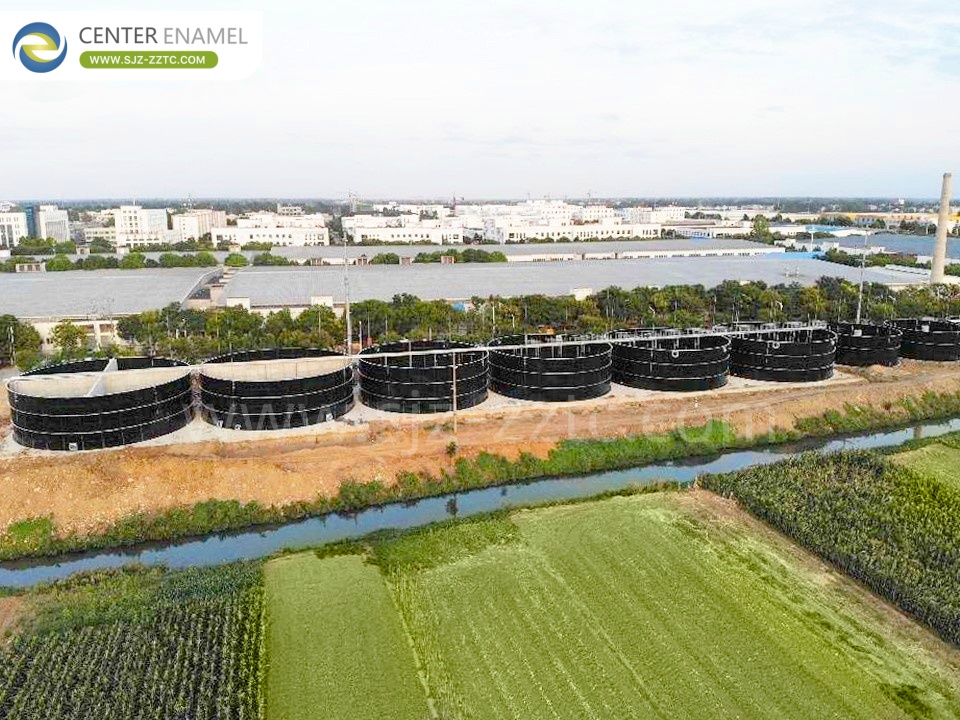
The process is fundamentally aerobic, meaning it requires oxygen to function. It is a suspended-growth system, distinguishing it from attached-growth processes like trickling filters. Since its development over a century ago, activated sludge has become the backbone of municipal and industrial wastewater treatment, capable of producing high-quality effluent when properly operated .
How the Activated Sludge Process Works: Step by Step
The activated sludge process relies on a carefully orchestrated sequence of physical and biological events. Understanding this flow is essential for anyone involved in wastewater operations.
Aeration and Biological Oxidation
Wastewater entering the treatment plant-often after primary sedimentation-flows into an aeration tank. Here, it is mixed with "return activated sludge" (RAS), a concentrated population of microorganisms recycled from the previous cycle. Air is injected through diffusers or mechanical aerators to supply oxygen and keep the microbial flocs in suspension . This mixture of wastewater and biomass is called "mixed liquor."
Inside the aeration tank, the microorganisms metabolize soluble organic matter. They use the organics as food, converting them into energy for growth and reproduction. The end products are oxidized compounds such as carbon dioxide, nitrates, and phosphates, along with new microbial cells .
Floc Formation and Secondary Clarification
A critical characteristic of activated sludge is the ability of microorganisms to clump together into dense aggregates called flocs. Floc formation is essential because it allows the biomass to be separated from the treated water . After a sufficient detention time in the aeration tank, the mixed liquor flows into a secondary clarifier.
In the clarifier, the flocs settle to the bottom under gravity. The clear, treated effluent overflows from the top and proceeds to disinfection or further treatment. The settled sludge at the bottom is continuously removed. A portion of this sludge is wasted to maintain a stable biomass inventory, while the majority is returned to the aeration tank as RAS . This recycle loop is what maintains the high concentration of active microorganisms needed for efficient treatment.
Key Components of an Activated Sludge System
A functional activated sludge system comprises several interconnected elements. The aeration tank provides the reaction volume where biological oxidation occurs. Its design-whether plug-flow, complete-mix, or sequencing batch-influences treatment performance .
The secondary clarifier is equally vital. It performs the solid-liquid separation that determines effluent quality. If flocs do not settle properly, solids escape with the effluent, violating discharge permits and defeating the purpose of treatment .
The return sludge system pumps settled biomass back to the aeration tank. The volume of return sludge is typically 40 to 60 percent of the incoming wastewater flow, though this varies by plant design . Finally, the waste sludge system removes excess biomass from the process. Without wasting, solids would accumulate indefinitely, eventually overwhelming the clarifier.
Types and Modifications of Activated Sludge Systems
Engineers have developed numerous modifications of the basic activated sludge process to address specific wastewater characteristics, space constraints, or treatment goals. The conventional system uses a plug-flow aeration tank with a moderate solids retention time (SRT). Step aeration introduces wastewater at multiple points along the tank, distributing oxygen demand more evenly and improving oxygen utilization .
Extended aeration operates with long detention times (typically 3 to 5 days) and low organic loading. This minimizes excess sludge production but requires larger tanks and more energy . High-rate systems use short detention times and high food-to-microorganism ratios, producing lower-quality effluent but requiring less tank volume .
Sequencing batch reactors (SBRs) combine aeration, settling, and decanting in a single tank operated on a timed cycle. They offer operational flexibility and high removal efficiency . Pure oxygen systems use high-purity oxygen instead of air, reducing power costs and tank volume while improving biokinetics .
Table 1: Comparison of Common Activated Sludge Modifications
| Modification | Typical SRT | Key Advantage | Primary Limitation |
| Conventional | 3–15 days | Reliable, good effluent quality | Moderate sludge production |
| Extended Aeration | 15–30+ days | Low net sludge production | High energy and land costs |
| High-Rate | < 3 days | Small footprint, high BOD removal rate | Lower effluent quality, high sludge yield |
| SBR | Varies | Flexibility, single-tank operation | Requires precise cycle control |
| Pure Oxygen | Varies | Reduced tank volume, efficient oxygen transfer | Complex gas handling systems |
Activated Sludge vs. Anaerobic Digestion: Key Differences
While both processes involve microorganisms and the breakdown of organic matter, activated sludge and anaerobic digestion serve fundamentally different purposes and operate under opposite conditions. Confusion between the two is common, so clarifying their distinctions is important.
Oxygen and Biology
The most obvious difference is the presence of oxygen. Activated sludge is an aerobic process: oxygen is continuously supplied to support microbial respiration . Anaerobic digestion occurs in the complete absence of oxygen. The microbial communities are entirely different-anaerobes versus aerobes-and the biochemical pathways are distinct.
Purpose and Products
Activated sludge is primarily a wastewater treatment process. Its goal is to remove organic pollutants and nutrients from water so that the effluent can be safely discharged or reused. The primary byproduct is waste activated sludge (WAS), which itself requires further treatment and disposal .
Anaerobic digestion, in contrast, is a sludge stabilization process. It is typically applied to the sludge produced by activated sludge and other treatment processes. Its purpose is to reduce sludge volume, destroy pathogens, and produce biogas-a renewable energy source composed mainly of methane and carbon dioxide . The digested sludge is more stable and less odorous than raw sludge.
Operational Conditions
Activated sludge systems operate at ambient temperatures with hydraulic retention times measured in hours. Anaerobic digesters require elevated temperatures (typically 35°C for mesophilic digestion) and retention times of 20 to 30 days or more to achieve adequate stabilization . The energy balance also differs: activated sludge consumes significant energy for aeration, while anaerobic digestion produces energy in the form of biogas.
Table 2: Activated Sludge vs. Anaerobic Digestion at a Glance
| Feature | Activated Sludge | Anaerobic Digestion |
| Oxygen Requirement | Requires continuous aeration | Operates without oxygen |
| Primary Purpose | Wastewater treatment (pollutant removal) | Sludge stabilization and biogas production |
| Microbial Type | Aerobic bacteria and protozoa | Methanogens and acidogenic bacteria |
| Key Product | Treated effluent and waste sludge | Biogas (CH₄ + CO₂) and digested biosolids |
| Typical Retention Time | 4–24 hours | 20–30+ days |
| Net Energy | Consumer of energy (aeration) | Producer of energy (biogas) |
Common Operational Challenges: Bulking and Foaming
Despite its effectiveness, activated sludge is susceptible to operational problems that can degrade performance. The most persistent issues relate to poor sludge settleability.
Bulking occurs when the sludge fails to compact properly in the clarifier. The two main types are filamentous bulking, caused by excessive growth of filamentous bacteria, and non-filamentous (viscous) bulking, caused by excessive extracellular polysaccharide production . Bulking results in a high sludge volume index (SVI), meaning the sludge occupies too much volume and may overflow the clarifier.
Foaming is characterized by stable froth on aeration tanks and clarifiers. It is often associated with specific filamentous organisms such as Microthrix parvicella and Nocardia species . Foam can create safety hazards on walkways and interfere with plant operations .
Control strategies include adjusting the solids retention time, modifying aeration intensity, using selective foam control agents, and in severe cases, adding chemicals or implementing structural modifications to the treatment train.
Advantages and Limitations of Activated Sludge
The activated sludge process offers compelling benefits that explain its dominance in wastewater treatment. It is flexible and highly controllable, capable of adapting to varying loading conditions and achieving high removal efficiencies for BOD, suspended solids, and nutrients . With sufficient SRT, it can accomplish nitrification and biological phosphorus removal. The process produces a clear, low-solids effluent when operating properly.
However, these benefits come with tradeoffs. Activated sludge is operator-intensive. It requires qualified personnel to monitor and adjust the biological system, and its dynamic response to shock loads can be sluggish . Energy costs are significant due to aeration requirements. Sludge production is unavoidable; the process generates excess biomass that must be wasted, thickened, and ultimately disposed of or digested. Finally, the process is vulnerable to bulking and foaming, which can disrupt operations and require corrective action .
FAQ
What is the difference between activated sludge and return activated sludge (RAS)?
Activated sludge is the general term for the microbial biomass in the aeration tank. Return activated sludge (RAS) specifically refers to the settled biomass collected from the secondary clarifier and pumped back to the aeration tank to maintain the treatment process. RAS is essentially a concentrated form of activated sludge that is recycled to keep the microbial population high enough for effective treatment .
Why is oxygen necessary in the activated sludge process?
Oxygen is essential because the microorganisms that drive treatment are aerobic. They use oxygen for respiration, the same way humans do, to metabolize organic matter and generate energy for growth and reproduction . Without sufficient dissolved oxygen-typically maintained at around 2 mg/L in the mixed liquor-the aerobic bacteria cannot function efficiently, and undesirable organisms may proliferate, leading to poor treatment performance.
How does activated sludge differ from anaerobic digestion in purpose?
Activated sludge is a wastewater treatment process designed to remove pollutants from water so it can be safely discharged. Anaerobic digestion is a sludge treatment process designed to stabilize the solids produced by activated sludge and other processes, reducing their volume and producing biogas as a valuable byproduct . In a typical treatment plant, activated sludge comes first, and anaerobic digestion handles the sludge that activated sludge generates.