
What Is Agricultural Waste? A Complete Guide to Treatment and Biogas Solutions
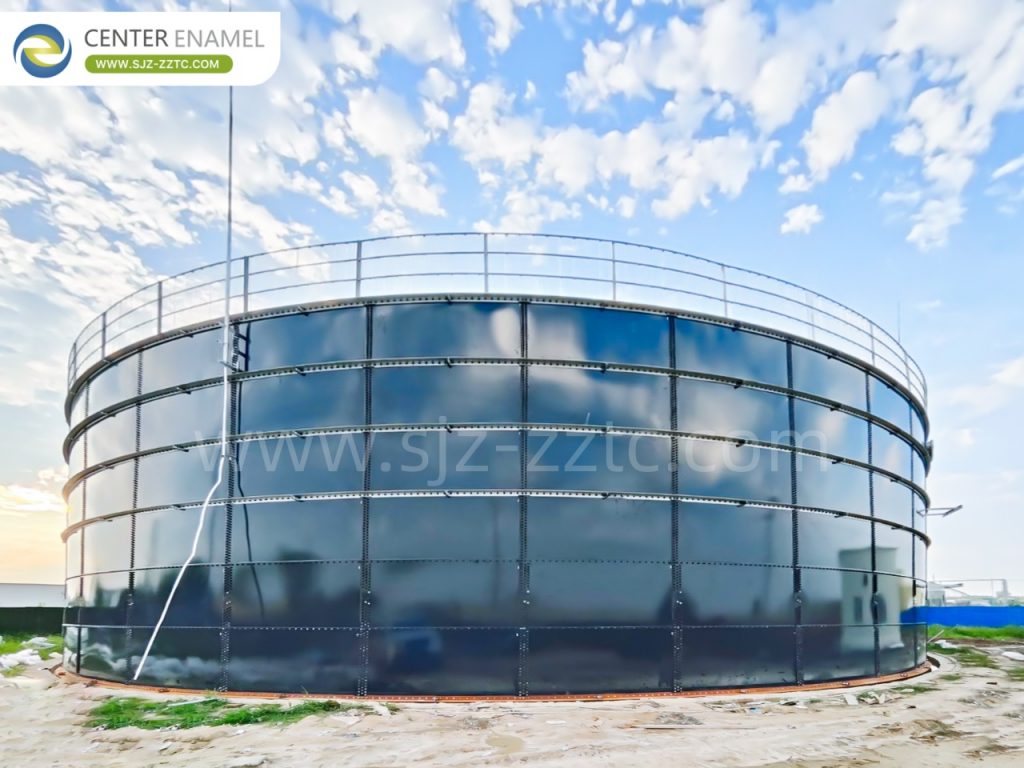
Agricultural waste refers to all types of organic by-products generated during agricultural production processes. These wastes encompass residues from both crop farming and animal husbandry operations . In crop farming, agricultural waste includes leaves, straw, husks, shells, hulls, and stalks left in fields after harvest. In animal farming, it includes manures, slurries, poultry litter, and animal bedding materials .
The composition of agricultural waste varies significantly depending on the source. Crop residues typically consist of 35–50% cellulose, 25–30% lignin, and 25–30% hemicellulose . Livestock wastes—including chicken litter, cow dung, and slurry—have high nitrogen content, making them particularly suitable as substrates for biogas and biofertilizer production .
Agricultural waste can be categorized into three main types along the agricultural value chain :
Primary wastes are residues remaining in fields after harvest, such as straw, stalks, cobs, and leaves
Secondary wastes (processing wastes) occur during product processing, including slaughterhouse wastes, milling residues, fruit peels, husks, and bagasse
Tertiary wastes are residues remaining after product use, including organic municipal residues and post-consumer wastes
The Environmental Challenge of Agricultural Waste
The global scale of agricultural waste generation is staggering. The United Nations Environment Programme (UNEP) estimates that the worldwide energy potential of all agricultural residues combined is equivalent to about 50 billion tons of oil . Yet despite this immense potential, most agricultural residues remain largely untapped globally.
When agricultural waste is improperly managed through open dumping or uncontrolled decomposition, it releases harmful greenhouse gases including methane and nitrous oxide. Additionally, agricultural wastewater—encompassing farmland drainage, effluents from livestock farming, and agricultural processing wastewater—is characterized by complex compositions and variable properties that impose high demands on treatment technologies . This can lead to contamination of water sources, soil degradation, and negative impacts on surrounding communities.
Agricultural Wastewater Treatment: Technologies and Benefits
Agricultural wastewater treatment has become a key component in promoting sustainable agricultural development, particularly against the backdrop of increasing global water scarcity . Widely applied methods include biological treatments, physicochemical treatments, and various integrated approaches that recover key nutrients such as nitrogen and phosphorus for reuse.
Biological Treatment: Anaerobic Digestion
Anaerobic digestion (AD) has emerged as a particularly effective and sustainable method for agricultural wastewater treatment. The process involves microorganisms breaking down organic matter in the absence of oxygen, producing methane-rich biogas and nutrient-rich digestate . Research confirms that anaerobic digestion constitutes a sustainable method for waste management and renewable energy generation, addressing significant environmental and societal challenges .
The benefits of anaerobic digestion for agricultural waste treatment include:
Waste Volume Reduction: Significantly reduces the volume of waste requiring disposal
Greenhouse Gas Mitigation: Captures methane that would otherwise escape into the atmosphere
Nutrient Recovery: Produces digestate that can be used as biofertilizer, reducing reliance on synthetic fertilizers
Energy Generation: Produces biogas—a controllable form of renewable energy
Economic and Environmental Gains
Recent studies demonstrate the economic and environmental viability of anaerobic digestion for agricultural waste. Research evaluating biodigesters of different capacities found that projects using agricultural waste achieved Net Present Values up to USD 9,063 and Internal Rates of Return up to 25.10%, with the potential to mitigate up to 36 tons of CO₂ equivalent emissions annually .
The comparative analysis of agricultural biogas plants versus municipal facilities shows that agricultural biogas plants often achieve slightly higher biogas yields (average 127 m³/ton) and methane concentrations (53.7–55.1%) compared to municipal plants processing biowaste . Agricultural digestate also shows higher nutrient content, making it more valuable as biofertilizer.
The Full Agricultural Waste-to-Biogas Process
Pre-treatment Stage
Agricultural waste processing begins with pre-treatment to prepare feedstock for anaerobic digestion. This may include mechanical pre-treatment for contaminant removal, homogenization, and adjustment of dry matter content. The type and extent of pre-treatment depends on the feedstock characteristics—whether processing manure, crop residues, or agri-food processing residues .
Anaerobic Digestion in CSTR Systems
The core technology for agricultural waste treatment is the CSTR (Continuous Stirred-Tank Reactor) . This anaerobic treatment technology maintains fermentation materials and microorganisms in a fully mixed state within a closed tank. Through continuous or semi-continuous feeding at a constant temperature, the highly concentrated organic waste is maintained in a complete-mix state with anaerobic microbes, maximizing organic matter degradation and biogas yields.
Agricultural biogas plants typically process farm-origin feedstocks including slurry, manure, maize silage, and residues from agri-food processing . Their operation fits the needs of rural areas, enabling surplus biomass management, energy recovery, and improved environmental conditions.
Biogas Utilization and Digestate Management
The biogas produced can be combusted in Combined Heat and Power (CHP) units for simultaneous electricity and heat production. Due to biogas storage capability and on-demand CHP operation, this represents the most controllable form of renewable energy .
The digestate—residual material after fermentation—constitutes a high-quality substance that can be used in soil fertilization. It is characterized by high organic matter and nutrient contents, improving soil quality, increasing crop productivity, and reducing the need for synthetic mineral fertilizers .
Center Enamel: Your Trusted One-Stop Solution for Agricultural Waste Treatment
Center Enamel is a global leader in water, wastewater, and biogas solutions. As the largest manufacturer of Glass-Fused-to-Steel (GFS) tanks in Asia, with a 150,000m² R&D and production base, over 500 employees, and more than 250,000 tank sheets produced annually, we provide comprehensive solutions for agricultural waste-to-energy projects worldwide.
Advanced Agricultural Waste Tanks
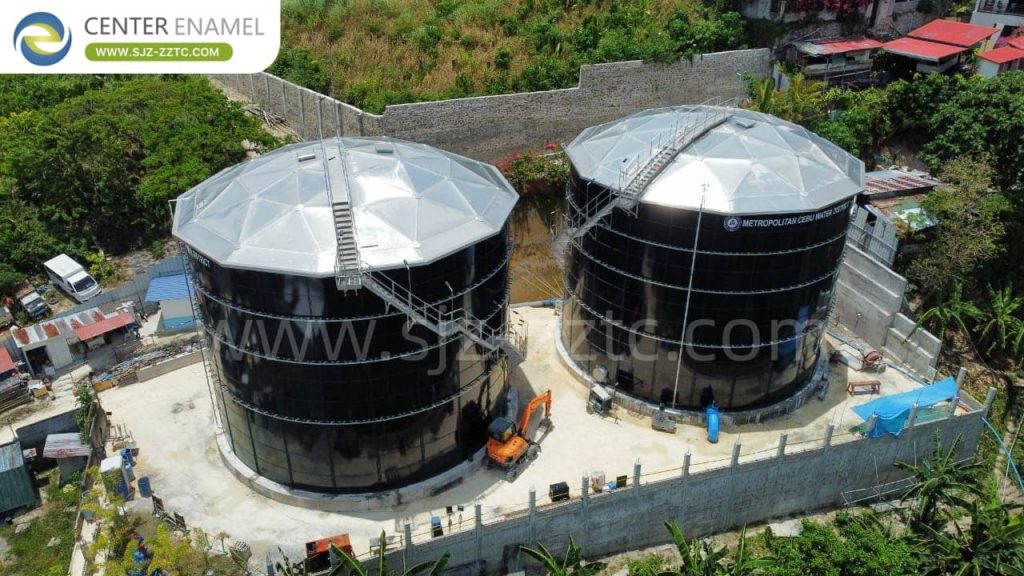
Our Agricultural Waste Tanks are specifically designed to meet the challenges of storing and processing organic waste from agricultural operations . Engineered for efficiency, durability, and cost-effectiveness, these tanks offer superior storage solutions for agricultural by-products such as manure, crop residues, and other organic waste materials.
Key features include:
Durability: Constructed from Glass-Fused-to-Steel (GFS) materials that are corrosion-resistant and designed for long-lasting performance. The GFS technology combines the best qualities of glass and steel, resisting the corrosive effects of agricultural waste including organic acids and gases
Excellent Sealing: Advanced sealing technologies prevent leaks and ensure safe containment of waste materials with minimal risk of contamination
Optimized for Biogas Production: Creates ideal conditions for anaerobic digestion, allowing agricultural operations to convert waste into renewable energy
Comprehensive EPC Services
Center Enamel is not just a manufacturer but a comprehensive EPC (Engineering, Procurement, and Construction) contractor. We handle every stage of your agricultural waste treatment project—from initial site assessment and feedstock analysis to process design, equipment manufacturing, shipping, installation, and commissioning. This turnkey approach ensures a single point of accountability, simplifying project management and ensuring quality delivery.
Supporting Equipment Portfolio
Beyond our core GFS tanks, Center Enamel supplies a full suite of supporting equipment for agricultural waste projects:
Gas holders for safe biogas storage
Solid-liquid separators for digestate processing
Torch systems for safe gas flaring
Dehydration and desulfurization tanks for biogas purification
Compost fermentation tanks for converting organic waste into organic fertilizer
Global Expertise and Certifications
With successful projects delivered in over 100 countries and full certification to international standards including ISO 9001, CE, NSF/ANSI 61, and AWWA D103, Center Enamel provides world-class quality and reliability. Our innovative technology, advanced manufacturing processes, and commitment to sustainability make us the ideal partner for agricultural businesses looking to optimize waste management and maximize renewable energy production .
Conclusion
Agricultural waste represents one of the world's largest untapped renewable energy resources—with an estimated energy potential equivalent to 50 billion tons of oil. By transforming agricultural residues and wastewater through anaerobic digestion, we can simultaneously reduce environmental pollution, generate renewable energy, and produce valuable biofertilizer.
Center Enamel stands ready to support this transformation with over 36 years of experience, world-class GFS tank technology, and comprehensive EPC services. Whether you are managing livestock manure, crop residues, or agri-food processing waste, our biogas solutions can turn your agricultural waste challenge into a profitable renewable energy asset. Partner with Center Enamel and transform waste into value—for your farm, your community, and the planet.
Frequently Asked Questions (FAQs)
1. What types of agricultural waste are suitable for biogas production?
Agricultural waste suitable for biogas production includes livestock manure (cow dung, pig slurry, poultry litter), crop residues (straw, stalks, cobs, leaves), and agri-food processing residues (fruit peels, bagasse, vegetable waste). These materials have high organic content and are biodegradable through anaerobic digestion .
2. What is agricultural wastewater and why does it need treatment?
Agricultural wastewater encompasses farmland drainage, effluents from livestock and poultry farming, and agricultural processing wastewater. These waste streams are characterized by complex compositions and high organic loads that can contaminate water sources if untreated. Treatment recovers nutrients and enables water reuse while preventing environmental pollution .
3. How does Center Enamel support agricultural waste-to-energy projects?
Center Enamel provides comprehensive EPC (Engineering, Procurement, and Construction) services for agricultural waste projects, including Glass-Fused-to-Steel tanks for anaerobic digestion, gas holders, separators, and biogas purification equipment. With over 30 years of experience and international certifications, we deliver complete turnkey solutions for agricultural waste management and energy recovery .