
What is an Aeration Tank in Wastewater Treatment?
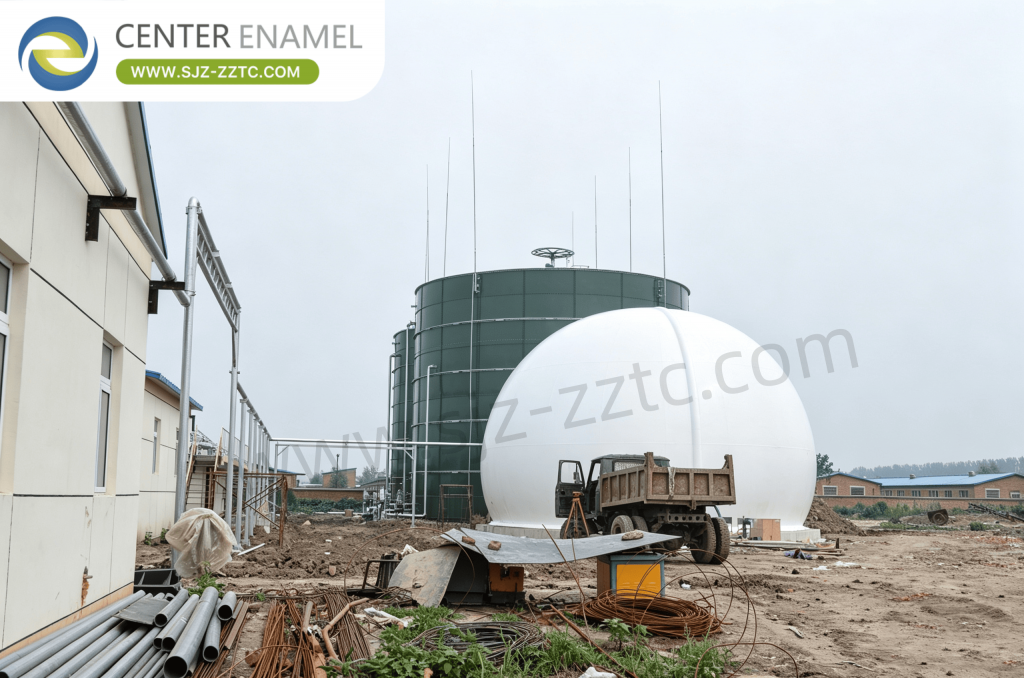
An aeration tank is a critical component of biological wastewater treatment systems, specifically within the activated sludge process. Its primary function is to mix wastewater with air or pure oxygen, fostering the growth of aerobic microorganisms. These microorganisms consume organic pollutants, breaking them down into carbon dioxide, water, and new biomass. By maintaining a high concentration of dissolved oxygen, the aeration tank accelerates the natural purification process, transforming raw sewage or industrial effluent into cleaner, treated water.
The Core Mechanisms of Biological Aeration
Inside the aeration tank, complex biochemical reactions take place continuously. Wastewater enters the basin where fine-bubble or coarse-bubble diffusers introduce a steady stream of air from the bottom. This aeration serves a dual purpose: it supplies the vital oxygen needed by aerobic bacteria to metabolize organic matter, and it provides rigorous mixing to keep the biomass (activated sludge) in suspension. Without uniform mixing and consistent oxygen transfer, dead zones would form, drastically reducing the treatment plant's overall efficiency.
Why Tank Material Matters in Wastewater Engineering
The operational environment inside a biological wastewater treatment plant is notoriously aggressive. Tanks are continually exposed to moisture, fluctuating pH levels, abrasive sludges, and corrosive chemical compounds. Traditional concrete structures are prone to cracking, spalling, and chemical degradation over time, leading to expensive maintenance and potential environmental leaks. Consequently, modern engineering demands advanced containment solutions that offer superior structural longevity, chemical inertness, and rapid construction timelines.
Advantages of GFS Tanks in Wastewater Treatment
Glass-Fused-to-Steel (GFS) tanks-also known as glass-lined steel tanks-have emerged as the gold standard for contemporary wastewater infrastructure. By fusing specialized glass enamel to high-strength structural steel at extreme temperatures ranging from 820°C to 930°C, manufacturers create a composite material that marries the mechanical strength of steel with the chemical resistance of glass.
Superior Corrosion Resistance: The inert glass coating acts as an impenetrable barrier against harsh industrial waste streams, preventing rust, pitting, and chemical breakdown.
Smooth, Non-Porous Surface: The glass surface inhibits biological buildup and sludge adhesion, making routine cleaning easier and enhancing hydraulic efficiency.
Rapid Modular Installation: Prefabricated bolted panels allow for swift on-site assembly using standard crews, drastically cutting down project delivery times compared to poured concrete.
Cost-Effectiveness and Scalability: GFS tanks require minimal long-term maintenance, offer a service lifespan exceeding 30 years, and can be easily expanded or relocated if facility needs change.
Center Enamel: Your Trusted Wastewater Solutions Provider
When executing large-scale environmental engineering projects, partnering with an experienced manufacturer is paramount. Center Enamel stands out as a globally recognized leader in the design, fabrication, and supply of bolted storage tanks and wastewater treatment equipment. With decades of specialized industry experience, Center Enamel delivers comprehensive, custom-engineered solutions tailored to meet stringent international standards such as AWWA D103-09, OSHA, and ISO9001.
From initial design consultation to manufacturing and on-site technical support, Center Enamel provides turnkey capabilities for municipal sewage plants, industrial effluent systems, and anaerobic digestion projects across more than 100 countries. Their commitment to high performance, material innovation, and strict quality control ensures that every aeration tank or equalization basin operates reliably under the most demanding conditions.
Comprehensive Wastewater Treatment Applications
Beyond serving as dedicated aeration basins, GFS technology accommodates a vast array of processes across the entire treatment chain. Center Enamel's robust tank systems are widely deployed as:
Flow equalization (EQ) and regulation tanks to balance variable influent loads
Anaerobic reactors and UASB systems for high-strength organic wastewater
Sedimentation and clarification tanks for solids separation
Sludge holding and thickener tanks for residual waste management
Tertiary filtration and treated water reuse storage systems
Future Trends in Aeration Tank Design
As environmental regulations tighten globally, wastewater treatment facilities face increasing pressure to optimize energy consumption and minimize their carbon footprint. Future aeration tank designs focus heavily on high-efficiency aeration grids, smart dissolved oxygen (DO) monitoring systems, and advanced material science. Utilizing durable, low-maintenance GFS structures ensures that treatment plants can integrate these modern technological upgrades seamlessly while maintaining structural integrity for decades to come.
Frequently Asked Questions (FAQs)
What is the main purpose of an aeration tank?
An aeration tank provides oxygen and mixing to wastewater, enabling aerobic bacteria to break down organic pollutants effectively.
Why choose GFS tanks over concrete tanks for wastewater treatment?
GFS tanks offer superior corrosion resistance, a longer service life, lower maintenance costs, and much faster on-site bolt-together installation.
What industries benefit most from Center Enamel's solutions?
Municipal sewage plants, chemical processing facilities, food and beverage manufacturers, and agricultural biogas plants benefit greatly.
This video highlights Center Enamel's manufacturing capabilities and global standards for storage tanks used in wastewater applications.