
What Is an Aerobic Tank? Essential Role in A2O Process & Wastewater Treatment
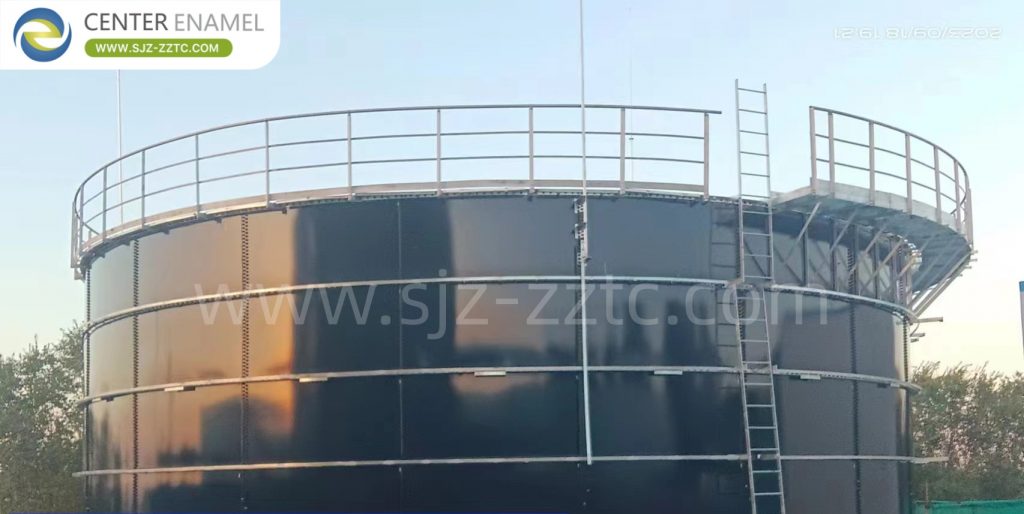
An aerobic tank is a biological reactor used in wastewater treatment where oxygen is continuously supplied to promote the growth of aerobic microorganisms. These bacteria break down organic pollutants and convert harmful ammonia into nitrates through a process called nitrification. The aerobic tank represents one of the three core stages in the widely adopted Anaerobic-Anoxic-Oxic (A2O) Process and serves as the powerhouse for organic removal and nitrogen conversion in modern sewage treatment plants .
The Science Behind Aerobic Tanks
Aerobic tanks operate by maintaining dissolved oxygen (DO) levels typically around 3 mg/L, creating an environment where oxygen-loving bacteria thrive . Through continuous aeration—using diffusers or surface aerators—these microorganisms oxidize organic matter into carbon dioxide, water, and new biomass. Research has demonstrated that aerobic tanks can achieve BOD removal efficiencies exceeding 85% and successfully convert more than 96% of organic and ammonia nitrogen into nitrate nitrogen, making them indispensable for biological nutrient removal . The key chemical reactions occurring in an aerobic tank include the oxidation of organic matter (C₆H₁₂O₆ + 6O₂ → 6CO₂ + 6H₂O) and the nitrification of ammonia (NH₄⁺ + 2O₂ → NO₃⁻ + H₂O + 2H⁺).
The Aerobic Tank in the A2O Process
The A2O Process represents one of the most widely used biological nutrient removal configurations in municipal wastewater treatment. In this system, the aerobic tank serves a specific and essential purpose: nitrification and organic polishing .
The process flow follows a carefully designed sequence:
Anaerobic Tank: Wastewater first enters the anaerobic tank where phosphorus-accumulating organisms release phosphorus and store carbon substrates.
Anoxic Tank: The mixed liquor then flows to the anoxic tank, where denitrifying bacteria convert nitrate-nitrogen into nitrogen gas.
Aerobic Tank: Finally, the anoxic tank effluent moves to the aerobic tank, where aerobic bacteria oxidize remaining organic matter and convert ammonia to nitrate through nitrification .
Research has shown that the oxic tank serves as the primary site for surfactant removal and phosphorus uptake by bacteria, contributing significantly to overall treatment efficiency . Some treatment systems have achieved total COD removal efficiencies of 96.35% using the A2O configuration, with the aerobic tank playing a central role in polishing the effluent .
Key Functions of the Aerobic Tank
The aerobic tank performs three critical functions in wastewater treatment:
Nitrification: The most important role of the aerobic tank is converting ammonia nitrogen (NH₄⁺) into nitrate nitrogen (NO₃⁻). This two-step biological process is carried out by specialized nitrifying bacteria (Nitrosomonas and Nitrobacter) that require oxygen to survive and function .
Organic Matter Oxidation: Aerobic microorganisms decompose biodegradable organic pollutants, reducing BOD and COD levels significantly. Studies have documented that aerobic tanks can achieve more than 85% removal of initial BOD .
Phosphorus Uptake: Phosphorus-accumulating organisms in the aerobic tank take up excess phosphorus from the wastewater, storing it within their cells. This biological phosphorus removal is a key advantage of the A2O system .
Design Considerations for Aerobic Tanks
Effective aerobic tank design requires careful attention to several factors:
Hydraulic Retention Time (HRT): Typical HRT for aerobic tanks in the A2O process is approximately 4 hours, allowing sufficient contact between microorganisms, oxygen, and pollutants .
Dissolved Oxygen Control: Maintaining adequate DO levels (typically 2-4 mg/L) is critical for optimal nitrification. Advanced aeration control systems can adjust oxygen supply based on real-time nitrate concentration measurements, improving treatment efficiency .
Aeration Equipment: Fine bubble diffusers are commonly used for efficient oxygen transfer. In some innovative designs, modified aeration using mixed gas (landfill gas and air) has been applied to reinforce COD removal and nitrification .
Temperature Sensitivity: Nitrifying bacteria are sensitive to temperature fluctuations. Seasonal variations have been shown to affect COD and BOD removal efficiencies, with winter conditions often presenting challenges .
Aerobic Tank Variations and Configurations
Different aerobic tank configurations have been developed to suit specific treatment needs:
Complete Mix Aerobic Tanks: Provide uniform distribution of oxygen and substrate throughout the tank.
Plug Flow Aerobic Tanks: Offer a gradient of organic loading and oxygen demand along the tank length.
Carrier-Enhanced Aerobic Tanks: Some modern systems supplement fluidized-carriers into the aerobic tank to enhance nitrogen removal. Research has shown that this approach can reduce total nitrogen effluent concentrations from 15.17 mg/L to 9.46 mg/L .
MBBR (Moving Bed Biofilm Reactor) Aerobic Tanks: Combine suspended growth and biofilm technologies for enhanced performance .
Challenges and Optimization
Despite its effectiveness, aerobic tank operation faces challenges that require careful management:
Oxygen Transfer Efficiency: Inadequate aeration can lead to partial nitrification and high ammonia levels in effluent .
Toxic Shock Loads: Industrial discharges or chemical spills can inhibit nitrifying bacteria activity.
High Energy Consumption: Aeration accounts for a significant portion of a treatment plant's operational costs.
Carbon Source Availability: Limited biodegradable carbon in the influent can affect denitrification in the subsequent anoxic stage .
Center Enamel: Your One-Stop Wastewater Treatment Solutions Provider
Center Enamel is a global leader in the design and manufacturing of advanced wastewater treatment infrastructure, including high-quality aerobic tanks essential for biological nutrient removal systems. Our commitment to excellence is backed by our extensive engineering capabilities:
Superior Corrosion Resistance: Our Glass-Fused-to-Steel (GFS) technology fuses high-tech glass enamel to specialized steel at temperatures exceeding 820°C, creating an inert, non-porous surface . This provides unparalleled resistance to the corrosive environment of aerobic wastewater treatment, ensuring long-term reliability.
Engineered for Performance: Each tank is precision-engineered to meet the specific hydraulic and biological requirements of aerobic treatment processes. Whether configured as complete mix or plug flow systems, our designs optimize oxygen transfer and maximize treatment efficiency.
Modular Bolted Design: Our tanks are delivered as prefabricated panels for rapid on-site assembly . This significantly reduces installation time and costs compared to cast-in-place alternatives, while also allowing for easy future expansion as treatment needs evolve.
Aluminum Dome Roofs: For aerobic tanks where gas capture is not required, Center Enamel provides specialized Aluminum Dome Roofs. Constructed from high-strength aluminum alloy, these self-supporting structures are naturally resistant to the humid and corrosive atmosphere found in wastewater environments . They provide essential odor control and prevent rainwater from entering the tank.
Comprehensive Solutions: Center Enamel provides complete treatment systems—from anaerobic and anoxic tanks to aerobic reactors, sludge handling, and advanced gas management—all engineered to work together seamlessly across municipal, industrial, and agricultural applications .
Global Expertise with Local Support: With a manufacturing capacity exceeding 300,000 tank sheets annually and a project footprint extending to more than 100 countries, our team brings decades of experience to deliver reliable, bankable solutions that meet rigorous international standards including AWWA D103-09, ISO 28765, and NSF/ANSI 61 .
Partner with Center Enamel to design and deliver aerobic wastewater treatment systems that ensure regulatory compliance, protect valuable water resources, and achieve long-term operational excellence.
Frequently Asked Questions
1. What is the difference between an aerobic tank and an anoxic tank in wastewater treatment?
An aerobic tank contains dissolved oxygen (typically 2-4 mg/L) to support aerobic bacteria that perform nitrification and organic oxidation. An anoxic tank lacks free oxygen but contains bound oxygen in nitrates, enabling denitrification bacteria to convert nitrates to nitrogen gas. The aerobic tank produces nitrates; the anoxic tank consumes them .
2. Why is aeration so important in an aerobic tank for municipal sewage treatment?
Aeration supplies the dissolved oxygen that aerobic bacteria need to break down organic pollutants and convert harmful ammonia into nitrates. Ineffective aeration can lead to poor treatment performance, high ammonia levels in effluent, and potential environmental violations. Aeration typically accounts for a significant portion of the operational costs of a wastewater treatment plant .
3. How does the aerobic tank contribute to phosphorus removal in the A2O Process?
The aerobic tank is the site where phosphorus-accumulating organisms take up excess phosphorus from the wastewater and store it within their cells. This biological phosphorus removal occurs after the organisms have released phosphorus in the anaerobic tank—a process that requires oxygen. The sludge containing the stored phosphorus is then removed from the system, reducing the phosphorus load in the final effluent .