
What Is an Upflow Solids Reactor (USR)? Principles, Applications, and Benefits
As industrial facilities face stricter environmental regulations and rising wastewater treatment costs, advanced biological systems have become essential. Among high-rate anaerobic technologies, the Upflow Solids Reactor (USR)—often referred to as an upflow sludge bed reactor—stands out as a highly efficient solution for treating high-strength organic industrial wastewater.
Understanding what a USR system is and how it functions is critical for environmental engineers and plant operators aiming to maximize organic pollutant removal while generating renewable energy.
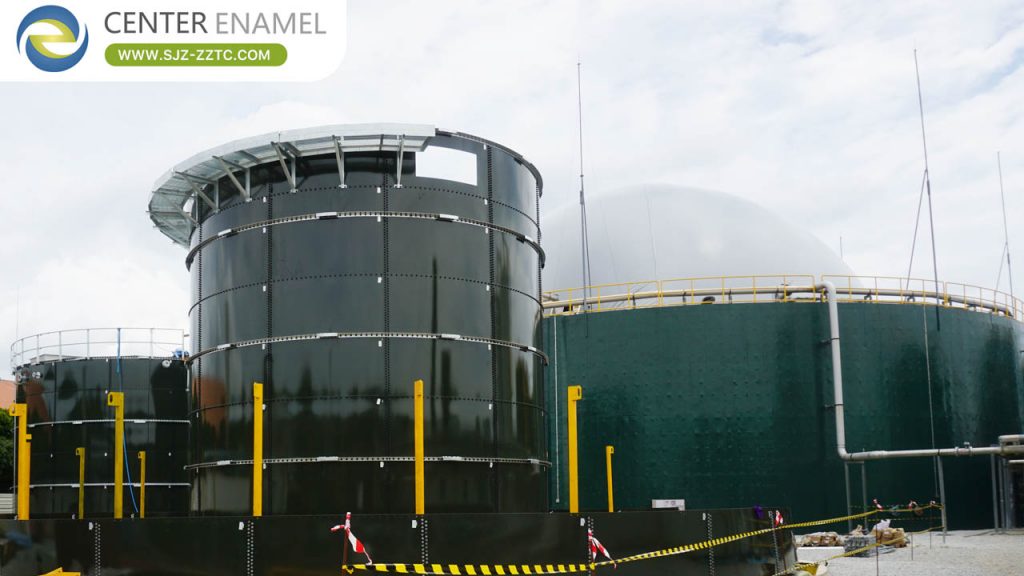
What Is an Upflow Solids Reactor (USR)?
An Upflow Solids Reactor (USR) is a specialized, enclosed vertical anaerobic bioreactor designed to break down heavy organic pollution in wastewater without the presence of dissolved oxygen. Unlike conventional aerobic treatment systems that require massive energy inputs for aeration, a USR utilizes a dense, self-regulating bed or blanket of anaerobic microorganisms (sludge) suspended within the reactor tank.
Wastewater is introduced from the bottom of the vessel and forced to flow uniformly upward. As the organic-rich water percolates through the active microbial bed, bacteria metabolize the pollutants, converting them into clean water, carbon dioxide, and methane-rich biogas.
How a USR System Works: Step-by-Step Mechanism
The operational workflow of an Upflow Solids Reactor is structured around continuous hydrodynamic and biological phases:
- Influent Distribution at the Base: Raw, high-strength wastewater enters the bottom of the vertical tank through a specialized distribution system designed to ensure even, dead-zone-free flow across the entire cross-section.
- Upward Flow Through the Sludge Bed: As the water flows upward, it passes through a high-concentration zone of active anaerobic biomass (sludge blanket). This intimate physical and biological contact maximizes mass transfer and rapid degradation of complex organic compounds (BOD and COD).
- Anaerobic Digestion & Biogas Generation: Specialized acidogenic and methanogenic bacteria break down complex carbohydrates, proteins, and lipids into biogas, which consists primarily of methane ($CH_4$) and carbon dioxide ($CO_2$).
- Three-Phase Separation: Near the top of the reactor, a gas-liquid-solid (three-phase) separation device traps and collects the rising biogas, allows treated water (supernatant) to overflow into collection troughs, and settles biological solids back into the active zone.
Key Advantages of USR Technology
- High Organic Loading Capacity: USR reactors can process extremely high concentrations of Chemical Oxygen Demand (COD) and Biochemical Oxygen Demand (BOD) that would overwhelm conventional treatment plants.
- Renewable Energy Recovery: By capturing methane-rich biogas, industrial plants can utilize the gas to power boilers or combined heat and power (CHP) generators, transforming waste treatment into a net energy-producing asset.
- Compact Vertical Footprint: Unlike land-intensive open lagoons or sprawling secondary settling basins, the vertical design of USR systems requires a minimal spatial footprint.
- Complete Odor and Emission Control: Fully enclosed tank architecture prevents open-air foul odors and stops fugitive greenhouse gas leaks.
Comparative Data Table: Upflow Solids Reactor (USR) vs. Conventional Open Ponds
| Evaluation Parameter | Upflow Solids Reactor (USR) | Conventional Open Anaerobic Ponds |
| Spatial Footprint | Compact, vertical modular design | Massive land area requirement |
| COD Removal Efficiency | High (85% to 92%+) | Moderate (50% to 70%) |
| Biogas & Energy Recovery | Fully captured and utilized for power/heat | Uncontrolled fugitive release (greenhouse gas risk) |
| Odor & Environmental Control | 100% enclosed, odorless, and secure | High odor emissions and risk of groundwater seepage |
| Hydraulic Retention Time (HRT) | Short retention time (hours to days) | Extremely long retention time (weeks to months) |
Primary Industrial Applications
Due to its high organic tolerance and energy recovery benefits, the USR system is widely deployed across demanding industrial sectors, including:
- Palm Oil Mills: Treating high-strength Palm Oil Mill Effluent (POME) laden with suspended solids and residual oils.
- Fermentation & Bio-Ethanol Plants: Managing ultra-high COD streams generated by MSG, alcohol, and pharmaceutical manufacturing.
- Food and Beverage Processing: Handling concentrated wastewater from breweries, dairies, and slaughterhouses.
- Chemical and Pulp Industries: Breaking down complex, biodegradable industrial organic waste.
Frequently Asked Questions (FAQ)
Q1: What is the primary purpose of an Upflow Solids Reactor (USR)?
A: The primary purpose of a USR is to treat high-strength industrial wastewater anaerobically, achieving high rates of organic pollutant (COD/BOD) removal while capturing renewable methane biogas.
Q2: How does wastewater flow through a USR reactor?
A: Wastewater enters from the bottom of the reactor and flows uniformly upward through a dense bed of active anaerobic microorganisms, ensuring maximum contact time between bacteria and organic pollutants.
Q3: Can USR treated wastewater be discharged directly into natural water bodies?
A: While USR systems remove the vast majority of organic loads (85%–92%+), the effluent typically requires secondary aerobic polishing or membrane filtration to meet strict environmental standards for direct surface water discharge.