
What Is Anaerobic Digestion Good For? Benefits, Applications & Biogas Solutions
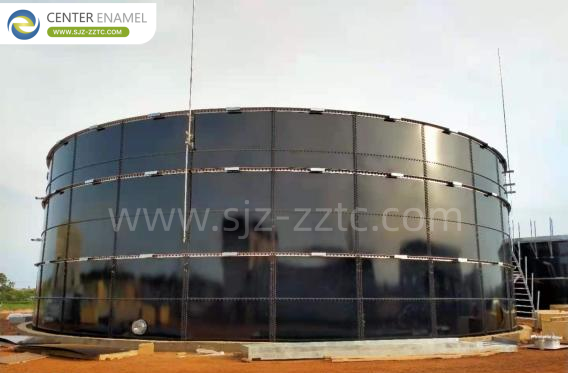
In an era of rising energy costs, stricter environmental regulations, and growing demand for sustainable farming practices, one technology stands out for its ability to solve multiple problems simultaneously: anaerobic digestion. But what is anaerobic digestion good for? The answer spans renewable energy generation, waste management, odor control, greenhouse gas reduction, fertilizer production, and regulatory compliance. Anaerobic digestion is not a single-purpose technology-it is a multi-benefit platform that turns organic waste into valuable resources.
This article explores the full range of applications and benefits of anaerobic digestion, explains why the CSTR Process (Continuous Stirred-Tank Reactor) is the most effective method, and shows how GFS Tanks and Double Membrane Roofs from Center Enamel deliver reliable, turnkey Biogas Solutions for farms, industry, and municipalities worldwide.
What Is Anaerobic Digestion? A Quick Overview
Before answering “what is anaerobic digestion good for?” it helps to understand how it works. Anaerobic digestion is a natural biological process in which microorganisms break down organic matter in the absence of oxygen. The process occurs in a sealed, heated tank called a digester. The end products are:
Biogas (approximately 60–70% methane, 30–40% carbon dioxide) – a renewable fuel
Digestate (liquid and solid fractions) – a nutrient-rich organic fertilizer
Effluent water – can be recycled or safely discharged after treatment
Unlike composting (which requires oxygen and releases carbon dioxide directly), anaerobic digestion captures methane-a potent greenhouse gas-and converts it into usable energy.
What Is Anaerobic Digestion Good For? 7 Key Benefits
1. Generating Renewable Energy (Biogas)
The most direct answer to “what is anaerobic digestion good for?” is producing biogas. Biogas can be used for:
Electricity generation – powering generators or combined heat and power (CHP) units
Direct heating – fueling boilers for barns, greenhouses, or industrial processes
Vehicle fuel – upgraded to biomethane and compressed for trucks or tractors
Grid injection – purified and fed into natural gas pipelines
For farms and businesses, biogas replaces purchased electricity, diesel, or natural gas-reducing operating costs and providing energy independence.
2. Managing Organic Waste Responsibly
Anaerobic digestion is excellent for processing various organic waste streams:
Livestock manure (cattle, pigs, poultry, sheep)
Food processing residues
Crop residues and agricultural waste
Municipal organic waste (source-separated organics)
Wastewater sludge
Instead of stockpiling or landfilling these materials, digestion reduces their volume, stabilizes them, and extracts energy.
3. Reducing Greenhouse Gas Emissions
Untreated organic waste decomposes anaerobically in open lagoons or landfills, releasing methane directly into the atmosphere. Methane is 25–28 times more potent than carbon dioxide over a 100-year period. By capturing this methane and burning it as biogas (converting it to CO₂, which is far less damaging), anaerobic digestion achieves significant greenhouse gas reductions. Many biogas projects qualify for carbon credits under voluntary or compliance markets.
4. Eliminating Odors
Raw manure and organic waste produce hydrogen sulfide, ammonia, and volatile organic compounds-the source of familiar farm odors. Anaerobic digestion in a sealed tank prevents these compounds from escaping. The resulting digestate has a much milder, earthy smell, making farms better neighbors to surrounding communities.
5. Producing High-Quality Organic Fertilizer
Digestate retains the nitrogen, phosphorus, and potassium from the original waste but in a more plant-available form. Pathogens are significantly reduced, weed seeds are destroyed, and odors are minimized. Farmers can:
Apply liquid digestate directly to fields through irrigation systems
Separate solids for use as bedding, compost, or bagged soil conditioner
Reduce or eliminate synthetic fertilizer purchases
6. Protecting Water Quality
Raw manure applied to fields can run off during rain events, carrying nutrients and pathogens into streams, rivers, and groundwater. Anaerobic digestion stabilizes the waste, making nutrients less soluble and more likely to stay in the soil. Controlled digestate application reduces the risk of algal blooms and drinking water contamination.
7. Complying with Environmental Regulations
Governments worldwide are tightening rules on manure storage, land application, and emissions. In many jurisdictions, anaerobic digestion is recognized as a best available technology (BAT) for organic waste treatment. Installing a digester can help farms avoid fines, secure operating permits, and qualify for government incentives or renewable energy certificates.
The Best Technology: CSTR Process for Anaerobic Digestion
Not all anaerobic digesters perform equally. For liquid and semi-solid organic waste (manure slurry, food waste, wastewater), the CSTR Process (Continuous Stirred-Tank Reactor) is widely recognized as the most effective and reliable technology.
What Is the CSTR Process?
CSTR stands for Continuous Stirred-Tank Reactor. In this system, organic waste is fed continuously (or semi-continuously) into a sealed tank equipped with mechanical stirrers. The stirrers keep the contents constantly mixed, preventing solids from settling, scum from forming, and temperature gradients from developing. The tank is heated to a stable mesophilic temperature (35–37°C) for optimal bacterial activity.
Why CSTR Is Good for Anaerobic Digestion
| Feature | Benefit |
| Continuous mixing | Prevents settling and scum formation |
| Uniform temperature | Maximizes bacterial activity and biogas yield |
| Handles high solids | Works with 8–12% total solids without dilution |
| Stable operation | Tolerates variations in feed composition |
| Proven track record | Thousands of installations worldwide |
If you ask “what is anaerobic digestion good for?” and want the most dependable answer, the CSTR Process delivers the highest biogas yields, lowest maintenance requirements, and longest operational life.
Essential Infrastructure: GFS Tanks and Double Membrane Roof
To house the CSTR Process safely and efficiently, high-quality tankage and gas collection are essential. This is where GFS Tanks and Double Membrane Roofs come into play.
GFS Tanks (Glass-Fused-to-Steel) are bolted steel panels coated with a glass layer fired at high temperature (800–950°C). The result is a hard, smooth, chemically inert surface that resists corrosion from hydrogen sulfide, organic acids, and ammonia. GFS tanks do not crack, leach, or require frequent recoating. With a production capacity of 250,000 sheets per year, Center Enamel delivers these tanks globally.
Double Membrane Roofs sit atop the GFS tank. The outer membrane withstands weather; the inner membrane forms a gas-tight seal. The space between them is pressurized with a small blower, maintaining the dome shape. This integrated design eliminates the need for a separate ground-mounted gas holder, saving land and foundation costs. For extreme weather locations, Center Enamel also offers a GFS roof option.
Complete Anaerobic Digestion System Components
A full-scale anaerobic digestion system for farms or industry includes more than just the digester. Center Enamel provides a complete equipment package:
| Component | Function |
| Gas Holder | Stores biogas to balance production with demand |
| Black Membrane | Lined lagoons for secondary containment or storage |
| Solid-liquid Separator | Divides digestate into solid and liquid fractions |
| Torch System | Safely combusts excess biogas |
| Lifting Pump | Transfers waste between treatment stages |
| Dehydration & Desulfurization Tank | Removes moisture and H₂S to protect downstream equipment |
| Screw Sludge Dewatering Machine | Reduces sludge volume for easier handling |
This comprehensive package ensures reliable, safe, low-labor operation.
Efficient Installation: From Concept to Operation
What is anaerobic digestion good for if it takes years to build? Center Enamel understands that speed matters. All GFS Tanks are prefabricated in a 150,000 m² production facility and shipped in standardized containers. On-site assembly requires no welding-only bolting and sealing. A complete digestion system can typically be erected in weeks, not months.
Center Enamel provides:
Feasibility studies and financial modeling
Process engineering and equipment design
On-site or remote installation supervision
Commissioning and startup assistance
Operator training and after-sales support
For remote farms or regions with limited construction resources, this modular approach is a game-changer.
Center Enamel: One-Stop Biogas Solutions Provider
Center Enamel is not just a tank manufacturer-it is a one-stop solution provider for complete Biogas Solutions systems. With over 36 years of experience, Asia’s largest GFS tank production capacity, and exports to more than 100 countries, Center Enamel delivers turnkey EPC services (Engineering, Procurement, and Construction).
What Center Enamel offers:
Certified designs (CE/EN1090, ISO9001, NSF61, WARS, EN28765)
Standards compliance (AWWA D103, OSHA, EuroCode)
Complete scope from pretreatment to gas utilization
Single-source accountability – no multiple contractors
Whether you need a small on-farm digester or a large industrial biogas plant, Center Enamel delivers durable, efficient, and long-lasting solutions.
Conclusion
So, what is anaerobic digestion good for? It is good for renewable energy generation, waste management, odor control, greenhouse gas reduction, fertilizer production, water protection, and regulatory compliance. The most reliable way to achieve these benefits is the CSTR Process housed in durable GFS Tanks with Double Membrane Roofs. Center Enamel provides complete, turnkey Biogas Solutions that turn organic waste into a valuable asset. For farmers, industrial operators, and municipalities, choosing Center Enamel means choosing a certified, proven partner in sustainable waste-to-energy.
FAQ
Q1: What types of organic waste work best with anaerobic digestion?
A1: Anaerobic digestion works best with moist, homogeneous, biodegradable feedstocks. Top performers include pig slurry, cattle manure, poultry litter (with careful ammonia management), food processing waste, and source-separated organics. High-lignin materials (woody waste, straw) digest poorly and may require pre-treatment. Center Enamel conducts feedstock analysis during the feasibility study to predict biogas yields and recommend any necessary pre-treatment.
Q2: How much biogas can a farm expect from anaerobic digestion?
A2: Biogas yields vary by feedstock. Approximate ranges per ton of wet waste: pig manure (20–35 m³), cattle manure (15–25 m³), poultry litter (60–80 m³), food waste (100–150 m³). A typical 2,000-head dairy farm can produce enough biogas to generate 100–200 kW of continuous electricity, covering most of the farm’s power needs. Center Enamel provides site-specific yield projections based on actual waste samples.
Q3: Is anaerobic digestion economically viable for small farms?
A3: Yes, but scale matters. Farms with fewer than 500 pigs or 100 cattle may struggle with payback periods unless they access grants or carbon credits. However, co-digestion (adding food waste or other off-farm organics) can improve economics. Center Enamel offers scaled-down systems and can help small farms evaluate grant opportunities, shared cooperative digesters, or third-party ownership models to make anaerobic digestion affordable.