
What Is Anaerobic Digestion of Waste? A Complete Guide to the Science, Process, and Benefits
Anaerobic digestion of waste is a biological process that transforms organic materials into renewable energy and nutrient-rich soil products in the absence of oxygen. As the world grapples with mounting organic waste streams and the urgent need for sustainable energy solutions, this technology has emerged as a cornerstone of the circular economy. The process converts food scraps, agricultural residues, sewage sludge, and livestock manure into biogas-a renewable fuel composed primarily of methane and carbon dioxide-while simultaneously producing digestate, a valuable biofertilizer.
What makes anaerobic digestion particularly compelling is its dual role: it addresses waste management challenges while generating clean energy. Unlike landfilling, which releases methane into the atmosphere over decades, engineered anaerobic digestion systems capture this potent greenhouse gas and put it to productive use within days rather than years. This article explores the science behind the process, the feedstocks involved, the products generated, and the practical applications that make it an increasingly vital technology worldwide.
What Is Anaerobic Digestion?
Anaerobic digestion (AD) is a biochemical conversion process in which microorganisms break down biodegradable material in an oxygen-free environment. The term "anaerobic" literally means "without air," distinguishing it from composting, which relies on oxygen-dependent microbes. This fundamental difference shapes everything about the process: the microorganisms involved, the speed of decomposition, and the end products generated.
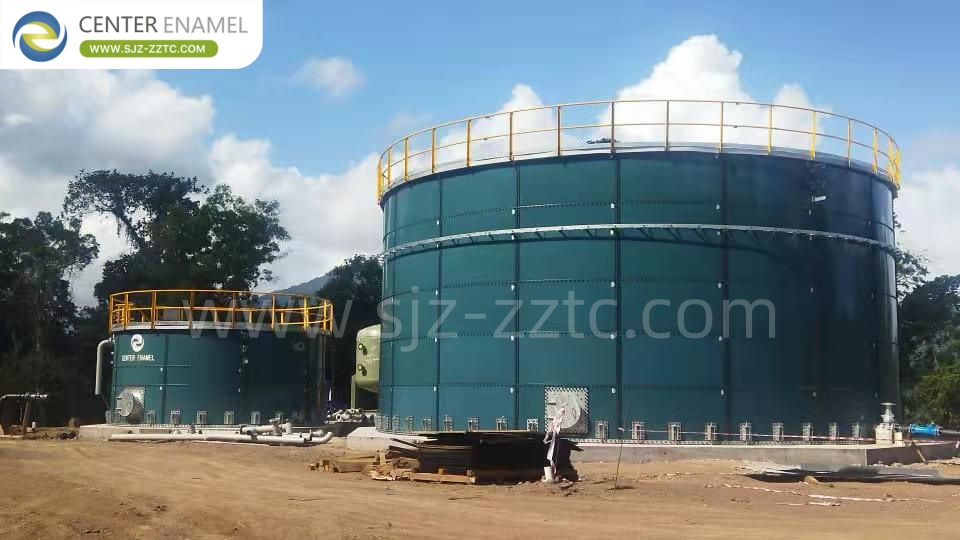
The process occurs naturally in environments like swamps, sediments, and the digestive tracts of ruminant animals. However, engineered anaerobic digestion systems accelerate and control this natural process within sealed, temperature-regulated vessels called digesters. These systems create optimal conditions for the microbial communities responsible for decomposition, enabling the process to complete in days or weeks rather than the months or years it would take in a landfill.
The core purpose of anaerobic digestion is twofold. First, it stabilizes organic waste, reducing its volume and eliminating pathogens and odors. Second, it captures the energy embedded in organic matter as biogas, a renewable fuel that can generate electricity, heat, or be upgraded to biomethane for injection into natural gas grids. A well-operated digester essentially functions as a biological battery, extracting value from materials that would otherwise be discarded.
The Four Stages of the Anaerobic Digestion Process
The conversion of complex organic matter into biogas occurs through four sequential metabolic stages, each driven by distinct groups of microorganisms. Understanding these stages is essential for grasping why certain feedstocks perform better than others and why process stability requires careful management.
Hydrolysis
The first stage is hydrolysis, in which insoluble complex polymers-carbohydrates, proteins, and fats-are broken down into soluble compounds. Hydrolytic bacteria secrete extracellular enzymes that cleave these large molecules into simpler components: sugars, amino acids, and fatty acids. This stage is often rate-limiting, particularly for feedstocks high in lignocellulosic material like garden waste, because the rigid structure of plant cell walls resists enzymatic attack. In well-inoculated digesters treating food waste, hydrolysis proceeds rapidly; in systems processing fibrous agricultural residues, it may require pretreatment or extended retention times.
Acidogenesis
Once soluble compounds are available, acidogenic (fermentative) bacteria convert them into volatile fatty acids, alcohols, ammonia, carbon dioxide, and hydrogen. This stage proceeds quickly and can cause problems if it outpaces the subsequent stages. Rapid acid production without adequate consumption can lead to volatile fatty acid accumulation, dropping the pH and inhibiting the methanogens responsible for the final stage. This is why many digester failures occur during startup or when feeding rates increase too abruptly.
Acetogenesis
In the third stage, acetogenic bacteria convert the products of acidogenesis-particularly the higher volatile fatty acids and alcohols-into acetic acid, hydrogen, and carbon dioxide. These organisms are sensitive to hydrogen partial pressure; if hydrogen accumulates, the reaction becomes thermodynamically unfavorable. This creates an obligate syntrophic relationship with hydrogen-consuming methanogens, meaning acetogens and methanogens must function in close coordination for the process to proceed efficiently.
Methanogenesis
The final stage is methanogenesis, performed by archaea (methanogens) that convert acetic acid, hydrogen, and carbon dioxide into methane and water. These microorganisms are the most sensitive to environmental conditions, including pH, temperature, and the presence of inhibitory compounds like ammonia or sulfide. Methanogens grow slowly compared to the bacteria in earlier stages, which is why digester retention times typically range from 14 to 40 days. Two primary pathways operate: acetotrophic methanogens convert acetate directly to methane, while hydrogenotrophic methanogens combine hydrogen and carbon dioxide. Under mesophilic conditions, approximately 70% of methane derives from the acetotrophic pathway.
Common Feedstocks and Their Characteristics
Anaerobic digestion accommodates a remarkably diverse range of organic materials, but feedstock composition profoundly influences biogas yield, process stability, and operational requirements. The ideal feedstock balances carbon and nitrogen (C/N ratio of 20–30), provides adequate buffering capacity, and lacks toxic contaminants.
Table 1: Common Anaerobic Digestion Feedstocks and Their Characteristics
| Feedstock Type | Typical Sources | Biogas Potential | Key Considerations |
| Food waste | Restaurants, supermarkets, households | High | Rapid acidification; C/N ratio often too low |
| Livestock manure | Dairy, swine, poultry farms | Moderate | Good buffering; may contain antibiotics |
| Sewage sludge | Municipal wastewater treatment | Moderate | Contains pathogens; requires pasteurization for land application |
| Agricultural residues | Crop stalks, straw, husks | Variable | Lignocellulosic; often requires pretreatment |
| Fats, oils, grease (FOG) | Food processing, restaurants | Very high | Co-digestion recommended; can inhibit at high concentrations |
| Green waste | Parks, gardens, landscaping | Low to moderate | High lignin content; slow degradation |
Source:
Food waste presents a paradox. Its high biodegradability yields substantial methane, but it also degrades so rapidly that volatile fatty acids can accumulate faster than methanogens can consume them, causing process inhibition. Manure provides natural buffering and diverse microbial populations that enhance stability, but its biogas potential is lower. Co-digestion-the simultaneous processing of multiple feedstocks-leverages the strengths of different materials to optimize the C/N ratio, dilute inhibitors, and improve overall biogas yield.
Products of Anaerobic Digestion
Anaerobic digestion generates two primary products: biogas and digestate. Both have significant economic and environmental value, transforming what might otherwise be a disposal cost into revenue streams.
Biogas
Biogas is the most celebrated output, composed primarily of methane (50–75%) and carbon dioxide (30–50%), with trace amounts of water vapor, hydrogen sulfide, and ammonia. The methane content determines its energy value; higher methane concentrations mean greater calorific value. Untreated biogas can be used directly in boilers or engines for heat and electricity generation. For more demanding applications-injection into natural gas pipelines or use as vehicle fuel-biogas must be upgraded to biomethane by removing carbon dioxide and other impurities, achieving methane concentrations above 95%.
Biogas yield varies considerably by feedstock. Theoretical methane potential for complete anaerobic biodegradation approaches 200 Nm³ per dry tonne of organic matter, though industrial digesters typically achieve 40–80 Nm³ per tonne due to practical constraints. Fats and oils yield the highest methane potential, while garden waste yields the lowest among common feedstocks.
Digestate
The material remaining after digestion is digestate, a nutrient-rich slurry containing nitrogen, phosphorus, potassium, and residual organic matter. Approximately 85% of nitrogen present in feedstocks is conserved in digestate, as anaerobic microorganisms have minimal nutrient requirements. The nitrogen in digestate is predominantly in ammoniacal form, making it more readily available to plants than the organic nitrogen in raw manure or compost.
Digestate can be applied directly to agricultural land as a biofertilizer, reducing dependence on energy-intensive synthetic fertilizers. It can also be separated into liquid and solid fractions, with the liquid serving as a quick-release nitrogen source and the solid fraction providing organic matter for soil conditioning. Some facilities further process digestate to recover concentrated nutrient products or to produce compost.
Environmental and Economic Benefits
The case for anaerobic digestion rests on multiple interconnected benefits that address pressing environmental and economic challenges.
Greenhouse Gas Reduction
When organic waste decomposes in landfills, it generates methane that escapes into the atmosphere over decades. Methane has approximately 28 times the global warming potential of carbon dioxide over a 100-year horizon. Anaerobic digestion captures this methane and combusts it for energy, converting it to carbon dioxide with far lower climate impact. Emissions from AD facilities are negligible when properly managed, and the offset of fossil fuel energy further reduces the overall carbon footprint. For every tonne of food waste treated through anaerobic digestion, carbon dioxide emissions may be reduced by half a tonne or more.
Renewable Energy Generation
Biogas is a versatile renewable energy carrier. It can generate electricity and heat simultaneously through combined heat and power (CHP) systems, achieving overall energy efficiencies of 80% or higher when heat is utilized. Upgraded to biomethane, it can substitute for natural gas in heating, industrial processes, or transportation. This dispatchable energy source complements intermittent renewables like wind and solar, contributing to grid stability.
Circular Economy and Waste Management
Anaerobic digestion embodies circular economy principles by transforming waste streams into valuable products. It diverts organic materials from landfills, reducing leachate production and landfill gas emissions. The digestate returns nutrients to the soil, closing the loop between food production and waste disposal. In regions with organic waste collection mandates, AD provides a proven pathway for compliance and resource recovery.
Economically, AD facilities generate revenue from multiple streams: gate fees for waste acceptance, energy sales, and fertilizer products. While capital costs are significant, operational costs are relatively low, and government incentives in many jurisdictions improve financial viability. Co-digestion of multiple waste streams often enhances both biogas yield and tipping fee revenue, improving project economics.
Challenges and Limitations
Despite its advantages, anaerobic digestion faces technical and economic hurdles that constrain its universal adoption.
Process Stability and Inhibition
Methanogens are sensitive to pH changes, temperature fluctuations, and inhibitory compounds. Ammonia, produced during protein degradation, can inhibit methanogenesis at concentrations above 3,000 mg/L, though acclimated microbial communities can tolerate higher levels. Volatile fatty acid accumulation signals process imbalance and can lead to acidification if not corrected. Hydrogen sulfide, generated from sulfate reduction, is corrosive to equipment and toxic in high concentrations. Managing these challenges requires vigilant monitoring and skilled operators.
Feedstock Variability and Pretreatment Requirements
Feedstock composition fluctuates seasonally and geographically, complicating process optimization. Lignocellulosic materials-crop residues, green waste, and woody biomass-resist hydrolysis because lignin physically shields cellulose and hemicellulose from enzymatic attack. Pretreatment methods including mechanical grinding, thermal hydrolysis, chemical treatment, and biological approaches can improve degradability, but add cost and complexity. For solid-state feedstocks with high total solids content, specialized reactor designs and handling systems are required.
Economic Viability
Capital costs for anaerobic digestion facilities are substantial, particularly for complete systems with gas upgrading and digestate processing. The return on investment depends on local energy prices, waste tipping fees, and policy support. In regions with cheap natural gas and low waste disposal costs, AD projects may struggle to compete without subsidies. Digestate management-particularly transportation of liquid digestate-can erode profitability for facilities distant from agricultural application sites.
Applications and Scale
Anaerobic digestion operates at scales ranging from household biodigesters in developing countries to massive industrial facilities processing hundreds of thousands of tonnes annually.
Agricultural digesters, common on dairy and swine farms, treat manure and on-farm organic waste. They provide farmers with energy for heating, electricity, and sometimes vehicle fuel, while producing digestate for crop fertilization. These systems improve manure management by reducing odors and pathogens.
Municipal facilities process sewage sludge and separately collected food waste. Many wastewater treatment plants have incorporated anaerobic digestion for sludge stabilization for decades, and increasing numbers are adding food waste co-digestion to boost biogas production.
Industrial applications include food processing facilities that digest their organic byproducts, breweries and distilleries treating process residuals, and centralized facilities accepting waste from multiple sources. These operations benefit from consistent, concentrated feedstock streams and can integrate energy recovery directly into their operations.
Emerging approaches include two-stage and solid-state systems. Two-stage digestion separates hydrolysis and acidogenesis from methanogenesis, allowing optimized conditions for each microbial community and potentially higher organic loading rates. Solid-state anaerobic digestion processes feedstocks with total solids content exceeding 15%, reducing water requirements and reactor volume while producing a drier digestate.
Frequently Asked Questions
What types of waste can be treated by anaerobic digestion?
Food waste, livestock manure, sewage sludge, agricultural residues, fats and oils, and green waste. Woody materials and non-organic contaminants are generally unsuitable.
How long does anaerobic digestion take?
Typically 14 to 40 days, depending on feedstock, temperature, and system design. Thermophilic systems work faster than mesophilic ones.
Is anaerobic digestion better than composting?
Neither is universally better. Anaerobic digestion produces biogas and less odor but costs more; composting is simpler and yields more mature soil amendment. The best choice depends on feedstock and local conditions.