
What Is Anaerobic Digestion Process? Comprehensive Guide for Biogas Project
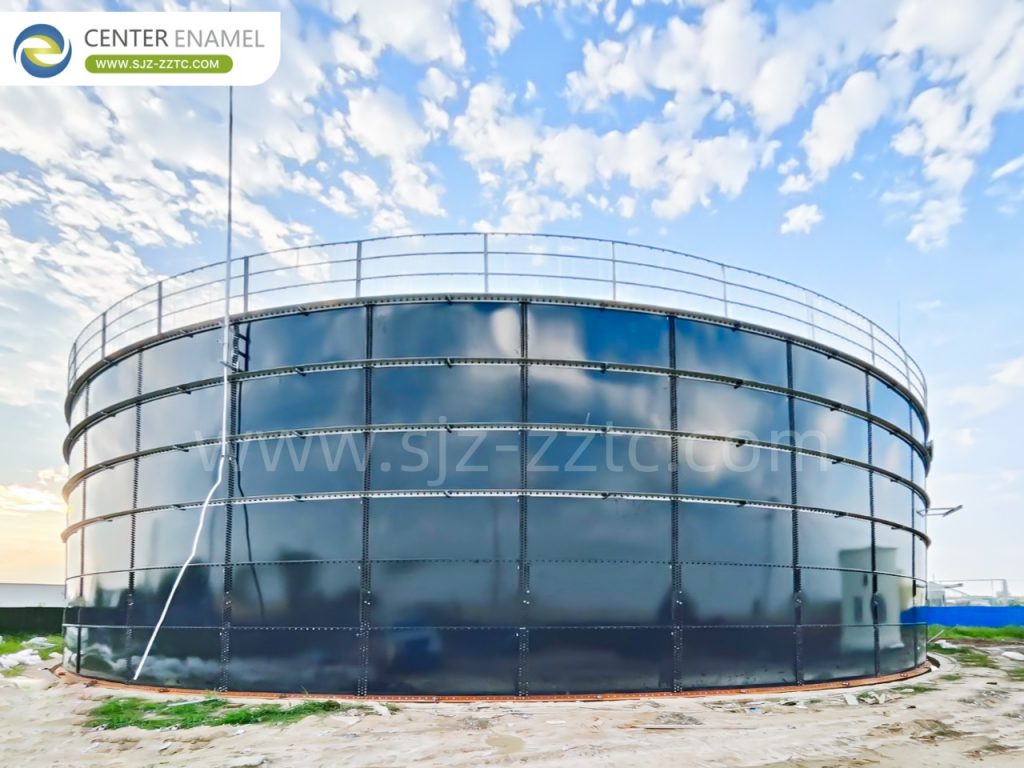
Anaerobic digestion is a natural biological decomposition process where microorganisms break down biodegradable organic matter in an oxygen-free environment. It is a controlled fermentation technology that converts organic waste such as livestock manure, agricultural residues, food waste, and industrial organic wastewater into renewable biogas and nutrient-rich digestate.
In simple terms, anaerobic digestion mimics natural decomposition that occurs in swamps, landfills, and deep lake sediments. Under airtight and oxygen-isolated conditions, complex organic substances are gradually degraded by different functional bacteria, finally producing biogas mainly composed of methane and carbon dioxide. This process not only realizes harmless treatment of organic waste but also turns waste into clean energy, making it the core technology of modern Biogas Project worldwide.
Four Core Stages of Anaerobic Digestion Process
The complete anaerobic digestion process consists of four sequential biological phases, working together to ensure efficient and stable biogas production:
Hydrolysis: Complex organic materials including starch, cellulose, protein, and lipids are broken down into simple soluble small molecules by hydrolytic bacteria. This stage turns solid and macromolecular organics into dissolved substances that subsequent microorganisms can utilize.
Acidogenesis: Acid-producing bacteria decompose hydrolyzed small molecules into volatile fatty acids, alcohols, and minor intermediate products, laying a foundation for later methane generation.
Acetogenesis: Acetogenic bacteria further convert fatty acids and alcohols into acetic acid, hydrogen, and carbon dioxide. Acetic acid is the main direct substrate for methane production.
Methanogenesis: As the final and most critical stage, methanogenic archaea consume acetic acid and hydrogen to produce methane and carbon dioxide, forming usable biogas. This phase is sensitive to temperature, pH value, and environmental stability, requiring professional reactor design and precise system control.
Industrial biogas plants simulate and optimize this natural anaerobic digestion process by controlling temperature, pH, hydraulic retention time, and microbial activity to achieve high-yield and continuous biogas output.
Application of Anaerobic Digestion in Biogas Project
Anaerobic digestion is the core technological pillar of all commercial and rural Biogas Project, widely applied across global agricultural, industrial, and municipal waste treatment sectors.
In agricultural and livestock areas, anaerobic digestion processes cattle manure, pig manure, and crop residues to produce biogas for cooking, heating, and farm power supply. The byproduct digestate is high-quality organic fertilizer, forming a closed-loop circular economy of “waste-biogas-fertilizer”.
In industrial parks, food processing factories, cassava starch plants, palm oil mills, and beverage factories adopt anaerobic digestion to treat high-concentration organic wastewater. The generated biogas can drive generators or supply thermal energy for production, greatly reducing enterprise energy costs and environmental discharge pressure.
In urban municipal projects, anaerobic digestion disposes of sorted food waste, catering residues, and urban organic solid waste, reducing landfill volume, cutting greenhouse gas emissions, and helping cities achieve carbon neutrality and waste resource utilization goals.
Without mature anaerobic digestion technology, large-scale, stable, and commercialized biogas project operation cannot be realized. It has become an indispensable standard solution for global renewable energy and environmental protection industries.
Four Main Anaerobic Technologies for Anaerobic Digestion
To adapt to different waste characteristics, project scales, and regional climates, four classic anaerobic digestion technologies are widely adopted in biogas projects: CSTR, UASB, USR, and IC Process.
1. CSTR (Completely Stirred Tank Reactor)
CSTR is the most suitable process for high-solid organic waste such as livestock manure, food waste, and pulp residues. Equipped with high-torque mechanical stirring, it fully mixes microbial sludge and raw materials, avoiding sedimentation and stratification. It features stable operation, strong anti-impact load capacity, and balanced biogas output, ideal for large farms and urban food waste biogas projects.
2. UASB (Upflow Anaerobic Sludge Blanket)
UASB is a globally proven classic anaerobic digestion process. Wastewater flows upward through a dense anaerobic granular sludge blanket to efficiently degrade organic pollutants. With simple structure, easy maintenance, and low operational cost, it is widely used in food processing, brewery, and general industrial wastewater biogas projects.
3. USR (Upflow Solid Reactor)
USR is optimized for high-concentration and high suspended solid waste. It has a simple layout, low investment, and strong raw material adaptability, perfectly matching scattered rural biogas projects and small and medium-sized industrial biogas stations.
4. IC (Internal Circulation) Process
IC is a high-rate advanced anaerobic digestion technology. It uses self-produced biogas to drive internal liquid circulation, achieving a volumetric loading rate 3–5 times higher than traditional reactors. It saves land occupation and delivers excellent COD removal efficiency, becoming the preferred choice for large-scale industrial biogas projects and industrial parks.
Core Advantages of Center Enamel in Anaerobic Digestion & Biogas Project
As a leading global EPC contractor for biogas and anaerobic digestion projects, Center Enamel possesses irreplaceable comprehensive strengths:
- Offers one-stop turnkey solutions covering project design, equipment manufacturing, construction, installation, commissioning, and after-sales service, saving clients multiple coordination costs.
- Provides customized anaerobic digestion process selection (CSTR/UASB/USR/IC) tailored to local waste components, climate conditions, and project scales.
- Owns professional R&D and patented enamel formulas, adapting equipment to acidic wastewater, high humidity, and complex tropical and temperate climate environments.
- Strictly complies with international standards such as ISO 28765, AWWA D103-09, OSHA and NSF/ANSI 61, with every tank plate passing high-voltage spark testing to ensure zero coating defects.
- Adopts factory prefabricated bolted structure and hydraulic jacking installation, realizing zero on-site welding, fast construction, and rapid project commissioning.
- Has rich global tropical and temperate biogas project experience, perfectly adapting to various regional environmental conditions worldwide.
Advantages of GFS Tanks in Anaerobic Digestion Process
GFS (Glass-Fused-to-Steel) Tanks are the core infrastructure for modern anaerobic digestion and biogas projects, with unique advantages far exceeding concrete and ordinary steel tanks:
Superior Corrosion Resistance: GFS Tanks are sintered at over 820°C, forming a molecular fusion layer of glass enamel and steel. They remain stable in a pH range of 1–14, perfectly resisting acid corrosion, organic wastewater erosion, and toxic substances produced during anaerobic digestion.
Seismic & UV Aging Resistance: GFS Tanks feature flexible bolted structure with excellent seismic performance. They withstand strong equatorial sunlight, high temperature, and humid coastal climate without aging, cracking, or peeling.
Airtight & Stable Fermentation Environment: The fully sealed GFS tank structure maintains strict oxygen isolation, creating an ideal anaerobic environment for methanogenic bacteria, ensuring high-efficiency and stable anaerobic digestion and continuous biogas production.
Long Service Life & Low Maintenance: Compared with concrete tanks that are prone to leakage and erosion, GFS Tanks have a service life of over 30 years with minimal daily maintenance, greatly improving the long-term return on investment of biogas projects.
Fast Installation & Flexible Expansion: All GFS tank components are factory prefabricated, assembled by high-strength bolts without on-site welding. The modular design supports flexible capacity expansion, perfectly matching the phased construction needs of anaerobic digestion projects.
Conclusion
Anaerobic digestion is a mature, eco-friendly, and renewable energy technology that converts organic waste into biogas and organic fertilizer through four-stage biological degradation. It is widely applied in agricultural, industrial and municipal biogas projects, with CSTR, UASB, USR and IC as the four mainstream processes. Center Enamel stands out with professional EPC strength, customized anaerobic solutions and optimized installation technology, while GFS Tanks provide corrosion-resistant, airtight, durable and cost-effective core support for the whole anaerobic digestion workflow, becoming the ideal choice for global biogas project construction.