
What Is Biogas and How Is It Produced? Comprehensive Guide to Renewable Energy
As global demand for sustainable energy alternatives accelerates, converting organic waste into clean power has become a core pillar of the circular economy. Among various renewable technologies, biogas stands out as a versatile, low-carbon energy source derived naturally from organic decomposition.
Understanding what biogas is, how it is generated through biological systems, and its underlying production phases is vital for engineers, environmental scientists, and project developers.
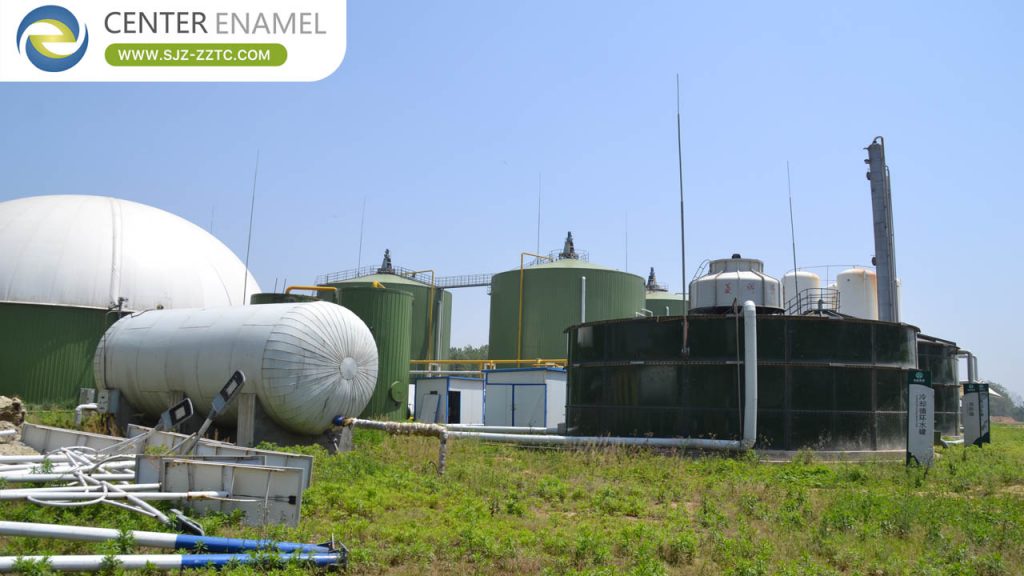
What Is Biogas?
Biogas is a combustible, methane-rich gas mixture produced through the biological breakdown of organic matter in a strictly oxygen-free environment. Typically generated inside sealed bioreactors or natural anaerobic facilities, raw biogas is composed primarily of:
- Methane (CH4): 50% to 75% (the primary combustible energy carrier)
- Carbon Dioxide (CO2): 25% to 45%
- Trace Gases: Minor quantities of water vapor, hydrogen sulfide (H2S), nitrogen (N2), and ammonia (NH3).
When purified and upgraded, biogas can be utilized for combined heat and power (CHP) generation, injected directly into natural gas grids as biomethane, or compressed into vehicle fuel (Bio-CNG).
How Is Biogas Produced? The Anaerobic Digestion Process
Biogas is produced through a natural biological process known as anaerobic digestion (AD). Organic feedstocks—such as livestock manure, agricultural crop residues, municipal sewage sludge, and food processing wastes—are fed into a sealed, oxygen-free vessel (such as a fixed-dome digester, floating drum plant, or industrial continuous stirred-tank reactor).
Inside this controlled environment, a complex community of microorganisms breaks down the complex organic polymers in four distinct biochemical stages:
1. Hydrolysis
Complex organic polymers—including proteins, carbohydrates, and lipids—are too large to pass through bacterial cell walls. In the hydrolysis stage, extracellular enzymes secreted by hydrolytic bacteria break these large molecules down into smaller, soluble compounds such as simple sugars, amino acids, and fatty acids.
2. Acidogenesis (Fermentation)
Acid-forming bacteria (acidogens) take the soluble monomers produced during hydrolysis and convert them into volatile fatty acids (VFAs), alcohols, lactic acid, carbon dioxide, and trace amounts of hydrogen.
3. Acetogenesis
Acetogenic bacteria process the organic acids and alcohols created during acidogenesis, converting them into acetic acid (acetate), carbon dioxide, and direct hydrogen (H2). These products serve as the immediate precursors required for final methane creation.
4. Methanogenesis
In the final stage, strict anaerobic microorganisms known as methanogenic archaea convert acetic acid, hydrogen, and carbon dioxide into methane (CH4) and carbon dioxide (CO2). This methane-rich gas mixture collects in the reactor headspace as finished biogas.
Comparative Data Table: The Four Stages of Biogas Production
| Digestion Stage | Primary Microbial Group | Target Substrate | Chemical Conversion Output |
| 1. Hydrolysis | Hydrolytic bacteria | Complex polymers (proteins, carbs, lipids) | Soluble monomers (sugars, amino acids) |
| 2. Acidogenesis | Acid-forming bacteria | Soluble sugars and monomers | Volatile fatty acids (VFAs), alcohols, CO2 |
| 3. Acetogenesis | Acetogenic bacteria | VFAs and alcohols | Acetic acid (acetate), hydrogen, CO2 |
| 4. Methanogenesis | Methanogenic archaea | Acetate, hydrogen, and carbon dioxide | Biogas (Methane [CH4] + CO2) |
Frequently Asked Questions (FAQ)
Q1: What raw materials can be used to produce biogas?
A: Biogas can be produced from a wide range of biodegradable organic materials, including livestock manure (cattle, swine, poultry), municipal food waste, agricultural crop residues, wastewater treatment biosolids, and industrial organic effluents.
Q2: Why must oxygen be excluded during biogas production?
A: Oxygen must be strictly excluded because methanogenic archaea—the specialized microorganisms responsible for generating methane gas—cannot survive or function in the presence of oxygen. Anaerobic conditions are mandatory to drive the biological conversion of organic waste into methane.
Q3: What happens to the material left over after biogas is extracted?
A: The residual byproduct of anaerobic digestion is known as digestate. Because it is rich in bioavailable nitrogen, phosphorus, and potassium, it is safely collected and utilized as a high-grade organic fertilizer in agricultural applications.