
What Is Biogas? Definition, Composition, Production, and Uses
As global industries and communities accelerate their transition toward sustainable energy systems, biogas has emerged as a premier renewable energy resource. Derived from organic waste rather than fossil reserves, biogas offers a circular solution that simultaneously addresses waste management, greenhouse gas mitigation, and clean energy production.
Understanding what biogas is, how it is manufactured, and its primary applications is essential for engineers, policymakers, and environmental strategists.
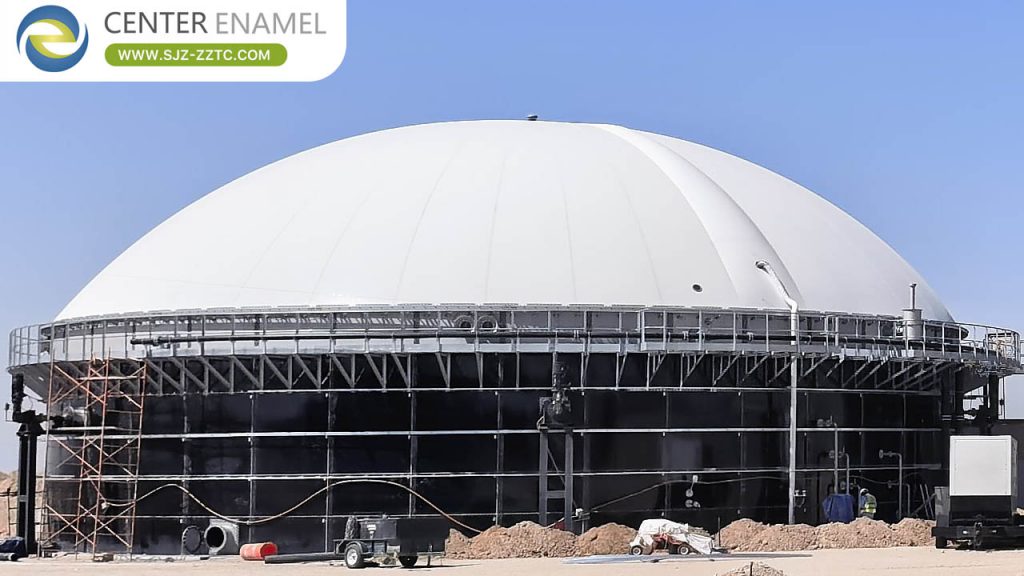
Definition: What Is Biogas?
Biogas is a combustible, renewable gaseous fuel generated naturally or industrially through the anaerobic digestion (AD) of organic matter. The term "anaerobic" means without oxygen, and "digestion" refers to microbial decomposition.
When biodegradable materials—such as agricultural manure, food scraps, sewage sludge, and industrial organic effluents—are placed inside a sealed, oxygen-free bioreactor, specialized microbial consortia break down the complex compounds. The resulting product is a methane-rich gas mixture that can be harnessed to generate heat, electricity, or refined into vehicle fuel.
Chemical Composition of Biogas
Biogas is not a single compound but a complex blend of gases. Its precise chemical profile varies depending on the feedstock used and the operational conditions of the digestion process. However, its primary constituents remain consistent across most industrial installations.
Typical Biogas Composition Table
| Chemical Component | Chemical Formula | Percentage Range (%) | Primary Characteristic |
| Methane | CH4 | 50% – 70% | The primary energy-rich, combustible component |
| Carbon Dioxide | CO2 | 30% – 50% | Non-combustible diluent gas |
| Water Vapor | H2O | 0% – 10% | Saturated moisture content requiring extraction |
| Hydrogen Sulfide | H2S | 0% – 3% | Corrosive trace gas requiring desulfurization |
| Nitrogen & Oxygen | N2 / O2 | Trace (< 1%) | Ingress air or baseline remnants |
How Biogas Is Produced: The Anaerobic Digestion Process
The manufacturing of industrial biogas relies on a four-stage biological sequence carried out inside engineered anaerobic digesters:
- Hydrolysis: Extracellular enzymes secreted by bacteria break down complex insoluble polymers (proteins, carbohydrates, and lipids) into soluble monomers (amino acids, sugars, and fatty acids).
- Acidogenesis: Acid-producing bacteria convert these soluble monomers into volatile fatty acids (VFAs), alcohols, and carbon dioxide.
- Acetogenesis: Acetogenic microorganisms further transform volatile fatty acids into acetic acid, hydrogen, and carbon dioxide.
- Methanogenesis: Strict anaerobic methanogenic archaea consume acetic acid and hydrogen to produce methane and carbon dioxide, forming the core combustible biogas.
Primary Applications and Uses of Biogas
Biogas is a highly versatile energy carrier utilized across multiple sectors:
- Combined Heat and Power (CHP): Raw or cleaned biogas is burned in gas engines or turbines to generate on-site electricity while capturing waste thermal heat for facility operations.
- Boiler Fuel: Industrial plants and agricultural operations utilize biogas directly in boilers to supply thermal energy for heating or manufacturing processes.
- Biomethane / Renewable Natural Gas (RNG): By running raw biogas through an upgrading system to strip out carbon dioxide and moisture, operators produce high-purity biomethane (>95\% methane) that can be injected straight into natural gas grids or used as a clean vehicle fuel.
Frequently Asked Questions (FAQ)
Q1: What is the main difference between biogas and natural gas?
A: While both gases share methane as their primary energy-carrying component, fossil natural gas is extracted from underground geological reservoirs formed over millions of years. Biogas is produced artificially or naturally via the short-term anaerobic decomposition of organic waste, making it a fully renewable, carbon-neutral resource.
Q2: Can any type of organic waste be used to produce biogas?
A: Most biodegradable organic materials—including livestock manure, food waste, agricultural crop residues, sewage sludge, and industrial organic wastewater—can serve as feedstock. However, materials with high lignin or cellulose content, such as raw wood, decompose too slowly for efficient biogas production.
Q3: What happens to the waste material after biogas is extracted?
A: The remaining byproduct of anaerobic digestion is called digestate. Digestate is a nutrient-rich organic substance containing high concentrations of nitrogen, phosphorus, and potassium, making it an excellent organic fertilizer for agricultural applications.