
What Is Biogas from Wastewater Treatment and How Does It Work?
Wastewater treatment plants have evolved from energy consumers into potential energy producers. At the heart of this transformation is biogas from wastewater treatment-a renewable fuel generated when microorganisms break down organic matter in the absence of oxygen. For high-strength industrial effluents like brewery wastewater, biogas production offers dual benefits: pollution reduction and energy recovery. This guide explains the science, technology, and economics behind turning wastewater into a valuable energy resource.
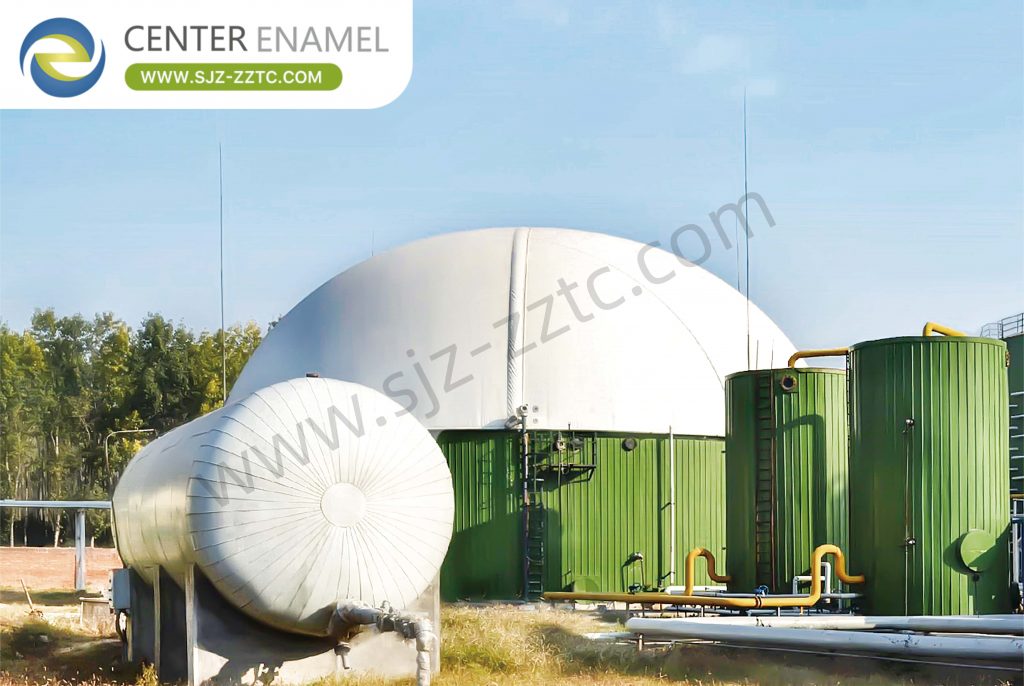
Why Does Wastewater Produce Biogas?
Biogas is generated through anaerobic digestion (AD), a biological process in which microorganisms decompose organic matter without oxygen. This process has been used for over a century and is particularly suited for wastewater with high organic content. When organic pollutants are consumed by anaerobic bacteria, they are converted primarily into methane (CH₄) and carbon dioxide (CO₂), along with trace amounts of hydrogen sulfide and other gases.
The appeal of biogas from wastewater treatment lies in its dual function. Rather than simply removing pollutants at a cost, anaerobic treatment transforms them into a renewable energy source that can offset facility energy demands. Wastewater treatment plants that implement anaerobic digestion can generate biogas for electricity and heat generation, creating circular economy benefits. For breweries, where wastewater COD ranges from 20 to 60 g/L, this energy recovery potential is substantial.
The Four Stages of Anaerobic Digestion
Understanding biogas production requires familiarity with the four sequential biological stages of anaerobic digestion:
Hydrolysis breaks down complex organic polymers-carbohydrates, proteins, and lipids-into simpler soluble compounds. This stage is often rate-limiting in the overall process.
Acidogenesis converts these simpler compounds into volatile fatty acids (VFAs), alcohols, and other intermediate products. Key VFAs include propionic, acetic, and butyric acids.
Acetogenesis further transforms these intermediates into acetic acid, hydrogen, and carbon dioxide, preparing them for methane formation.
Methanogenesis is the final stage, where methanogenic archaea produce methane from acetate or from hydrogen and carbon dioxide. Methanogens are highly sensitive to pH and require optimal conditions between 6.3 and 7.8 to function effectively.
Biogas Composition and Yield from Wastewater
The quality and quantity of biogas vary based on substrate characteristics, reactor design, and operating conditions. A study of anaerobic filters treating brewery wastewater reported methane content of 68.8% in the total gas, with methane production ranging from 0.08 to 0.77 m³ CH₄/kg COD. The following table summarizes typical biogas characteristics:
| Parameter | Typical Range | Notes |
| Methane (CH₄) | 50–70% | Higher values indicate better quality |
| Carbon dioxide (CO₂) | 30–50% | Primary impurity |
| Hydrogen sulfide (H₂S) | Trace | Corrosive; requires removal |
| Methane yield | 0.08–0.77 m³/kg COD | Varies by substrate and reactor |
Anaerobic membrane bioreactors (AnMBRs) have demonstrated stable methane recovery of 0.17 ± 0.07 L CH₄/g COD at 66.5 ± 0.03% v/v over 350 days of operation. This long-term stability indicates the maturity of AnMBR technology for reliable biogas recovery.
Key Factors Affecting Biogas Production
Several operational parameters determine biogas yield and process stability. Temperature is critical-most anaerobic digesters operate under mesophilic (30–40°C) or thermophilic (50–60°C) conditions. The optimal pH range for methanogenic bacteria is 6.3 to 7.8; values outside this range adversely affect performance.
Hydraulic retention time (HRT) influences microbial community composition and substrate degradation. Longer HRTs allow slow-growing microorganisms to establish, while shorter HRTs favor spore-forming organisms. Alkalinity and buffering capacity are also essential, as they prevent pH drops from volatile fatty acid accumulation before methanogens can convert these intermediates to methane.
Substrate composition matters significantly. For brewery wastewater, the BOD5/COD ratio of approximately 0.69 indicates highly biodegradable organic matter, making it well-suited for anaerobic treatment. Co-digestion with other substrates can enhance yields-co-digesting wastewater with organic waste increased methane yields by up to 52 times compared to wastewater mono-digestion in one study.
Biogas Upgrading Technologies for Wastewater Treatment
Raw biogas contains impurities that limit its direct use. Biogas upgrading removes CO₂, H₂S, and moisture to produce biomethane suitable for grid injection or vehicle fuel. Several technologies are available:
Biological upgrading uses hydrogenotrophic methanogens to convert CO₂ and hydrogen into additional methane. This approach circumvents the energy and chemical use associated with conventional adsorption techniques. A bioelectrochemical system developed through the NIMBI project achieves biomethane-enriched gas with over 80% CH₄ while recovering 80% of ammoniacal nitrogen from rejected water.
Biochar addition offers a novel upgrading pathway. Malt sprout-derived biochar added to anaerobic treatment of brewery wastewater adsorbs CO₂ due to its natural structure, simultaneously enhancing methane production and upgrading biogas quality.
In-situ biomethanation involves introducing hydrogen directly into the anaerobic digester to convert CO₂ to methane biologically. Techno-economic analyses of brewery wastewater treatment have evaluated scenarios integrating anaerobic digestion with microbial electrochemical cells for hydrogen generation, followed by ex-situ methanation for renewable natural gas production.
The table below compares major biogas upgrading approaches:
| Technology | CH₄ Purity Achieved | Key Advantage | Considerations |
| Biological (ex-situ) | >80% | Low energy; chemical-free | Requires H₂ supply |
| Biochar adsorption | Enhanced quality | Uses brewery by-product | Emerging technology |
| In-situ biomethanation | Variable | Integrated process | H₂ compatibility |
| Conventional scrubbing | >95% | Well-established | Energy-intensive |
Biogas Utilization: From Wastewater to Energy
Once upgraded or used directly, biogas serves multiple energy applications. Combined heat and power (CHP) units convert biogas into electricity and heat, with the biogas coverage metric quantifying the fraction of a treatment plant's electricity demand met through on-site generation.
For breweries, on-site biogas utilization creates operational synergies. Thermal energy from CHP can supply process heat for brewing operations, while electricity offsets grid purchases. Some facilities pursue renewable natural gas (RNG) production for injection into natural gas pipelines, requiring higher purification standards.
The economics of biogas from wastewater treatment continue to improve. Techno-economic analyses of integrated systems for brewery wastewater show that coupling anaerobic digestion with microbial electrochemical cells for hydrogen production, followed by biological methanation, can produce renewable natural gas with favorable environmental performance. These integrated approaches address a gap in traditional treatment economics by generating multiple value streams: methane, recovered nutrients, and reusable water.
The Future of Biogas from Wastewater Treatment
Emerging technologies promise to enhance the efficiency and scope of biogas production. Two-stage anaerobic digestion systems produce biohythane-a hydrogen-methane blend that improves flammability characteristics compared to methane alone. Adding small amounts of hydrogen to methane increases the gas's flammability by reducing ignition time and increasing flame speed.
Microbial electrochemical cells (MECs) represent a particularly promising frontier. These systems use electroactive bacteria to oxidize organic compounds at the anode while generating hydrogen at the cathode. Though currently at technology readiness levels 3–4, MECs are anticipated to reach TRL 6 by 2035, enabling prototype testing in operational environments. Integration of AD with MEC processes creates a pathway for using residual organic matter in AD effluent to generate hydrogen for biogas upgrading.
Resource recovery extends beyond energy. Anaerobic digestion produces nutrient-rich digestate that can serve as biofertilizer, reducing dependence on synthetic fertilizers. The NIMBI project demonstrates nitrogen recovery alongside biogas enrichment, extracting ammonia for biofertilizer production. These integrated approaches align wastewater treatment with circular economy principles, transforming treatment facilities from waste disposal sites into resource recovery centers.
FAQ
What is the typical methane content in biogas from wastewater treatment?
Biogas from wastewater treatment typically contains 50–70% methane, with carbon dioxide making up most of the remainder. A study of anaerobic filters treating brewery wastewater reported methane content of 68.8%. Anaerobic membrane bioreactors have achieved 66.5% methane content with stable recovery rates over 350 days. Higher methane content indicates better biogas quality and greater energy value.
How much biogas can be produced from brewery wastewater?
Biogas yield varies based on wastewater strength and treatment configuration. Brewery wastewater COD typically ranges from 20 to 60 g/L. Methane production from anaerobic filters ranges from 0.08 to 0.77 m³ CH₄ per kg COD removed. AnMBR systems recover approximately 0.17 L CH₄ per gram of COD at mesophilic temperatures. Co-digestion with other substrates can increase yields up to 52 times compared to mono-digestion.
What is biohythane and how does it improve biogas utilization?
Biohythane is a hydrogen-methane blend produced through two-stage anaerobic digestion. The first stage generates hydrogen via dark fermentation, while the second stage produces methane. Adding hydrogen to methane improves flammability by increasing specific heat and flame speed while reducing ignition time. This enhanced combustion makes biohythane an attractive alternative to fossil fuels for energy generation.
Want to learn how much biogas your wastewater treatment process could generate? Get in touch with our experts for a free feasibility assessment and start converting waste into energy.