
What Is Brewery Effluent? A Complete Guide to Characteristics, Treatment, and Anaerobic Solutions
Brewing is one of the oldest and most water-intensive industries in the world. Producing a single liter of beer typically consumes between 3 and 10 liters of water, depending on the brewery's technology and scale. Most of that water eventually leaves the facility as brewery effluent - a complex, high-strength wastewater stream that must be treated before discharge or reuse.
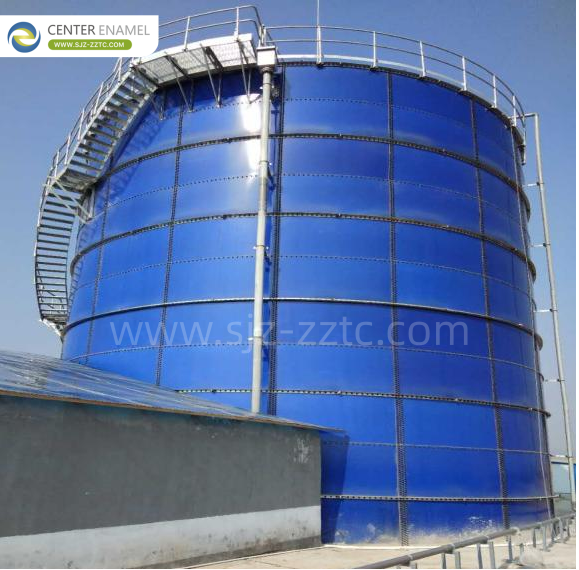
Understanding what is brewery effluent is essential for brewers, environmental engineers, and regulators alike, because its composition differs significantly from domestic sewage and from many other industrial streams. This article explains what brewery effluent is, where it comes from, its defining characteristics, why it is challenging to treat, and how modern anaerobic and aerobic technologies transform it into compliant discharge and renewable energy.
What Is Brewery Effluent? A Clear Definition
Brewery effluent is the collective liquid waste generated during beer production. It includes wastewater from all stages of the brewing process - mashing, lautering, boiling, fermentation, filtration, packaging, and cleaning - plus sanitary sewage from staff facilities in some cases.
It is classified as high-strength industrial wastewater because it carries elevated concentrations of organic matter, suspended solids, and nutrients. Despite its strength, brewery effluent is generally non-toxic and readily biodegradable, which distinguishes it from chemical or pharmaceutical wastewater and makes biological treatment highly effective.
Where Does Brewery Effluent Come From?
Brewery effluent originates from multiple points across the production chain, each contributing different pollutant loads:
Brew house: Spent grain wash water, wort residues, trub, and kettle cleaning water
Fermentation and maturation: Yeast slurry, tank rinsing water, diacetyl rest discharge
Filtration and centrifugation: Diatomaceous earth, filter rinses, beer losses
Packaging lines: Bottle and keg washing water, spilled beer, lubricants
CIP (Clean-In-Place) systems: Caustic and acid cleaning solutions, detergents, sanitizers
Utilities: Boiler blowdown, cooling tower bleed-off, compressor condensate
Because these sources discharge intermittently, the resulting effluent is highly variable in both flow and composition - a defining challenge for treatment design.
Key Characteristics of Brewery Effluent
Brewery effluent has several distinct characteristics that shape treatment strategy:
High organic load: COD typically ranges from 2,000 to 6,000 mg/L, though it can exceed 10,000 mg/L in small craft breweries
Elevated BOD₅: Usually 1,200–3,600 mg/L, with a BOD/COD ratio above 0.5, indicating excellent biodegradability
High total suspended solids (TSS): 200–1,000 mg/L from yeast, grain, and filter aids
pH fluctuation: Ranges from 4.0 to 6.5 normally, but can spike above 11 during caustic CIP discharge
Nutrient imbalance: Nitrogen and phosphorus are often deficient relative to carbon, requiring supplementation
Temperature variation: 15–40°C depending on process stage
Dark color and odor: From melanoidins and volatile fatty acids
The table below summarizes typical parameter ranges:
| Parameter | Typical Range | Notes |
| COD | 2,000–6,000 mg/L | Up to 10,000+ in craft breweries |
| BOD₅ | 1,200–3,600 mg/L | BOD/COD > 0.5 (highly biodegradable) |
| TSS | 200–1,000 mg/L | Yeast, grain, diatomaceous earth |
| pH | 4.0–6.5 (normal) | Can exceed 11 during CIP |
| Total Nitrogen | 30–100 mg/L | Often deficient vs. carbon |
| Total Phosphorus | 10–50 mg/L | Requires supplementation |
| Temperature | 15–40°C | Mesophilic range favorable |
| Oil & Grease | 50–300 mg/L | From lubricants and packaging |
Why Is Brewery Effluent Difficult to Treat?
Although brewery effluent is biodegradable, several factors make it challenging:
High organic load - Conventional aerobic treatment requires enormous aeration energy, making it costly.
Variable flow and strength - Batch brewing and cleaning cycles create shock loads that can upset biological systems.
pH swings - Caustic CIP discharge can kill microorganisms if not neutralized.
Nutrient deficiency - Nitrogen and phosphorus must be dosed to support biomass growth.
Solids and fats - Yeast, grain, and lubricants clog pipes and membranes if not removed early.
Sludge disposal - Aerobic treatment produces large volumes of excess sludge requiring costly handling.
These challenges explain why anaerobic treatment has become the preferred core technology for brewery effluent.
How Is Brewery Effluent Treated? The Complete Treatment Train
Effective brewery effluent treatment typically follows a multi-stage approach:
1. Preliminary Treatment
Screening and grit removal capture large solids, labels, and caps. Grease traps or dissolved air flotation (DAF) remove oils, fats, and suspended solids.
2. Equalization
A buffering tank balances flow and concentration, preventing shock loads and pH spikes from reaching biological reactors.
3. pH Neutralization
Acid or alkali dosing adjusts pH to the 6.5–7.5 range optimal for anaerobic microorganisms.
4. Anaerobic Treatment (Core Stage)
High-rate anaerobic reactors - UASB, EGSB, or IC - convert organic matter into biogas while achieving 80–90% COD removal.
5. Aerobic Polishing
Activated sludge, MBBR, or MBR systems remove residual BOD, ammonia, and suspended solids to meet discharge limits.
6. Tertiary Treatment
Filtration, disinfection, or reverse osmosis enables water reuse for cleaning, cooling, or irrigation.
7. Sludge and Biogas Management
Excess sludge is dewatered and composted or digested. Biogas is captured, cleaned, and used in boilers or CHP units.
Anaerobic Technologies for Brewery Effluent: UASB, EGSB, and IC
Anaerobic treatment is the heart of modern brewery effluent plants because it converts pollutants into energy rather than consuming it.
UASB (Upflow Anaerobic Sludge Blanket)
A proven second-generation reactor where wastewater flows upward through a granular sludge bed. A three-phase separator separates gas, liquid, and solids. UASB achieves 80–90% COD removal and suits medium-strength brewery effluent. It is simple, robust, and produces reliable biogas.
EGSB (Expanded Granular Sludge Bed)
An evolution of UASB using higher upflow velocities (above 4 m/h) to expand the sludge bed. This improves contact between biomass and substrate, enabling higher loading rates and better performance on dilute or variable streams. EGSB is well suited to breweries with fluctuating discharge.
IC (Internal Circulation) Reactor
A third-generation design with two vertically stacked UASB compartments and a gas-driven internal circulation loop. IC reactors tolerate organic loading rates 3–5 times higher than conventional UASB - up to 30 kg COD/m³·d - with a much smaller footprint. They excel on ultra-high-strength brewery streams and offer outstanding shock resistance.
The table below compares the three technologies:
| Reactor | Loading Rate (kg COD/m³·d) | COD Removal | Footprint | Best Suited For |
| UASB | 4–15 | 80–90% | Medium | Medium-strength, stable flow |
| EGSB | 10–25 | 85–92% | Compact | Dilute or variable streams |
| IC | 20–30+ | 85–95% | Very compact | Ultra-high-strength effluent |
Biogas Recovery: Turning Brewery Effluent into Energy
One of the greatest advantages of anaerobic treatment is biogas production. Brewery effluent with 5,000 mg/L COD can generate roughly 0.35 m³ of methane per kilogram of COD removed - enough to power boilers, generate electricity, or fuel CHP units.
A typical mid-sized brewery can recover 60–80% of its wastewater treatment energy costs through biogas utilization. This transforms brewery effluent from a disposal liability into a renewable energy asset, supporting sustainability goals and reducing carbon footprint.
Common Challenges and Practical Solutions
Even well-designed brewery effluent plants face operational issues. Common problems and their solutions include:
| Challenge | Cause | Solution |
| Reactor acidification | Shock organic load | Equalization, pH control, gradual loading |
| Granular sludge washout | Excessive upflow velocity | Adjust recirculation, install settlers |
| Nutrient deficiency | High C:N:P ratio | Dose urea and phosphate |
| Foaming | Proteins and surfactants | Antifoam, pre-aeration, DAF pretreatment |
| Odor complaints | Sulfide generation | Cover tanks, add iron salts, biofilters |
| Membrane fouling | Fats and solids | Enhanced pretreatment, regular cleaning |
Addressing these issues through monitoring and preventive maintenance keeps treatment efficiency stable.
Regulatory Compliance and Water Reuse
Breweries must meet increasingly strict discharge limits for COD, BOD, TSS, nitrogen, phosphorus, and pH. In water-scarce regions, many breweries now go further by reusing treated effluent for cleaning, cooling, or irrigation, reducing freshwater intake by 20–40%.
Zero liquid discharge (ZLD) systems are also emerging in large facilities, though they remain capital-intensive. The trend is clear: brewery effluent is shifting from a waste stream to a resource stream.
Conclusion
So, what is brewery effluent? It is the high-strength, biodegradable wastewater generated throughout beer production - rich in organic matter, suspended solids, and nutrients, yet free of the toxic compounds found in many industrial streams. Its high COD and variability make treatment challenging, but anaerobic technologies like UASB, EGSB, and IC reactors turn that challenge into opportunity by producing biogas and reducing sludge. Combined with aerobic polishing and tertiary treatment, modern brewery effluent plants deliver compliance, cost savings, and genuine environmental benefit.
FAQ
1. What is brewery effluent and what does it contain?
Brewery effluent is the wastewater produced during beer manufacturing. It contains high concentrations of organic matter (COD and BOD), suspended solids such as yeast and grain, cleaning chemicals, and nutrients. It is non-toxic and highly biodegradable, making it well suited to biological treatment.
2. Why is anaerobic treatment preferred for brewery effluent?
Anaerobic treatment, especially UASB, EGSB, and IC reactors, converts organic pollutants into biogas rather than consuming energy for aeration. This reduces operating costs, produces renewable energy, generates far less excess sludge than aerobic systems, and handles the high organic loads typical of brewery effluent.
3. Can treated brewery effluent be reused?
Yes. After anaerobic treatment followed by aerobic polishing and tertiary filtration or reverse osmosis, brewery effluent can be reused for cleaning, cooling, boiler feed, or irrigation. Many breweries now recover 20–40% of their water this way, reducing freshwater demand and discharge volumes.