
Brewery Wastewater Composition: Complete Guide to Characteristics, Treatment, and Compliance
Brewery wastewater presents a unique challenge for environmental compliance and operational efficiency. With high organic loads, variable pH levels, and significant suspended solids, untreated brewery effluent can overwhelm municipal treatment systems and cause severe environmental damage if discharged improperly. Understanding the precise composition of brewery wastewater is the first step toward selecting effective treatment technologies and maintaining regulatory compliance.
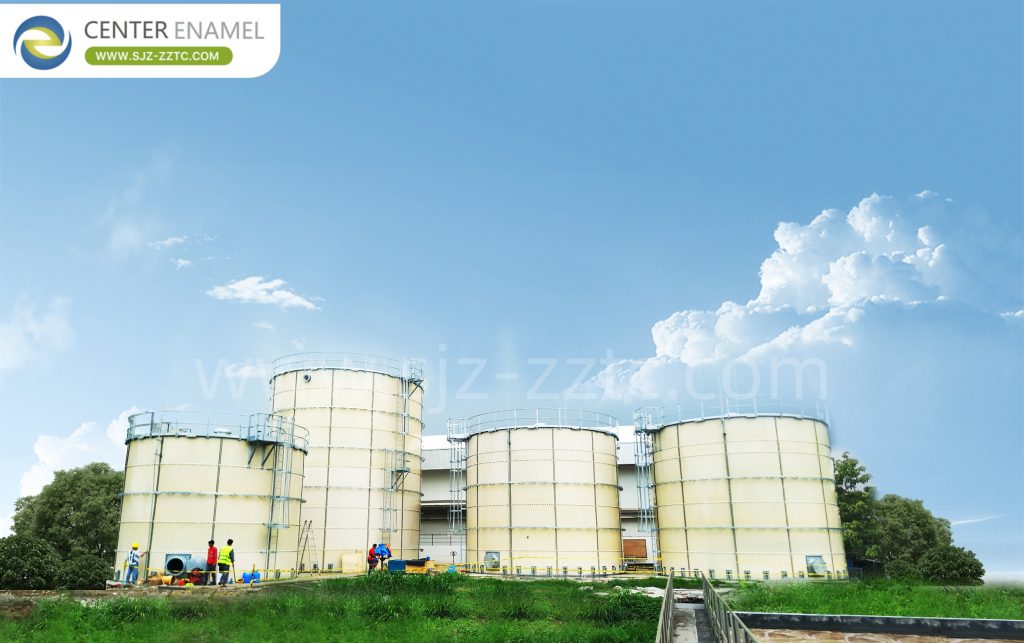
What Is Brewery Wastewater and Why Does It Matter?
Brewery wastewater is the liquid effluent generated throughout the beer production process, from mashing and lautering to fermentation, filtration, and packaging. A typical brewery generates 3 to 5 barrels of wastewater for every barrel of beer produced, with some facilities achieving more efficient ratios of 3.4:1 through careful water management. This substantial volume, combined with high pollutant concentrations, makes brewery wastewater a significant environmental concern.
The composition of brewery wastewater differs dramatically from domestic sewage. While domestic wastewater typically contains COD around 210 mg/L, brewery wastewater without sidestreaming can reach 17,000 mg/L BOD and 12,000 mg/L TSS. This distinction matters because municipal treatment plants often impose strict pretreatment requirements on breweries to prevent shock loading and process upsets.
Key Parameters Defining Brewery Wastewater Composition
Brewery wastewater composition is characterized by several critical parameters that determine treatment requirements and regulatory compliance. The most important indicators include Chemical Oxygen Demand (COD), Biochemical Oxygen Demand (BOD5), Total Suspended Solids (TSS), pH, and nutrient concentrations of nitrogen and phosphorus.
Organic loading represents the most significant challenge. COD values in raw brewery wastewater range from 1,800 to 7,460 mg/L, with averages around 4,928 mg/L in some facilities. BOD5 levels typically range from 1,000 to 4,923 mg/L, with averages around 3,409 mg/L. The BOD5/COD ratio of approximately 0.69 indicates that the organic matter is readily biodegradable, making biological treatment highly effective.
Nutrient composition also demands attention. Nitrogen concentrations range from 30 to 100 mg/L, while phosphorus varies between 10 and 30 mg/L. These nutrients originate from raw ingredients like malt and adjuncts, as well as phosphorus-containing cleaning chemicals used in Clean-in-Place (CIP) systems. While these concentrations may seem modest, they can contribute to eutrophication if discharged into sensitive water bodies.
Typical Concentration Ranges Across Brewery Wastewater Sources
The composition of brewery wastewater varies significantly depending on the specific process step and whether sidestreaming is practiced. The following table summarizes typical characteristics at different collection points.
| Source | pH | BOD (mg/L) | COD (mg/L) | TSS (mg/L) | Key Characteristics |
| Mash Tun | — | Up to 100,000 | — | ~30,000 | Cellulose, sugars, amino acids |
| Boil Kettle | — | ~2,000 | — | — | Nitrogenous residue |
| Whirlpool | — | ~85,000 | — | ~35,000 | Proteins, sludge, wort |
| Fermenters | 4.46 | 93,000 | 156,592 | ~6,000 | Yeast, high organic load |
| Storage Tanks | — | ~80,000 | — | ~4,000 | Beer, yeast, protein |
| Filtration | — | Up to 135,000 | — | Up to 60,000 | Excessive suspended solids |
| Combined Brewery Wastewater | 4.5–8.1 | 1,000–3,409 | 1,800–4,928 | 10–12,000 | Highly variable; readily biodegradable |
Fermentation and filtration operations deserve special attention. These process steps account for only about 3% of total wastewater volume but contribute approximately 97% of the organic load. This concentration effect means that even small sidestreams can dramatically impact overall treatment requirements.
The pH of brewery wastewater typically ranges from 4.5 to 8.5, though extreme values occur during specific operations. Fermenter wastewater often measures around pH 4.46 due to residual beer and yeast, while CIP discharges can be highly alkaline from caustic cleaning solutions. This variability necessitates pH neutralization before biological treatment or municipal discharge.
Environmental Impacts of Untreated Brewery Effluent
Discharging untreated brewery wastewater causes multiple environmental problems. The high organic content exerts enormous oxygen demand on receiving waters, potentially creating hypoxic zones that devastate aquatic life. When brewery effluent enters a stream or river, microbial decomposition of organic matter rapidly depletes dissolved oxygen, leading to fish kills and ecosystem degradation.
Nutrient pollution from nitrogen and phosphorus compounds stimulates excessive algal growth, a process known as eutrophication. Algal blooms block sunlight, deplete oxygen when they decompose, and can produce harmful toxins. Additionally, the high suspended solids content in brewery wastewater can smother benthic habitats and clog fish gills.
Beyond ecological damage, untreated discharge violates environmental regulations and exposes breweries to substantial fines and legal liability. Many jurisdictions require breweries to obtain discharge permits and meet specific effluent limits, with monitoring and reporting obligations.
Treatment Methods for Brewery Wastewater
Effective brewery wastewater treatment combines multiple technologies to address the diverse pollutant profile. The choice of treatment approach depends on discharge requirements, available space, capital and operating costs, and whether the brewery discharges to a municipal sewer or treats to surface water standards.
Physical Pretreatment
Screening and sedimentation form the foundation of any treatment system. Bar screens remove large solids like spent grain and packaging debris, while primary clarifiers or dissolved air flotation units remove suspended solids and fats, oils, and grease. Some breweries practice flow equalization to buffer the highly variable flows and concentrations characteristic of batch brewing operations.
Biological Treatment
The biodegradable nature of brewery wastewater makes biological treatment highly effective. Anaerobic digestion, particularly upflow anaerobic sludge blanket (UASB) reactors, converts organic matter into biogas while achieving 75-90% COD removal. This approach offers the dual benefit of pollution reduction and renewable energy generation.
Aerobic treatment follows anaerobic processing to polish effluent and remove remaining organic matter and nutrients. Conventional activated sludge, membrane bioreactors (MBR), and sequencing batch reactors all effectively treat brewery wastewater. A case study from a Heineken facility demonstrated that a UASB reactor reduced COD from 4,444 mg/L to 531 mg/L, with subsequent aeration achieving final concentrations of 136 mg/L.
Emerging Technologies
Innovative approaches continue to emerge. Microbial fuel cells (MFCs) offer simultaneous wastewater treatment and electricity generation, with a nine-cell stacked system achieving 93% COD removal from craft brewery wastewater. Vegetation filters, a nature-based solution using poplar and willow species, show promise for smaller operations, though salinity management remains challenging.
The following table compares major treatment technologies:
| Treatment Method | COD Removal | Key Advantages | Considerations |
| Anaerobic Digestion | 75–90% | Biogas production; low sludge | Requires post-treatment; sensitive to loading |
| Activated Sludge | 85–95% | Well-established; reliable | Energy-intensive; sludge disposal |
| Membrane Bioreactor | >95% | Excellent effluent quality; compact | High capital and operating costs |
| Microbial Fuel Cells | ~93% | Energy recovery; low sludge | Emerging technology; scaling challenges |
| Vegetation Filters | Variable | Low cost; aesthetic | Land-intensive; salinity sensitivity |
Regulatory Considerations and Compliance Strategies
Breweries face increasingly stringent discharge regulations. In the United States, breweries discharging to municipal sewers must comply with pretreatment standards under 40 CFR Part 403, while direct dischargers require National Pollutant Discharge Elimination System (NPDES) permits. Many municipalities impose specific limits on BOD, TSS, pH, and flow rates for brewery dischargers.
Typical municipal pretreatment limits for breweries include pH between 6.5 and 8.5, BOD5 and TSS limits ranging from 30 to 45 mg/L, and prohibitions on discharging solids greater than ½ inch in diameter. Some permits specifically prohibit tank heels, spent yeast, and acidic or caustic solutions from entering the sewer system.
Compliance strategies begin with source reduction and pollution prevention. Practices like dry cleanup before wet washing, spent grain segregation, and chemical recovery can dramatically reduce organic loads. One brewery case study identified CIP discharges from fermenters and waste beer from taprooms as the largest contributors to BOD loading, accounting for over 20 pounds per day combined.
Many breweries now explore collaborative treatment with municipal wastewater plants. Research demonstrates that adding brewery wastewater as a carbon source can improve denitrification efficiency in municipal systems, reducing treatment costs and carbon emissions for both parties. This approach works because brewery wastewater contains low nitrogen and phosphorus concentrations relative to its carbon content, making it an ideal supplemental carbon source.
FAQ
What are the main pollutants in brewery wastewater?
The primary pollutants in brewery wastewater are biodegradable organic matter (measured as BOD and COD), suspended solids, and nutrients. BOD5 typically ranges from 1,000 to 4,923 mg/L, while COD ranges from 1,800 to 7,460 mg/L. Suspended solids come from spent grain, yeast, and filter aids. Nitrogen and phosphorus originate from raw ingredients and cleaning chemicals.
How does brewery wastewater affect municipal treatment plants?
Untreated brewery wastewater can overwhelm municipal treatment plants through hydraulic and organic shock loading. High BOD concentrations rapidly consume dissolved oxygen, potentially causing process upsets. Many municipalities require breweries to pretreat effluent before discharge, particularly to equalize flow, neutralize pH, and remove excessive solids. However, some plants value brewery wastewater as a carbon source for denitrification.
What is the most common treatment method for brewery wastewater?
Anaerobic digestion followed by aerobic polishing is the most widely adopted approach for high-strength brewery wastewater. Anaerobic treatment efficiently reduces organic load while generating biogas, while subsequent aerobic treatment removes remaining BOD and nutrients. For smaller craft breweries discharging to municipal sewers, flow equalization and pH neutralization may suffice as pretreatment.