
What is Cassava Wastewater? Comprehensive Guide to Treatment Processes
Cassava is a major staple crop and industrial raw material worldwide, widely used in starch production, animal feed, and bioethanol manufacturing. However, processing cassava requires massive amounts of water, resulting in the generation of high-strength industrial effluent. Understanding cassava wastewater and implementing efficient treatment technologies are critical for environmental compliance and sustainable industrial operations.
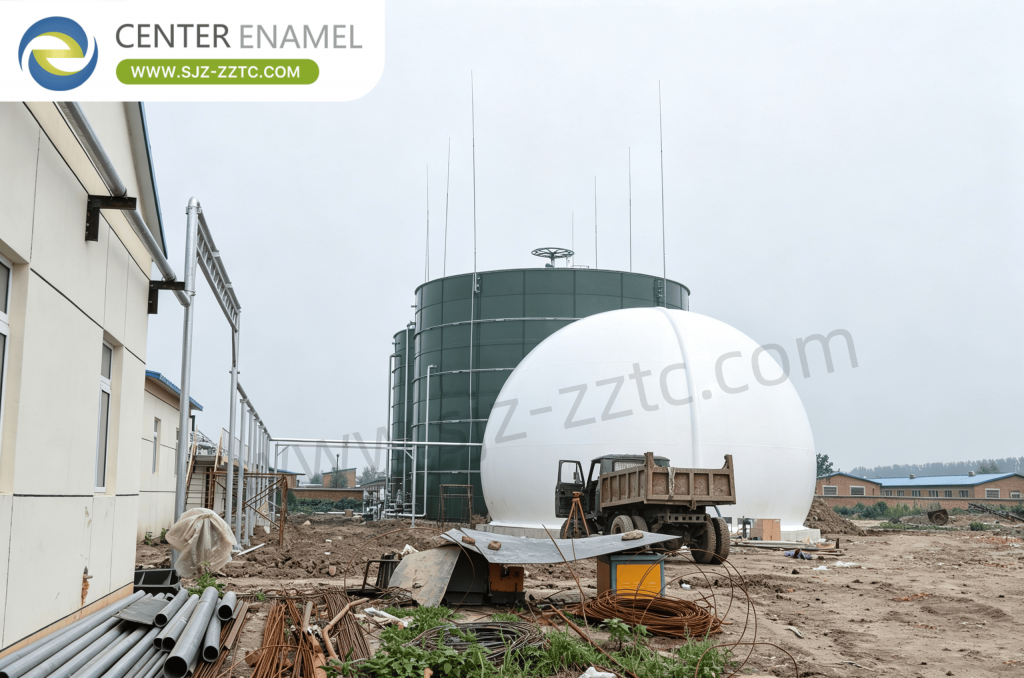
What is Cassava Wastewater and Its Core Characteristics?
Cassava wastewater is the liquid byproduct generated during the washing, peeling, grating, and starch extraction stages of cassava processing. It is notorious for its severe pollution load.
The primary characteristics of cassava effluent include:
High Organic Concentration: Extremely high Chemical Oxygen Demand (COD) and Biochemical Oxygen Demand (BOD) due to dissolved starches, sugars, and fibers.
Low pH Levels: The wastewater tends to acidify rapidly due to fermentation processes, resulting in a corrosive environment.
Presence of Cyanogenic Compounds: Fresh cassava contains linamarin, which breaks down into toxic hydrogen cyanide during processing, posing risks to conventional microbial treatment systems.
Overview of Cassava Wastewater Treatment Processes
Treating cassava wastewater requires a multi-stage approach to progressively reduce organic loads and neutralize toxic compounds before safe discharge or reuse. A standard treatment train typically encompasses:
Pre-treatment Stage: Involves screening to remove suspended solids, grit removal, and pH adjustment. Neutralization is crucial to protect downstream biological systems from souring.
Primary Treatment: Sedimentation and equalization tanks help homogenize the flow and settle heavy particulate matter.
Biological Treatment: The heart of the process, usually combining anaerobic and aerobic digestion to break down dissolved organic pollutants effectively.
Advanced Anaerobic and Aerobic Treatment Technologies
Due to the exceptionally high organic strength of cassava wastewater, biological treatment is divided into two primary phases:
Anaerobic Treatment Systems
High-rate anaerobic reactors-such as Upflow Anaerobic Sludge Blanket (UASB) and Continuous Stirred Tank Reactors (CSTR)-are deployed to handle the massive COD load. Anaerobic microorganisms break down complex organic matter in the absence of oxygen, converting pollutants into valuable biogas while reducing energy consumption.
Aerobic Polishing Systems
Following anaerobic treatment, the effluent still contains residual organic matter and nutrients. Aerobic processes, such as the Activated Sludge Process, Sequencing Batch Reactors (SBR), or Membrane Bioreactors (MBR), are applied to polish the water, ensuring it meets strict environmental discharge standards.
Advantages of Converting Cassava Waste into Biogas
Transforming cassava processing byproducts into renewable energy via anaerobic digestion offers transformative environmental and economic benefits:
Green Energy Generation: The anaerobic breakdown of starch-rich cassava wastewater yields a high volume of biogas, rich in methane (CH4), which can be utilized for electricity generation or thermal energy.
Reduced Carbon Footprint: Replacing fossil fuels with self-generated bioenergy significantly cuts greenhouse gas emissions.
Waste-to-Resource Circular Economy: The process converts an environmental liability into clean energy and nutrient-rich digestate that can be repurposed as organic biofertilizer.
Operational Cost Savings: Facilities offset a substantial portion of their internal power requirements, shortening the return on investment (ROI) for environmental infrastructure.
Application Advantages of GFS Storage Tanks in Wastewater and Biogas Projects
In modern biogas and wastewater engineering, containment selection dictates structural longevity. Glass-Fused-to-Steel (GFS) tanks-also known as Glass-Lined-Steel tanks-have become the global industry benchmark.
The structural and operational advantages of GFS tanks include:
Superior Corrosion Resistance: Fusing molten glass to high-strength steel at extreme temperatures (820∘C−930∘C) creates an inert, chemical-resistant barrier completely immune to organic acids and corrosive hydrogen sulfide (H2S) gases.
Zero-Leakage Gas Tightness: GFS tanks provide exceptional airtight integrity, ensuring optimal anaerobic conditions and preventing the escape of potent methane gas.
Rapid Modular Construction: Bolted panel assembly cuts down construction time drastically compared to traditional cast-in-place concrete, allowing projects to be commissioned faster.
Extended Service Life: GFS tanks offer a design life exceeding 30 years with minimal maintenance requirements, delivering an optimal Total Cost of Ownership (TCO).
Center Enamel: Professional Wastewater and Biogas Project Solution Provider
Center Enamel is a globally recognized leader and premier manufacturer specializing in bolted tanks and comprehensive environmental engineering solutions. Backed by decades of manufacturing expertise, Center Enamel provides advanced Glass-Fused-to-Steel (GFS) tanks, Epoxy Coated Tanks, and specialized Double Membrane Roofs tailored for complex industrial wastewater and biogas applications.
Serving clients across municipal and industrial sectors worldwide, Center Enamel integrates cutting-edge material science with robust structural design. Their turnkey solutions empower industrial plants-including bioethanol and starch processing facilities-to achieve strict environmental compliance, maximize renewable energy recovery, and drive long-term sustainability.
Frequently Asked Questions (FAQ)
Q1: Why is cassava wastewater difficult to treat using conventional methods?
A: Cassava wastewater features exceptionally high concentrations of dissolved starches and organic matter (high COD), along with rapid acidification properties and low pH levels. Traditional municipal sewage systems are easily overwhelmed by these extreme loads without dedicated high-rate anaerobic pre-treatment and strict pH buffering.
Q2: How does the GFS tank withstand the corrosive environment of a biogas digester?
A: GFS tanks are manufactured by fusing specialized glass enamel onto structural steel plates at temperatures between 820∘C and 930∘C. This process creates a molecular bond that couples the mechanical strength of steel with the absolute chemical inertness of glass, protecting the tank structure from volatile organic acids and H2S gas corrosion.
Q3: What makes Center Enamel an ideal partner for industrial wastewater projects?
A: Center Enamel combines world-class manufacturing capabilities for modular tank systems (such as GFS and epoxy tanks) with deep engineering expertise in anaerobic digestion and biogas recovery. Their customizable, high-durability solutions ensure rapid deployment, seamless operation, and long-term asset security for global industrial clients.