
Chemical Wastewater Treatment Technology: A Complete Guide to Anaerobic IC and Advanced Processes
Chemical wastewater treatment technology is not a one-size-fits-all discipline. Effluent from chemical plants varies wildly in composition—from high-strength organic streams with COD exceeding 10,000 mg/L to saline brines laden with recalcitrant solvents. Selecting the right treatment train requires matching process capabilities to specific waste characteristics, discharge standards, and operational economics. Among the most significant advances in recent decades is the anaerobic internal circulation (IC) reactor, a third-generation high-rate anaerobic system that has reshaped how industries handle high-organic-load effluents. This article examines the core technologies, compares their performance, and provides practical guidance for engineers and plant managers evaluating chemical wastewater treatment options.
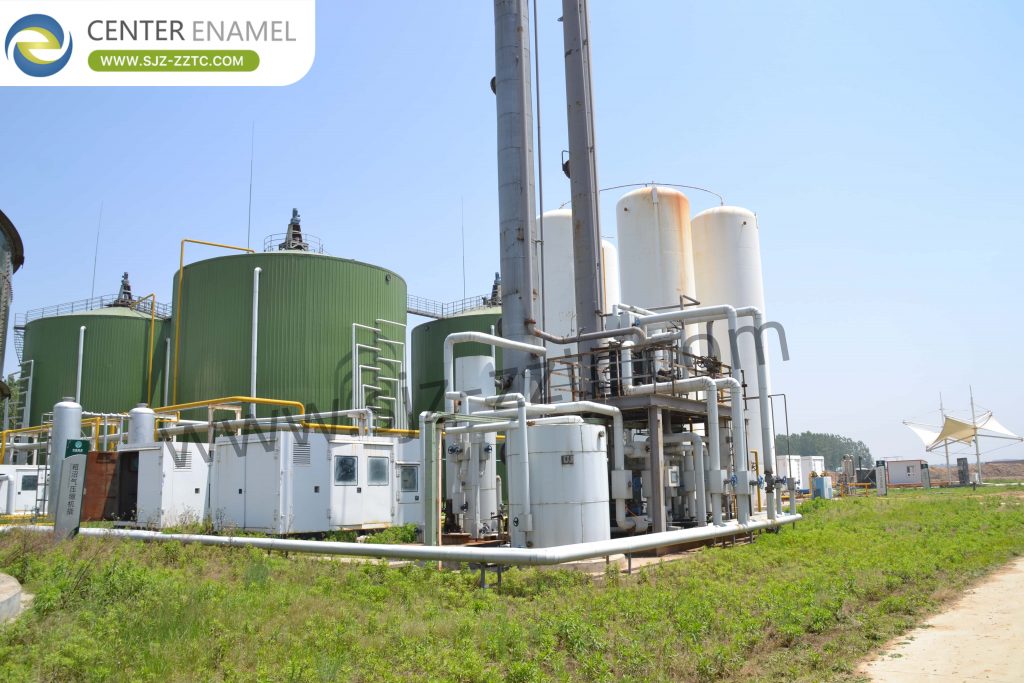
Understanding the Unique Challenges of Chemical Wastewater
Chemical industry wastewater differs from municipal sewage in several critical ways. It often contains high concentrations of organic matter, toxic or inhibitory compounds, extreme pH swings, and variable salinity. A single pharmaceutical or petrochemical facility may discharge multiple streams with entirely different characteristics—some biodegradable, others refractory, and many requiring segregation before treatment.
The variability itself is a challenge. Sudden changes in influent COD can destabilize biological systems. For example, research on membrane bioreactors treating industrial effluent showed that increasing influent COD from 600 mg/L to 1300 mg/L reduced nitrogen removal by 40% in one system. Organic solvents such as tetrahydrofuran can irreversibly damage polymeric membranes and shock biological cultures. These realities mean that chemical wastewater treatment must prioritize robustness and process stability alongside removal efficiency.
Anaerobic Biological Treatment: The Role of the IC Reactor
Anaerobic treatment converts organic matter into biogas while producing far less excess sludge than aerobic processes. For chemical wastewater with high organic strength, anaerobic digestion is often the most economically attractive first step. Among anaerobic configurations, the internal circulation (IC) reactor represents the third generation of high-rate designs, following conventional digesters and upflow anaerobic sludge blanket (UASB) systems.
The IC reactor’s defining feature is its internal gas-lift circulation, which creates a two-chamber reaction zone with intense mixing between granular biomass and wastewater. This design supports exceptionally high organic loading rates and excellent operational stability. In a recent engineering-scale comparison of IC and UMAR reactors treating high-strength pulping wastewater, the integrated pretreatment plus IC system achieved an overall COD removal of 83.1% at an influent COD of approximately 12,550 mg/L over 360 days of continuous operation. The IC reactor’s strong internal circulation was found to drive distinct microbial functional differentiation compared to multi-stage configurations, enhancing solid-liquid contact and volumetric load capacity.
The table below compares three generations of anaerobic reactors for chemical wastewater applications.
| Reactor Type | Generation | Typical HRT | Key Characteristic | Best Suited For |
| Conventional Anaerobic Digester | First | 15–30 days | Complete mixing, low loading rate | Sludge stabilization, low-strength streams |
| UASB | Second | 6–12 hours | Granular sludge blanket, gas-solid separation | Medium to high-strength organic wastewater |
| IC Reactor | Third | 2–6 hours | Internal gas-lift circulation, two-stage separation | High-strength, high-load chemical effluent |
Advanced Oxidation Processes for Recalcitrant Chemical Pollutants
Not all chemical wastewater is biodegradable. Streams containing electron-deficient compounds such as nitrobenzene, or complex dyes and solvents, resist biological breakdown and require chemical oxidation. Advanced oxidation processes (AOPs) generate highly reactive hydroxyl radicals that attack recalcitrant molecular structures.
Conventional Fenton and ozone-based AOPs have well-known limitations: hazardous peroxide transport, narrow pH operating windows, and high reagent consumption. Recent innovation has focused on self-regulating systems. A calcium peroxide-ozone (CaO₂/O₃) system, for instance, uses solid CaO₂ as a substitute for liquid hydrogen peroxide. When the solid peroxide hydrolyzes, it consumes H⁺ and releases H₂O₂ gradually, simultaneously self-regulating pH and extending oxidant availability. Pilot-scale testing at 60 L demonstrated effective degradation of nitrobenzene and other refractory pollutants with improved oxidant utilization efficiency. For chemical plants dealing with toxic or non-biodegradable fractions, AOPs serve as either a pre-treatment step to improve biodegradability or a polishing stage before discharge.
Membrane Bioreactors: High-Quality Effluent with Operational Trade-offs
Membrane bioreactors (MBRs) couple biological treatment with membrane filtration, retaining all suspended solids and biomass. This produces effluent of consistently high quality suitable for reuse or stringent discharge limits. MBRs operate at mixed liquor suspended solids concentrations of 10–15 g/L—far higher than conventional activated sludge systems—which reduces footprint and improves nutrient removal.
However, chemical wastewater exposes membranes to harsh conditions. Polymeric membranes made from PVDF or PES can swell, embrittle, or dissolve when exposed to polar organic solvents over extended periods. Membrane fouling remains the primary operational challenge, and the chemical cleaning agents used to restore flux can themselves degrade membrane integrity, shortening lifespan and increasing replacement costs. For chemical facilities considering MBR technology, pilot testing with actual wastewater—not synthetic substitutes—is essential to validate membrane compatibility and establish realistic cleaning protocols.
Integration Strategies: Matching Treatment Trains to Waste Characteristics
The most effective chemical wastewater treatment systems combine multiple technologies in series. A typical high-strength chemical effluent might follow this sequence: pretreatment (screening, equalization, pH adjustment) → anaerobic IC reactor for bulk COD removal and biogas recovery → aerobic or anoxic polishing → membrane filtration or AOP for final polishing.
The table below summarizes treatment objectives and appropriate technology matches.
| Treatment Objective | Recommended Technology | Key Consideration |
| Bulk COD removal (>80%) | Anaerobic IC reactor | Requires granule cultivation and temperature control |
| Recalcitrant compound degradation | CaO₂/O₃ or Fenton-like AOP | Reagent cost and sludge management |
| High-quality effluent for reuse | MBR | Membrane compatibility with solvents |
| Ammonia and nutrient removal | Anoxic/oxic biological stages | Carbon-to-nitrogen ratio adjustment |
| Dissolved solids reduction | Reverse osmosis or LSRRO | Osmotic pressure limits, brine disposal |
Economic and Operational Considerations
Technology selection ultimately depends on total cost of ownership. Anaerobic processes offer a dual benefit: they consume less energy than aerobic treatment and produce biogas that can offset plant fuel demand. A comparative energy analysis of anaerobic reactors for starch wastewater found that the IC reactor, with its short hydraulic retention time of approximately 5 hours, required significantly less reactor volume and heating energy than first- or second-generation alternatives.
For AOPs, reagent consumption dominates operating costs. The CaO₂/O₃ system’s self-regulating pH behavior reduces the need for acid or base addition, improving both economics and safety compared to liquid peroxide systems. Membrane systems carry high capital costs and membrane replacement is a recurring expense, but the ability to reuse treated water can offset these costs in water-scarce regions or facilities facing high discharge fees.
Three Frequently Asked Questions
1. Can an IC reactor handle wastewater containing toxic solvents?
IC reactors are more robust than conventional anaerobic systems due to their high biomass concentration and intense mixing, but toxicity thresholds still apply. High concentrations of solvents such as tetrahydrofuran can inhibit methanogenic activity. For wastewaters with known toxic fractions, dilution, pretreatment, or segregation of toxic streams is advisable before anaerobic treatment. Pilot or bench-scale toxicity testing with the actual effluent is strongly recommended.
2. What is the minimum COD concentration for anaerobic treatment to be economically viable?
Anaerobic treatment is generally most economical when influent COD exceeds 2,000–3,000 mg/L. Below this range, biogas production may not offset heating and pumping costs, and aerobic treatment becomes more competitive. Chemical wastewater streams with COD above 5,000 mg/L are strong candidates for IC reactor technology, particularly when discharge fees are high or biogas can be used on-site.
3. How does the IC reactor compare to UASB for chemical wastewater?
The IC reactor offers higher organic loading rates and a smaller footprint than UASB because its internal circulation provides better biomass-wastewater contact and mass transfer. For space-constrained plants or very high-strength effluents, the IC reactor is often the preferred choice. UASB remains a proven, simpler option for moderate-strength streams where operational simplicity and lower capital cost are prioritized.
Selecting the right chemical wastewater treatment technology requires site-specific evaluation of effluent characteristics, discharge requirements, and lifecycle costs. Our engineering team can help you assess whether an anaerobic IC reactor, advanced oxidation, or an integrated treatment train is the best fit for your facility. Contact us to discuss your project requirements and request a preliminary process evaluation.