
What is Chemical Wastewater?
Chemical wastewater, also known as industrial chemical effluent, represents one of the most complex and hazardous byproducts of modern manufacturing. Unlike domestic sewage, which primarily contains biodegradable organic matter, chemical wastewater is laden with toxic compounds, heavy metals, acids, alkalis, and synthetic chemicals that resist natural degradation. If not properly contained and treated, this effluent poses severe threats to ecosystems, groundwater quality, and public health.
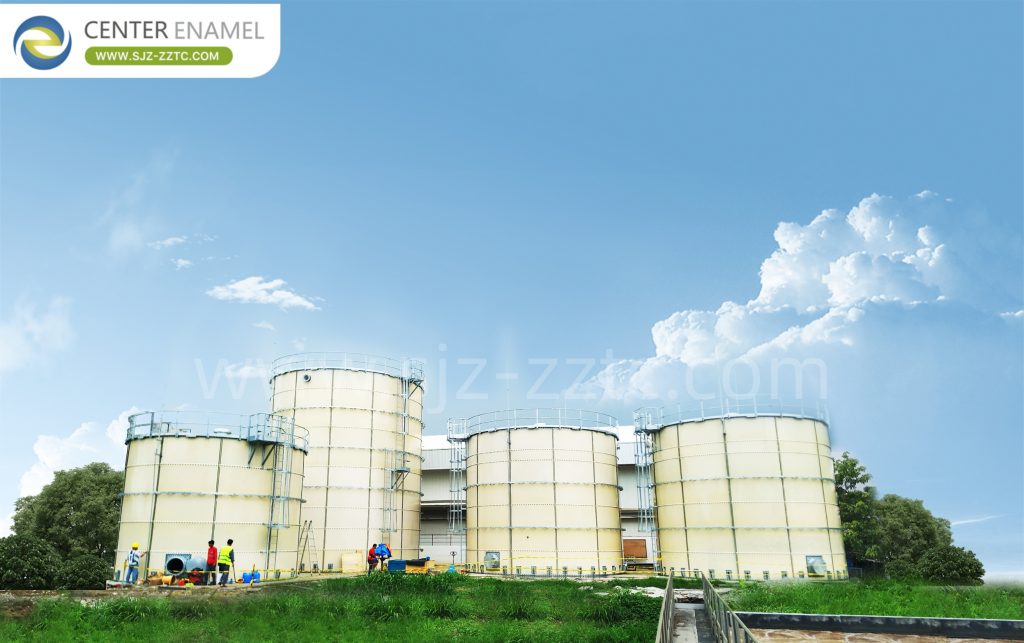
Managing chemical wastewater requires a multi-faceted approach: understanding its composition, implementing effective treatment processes, and-crucially-investing in robust, corrosion-resistant storage infrastructure. This article provides a comprehensive overview of chemical wastewater, its environmental impact, treatment strategies, and the critical role of advanced storage technologies like Glass-Fused-to-Steel (GFS) tanks in ensuring safe and sustainable industrial operations.
What Is Chemical Wastewater? A Technical Definition
Chemical wastewater is defined as any aqueous effluent generated from industrial manufacturing, chemical synthesis, laboratory research, or processing activities that contains dissolved, suspended, or emulsified chemical substances not naturally found in water. These substances are typically toxic, non-biodegradable, reactive, or characterized by extreme pH levels.
The defining feature of chemical wastewater is its complexity and variability. Unlike municipal wastewater, which has relatively consistent composition, chemical effluent can fluctuate dramatically in pollutant load, pH, temperature, and toxicity depending on production cycles, raw material changes, and cleaning processes.
Key quantitative indicators of chemical wastewater include:
High Chemical Oxygen Demand (COD): Often exceeding 10,000 mg/L, indicating a high concentration of oxidizable organic matter.
High Total Dissolved Solids (TDS): Elevated salt concentrations that complicate biological treatment and increase corrosion potential.
Heavy Metal Content: Elements like chromium, lead, mercury, and cadmium that are persistent and bioaccumulative.
Extreme pH: Ranging from highly acidic (pH < 2) to highly alkaline (pH > 12).
Major Sources and Industrial Contributors
Chemical wastewater originates from a wide spectrum of industries, each contributing unique pollutant profiles. Understanding the source is essential for designing effective treatment and storage systems.
| Industry | Typical Pollutants | Wastewater Characteristics |
| Petrochemical & Refining | Oils, phenols, sulfides, volatile organic compounds (VOCs), ammonia | High COD, oily emulsions, variable pH |
| Pharmaceutical Production | Solvents, antibiotics, active pharmaceutical ingredients (APIs), high-strength organics | Toxic to microorganisms, high TDS, refractory compounds |
| Textile & Dyeing | Synthetic dyes, surfactants, heavy metals (chromium, copper), salts | Intense color, high COD, high salinity, variable pH |
| Metal Finishing & Plating | Acids, cyanides, heavy metals (nickel, zinc, cadmium), alkaline cleaners | Highly toxic, extreme pH (acidic or caustic), high heavy metal concentrations |
| Agrochemical & Pesticide | Organophosphates, chlorinated compounds, solvents, ammonia | Highly toxic, persistent organic pollutants (POPs), non-biodegradable |
| Fine Chemicals & Intermediates | Mixed organic solvents, acids, bases, catalyst residues | High variability, high COD, often contains chlorinated or halogenated compounds |
Each of these industries faces unique challenges. For example, textile wastewater is notorious for its high color and salinity, which can inhibit biological treatment, while petrochemical effluent often contains emulsified oils that require specialized separation techniques. The common denominator across all sectors is the need for durable, chemically inert storage to prevent leaks and contamination during the treatment process.
Key Pollution Characteristics and Why They Matter
The treatment difficulty of chemical wastewater is directly linked to its specific pollution characteristics. Extensive research using analytical techniques like ion chromatography and gas chromatography-mass spectrometry (GC/MS) has identified several critical parameters that define this effluent type.
1. High Chemical Oxygen Demand (COD) and Biochemical Oxygen Demand (BOD)
Chemical wastewater typically exhibits very high COD levels, indicating a substantial load of organic matter that can deplete dissolved oxygen in receiving water bodies. The BOD/COD ratio is often low (below 0.3), signifying that a large portion of the organic content is refractory-meaning it resists biological breakdown.
2. Toxic and Refractory Organic Compounds
Many organic compounds found in chemical wastewater-such as polycyclic aromatic hydrocarbons (PAHs), chlorinated solvents, and synthetic dyes-are "hardly biodegradable." These substances can pass through conventional biological treatment systems unchanged, persisting in the environment and bioaccumulating in aquatic organisms.
3. Heavy Metals
Heavy metals like mercury, lead, chromium (VI), and cadmium are non-degradable and highly toxic even at trace concentrations. They inhibit microbial activity in biological treatment processes and, if released, can contaminate soil and groundwater for decades.
4. High Ammonia Nitrogen
Elevated ammonia levels contribute to eutrophication and are acutely toxic to aquatic life. Ammonia also places a significant oxygen demand on receiving waters during its nitrification process.
5. Extreme pH and Salinity
The pH of chemical wastewater can range from highly acidic (pH 1–3) to highly alkaline (pH 11–14). Such extremes are corrosive to conventional storage materials and can disrupt biological treatment systems. High salt concentrations further exacerbate corrosion risks and reduce the efficiency of membrane-based treatment processes.
These characteristics make it clear that standard municipal wastewater treatment infrastructure is inadequate for chemical effluents. Specialized, corrosion-resistant equipment-from pipes and pumps to storage tanks-is non-negotiable.
Environmental and Health Risks of Untreated Chemical Effluent
The discharge of untreated or inadequately treated chemical wastewater carries profound environmental and public health consequences. The pollutants identified above are not merely aesthetic or operational nuisances; they represent genuine, long-term threats.
Environmental Impact:
Eutrophication: High nitrogen and phosphorus loads trigger excessive algal growth, leading to oxygen depletion, fish kills, and the destruction of aquatic habitats.
Groundwater Contamination: Toxic chemicals and heavy metals can leach through soil into aquifers, rendering groundwater supplies unusable for drinking or agriculture for generations.
Ecosystem Disruption: Persistent organic pollutants (POPs) disrupt endocrine systems in wildlife, causing reproductive failure and population declines.
Soil Degradation: Spills or leaks can contaminate agricultural land, introducing heavy metals that are taken up by crops and enter the food chain.
Human Health Risks:
Drinking Water Contamination: Leaching from substandard storage or treatment facilities can introduce carcinogens, neurotoxins, and endocrine disruptors into public water supplies.
Occupational Hazards: Workers handling chemical effluent without proper containment face risks of chemical burns, respiratory distress, and chronic health conditions from vapor exposure.
Bioaccumulation: Heavy metals and POPs accumulate in fatty tissues of fish and livestock, eventually reaching humans through dietary exposure, leading to neurological, renal, and developmental disorders.
In response to these risks, regulatory bodies worldwide have tightened discharge limits and mandated comprehensive treatment systems. Many jurisdictions now require Zero Liquid Discharge (ZLD) for high-risk industrial sectors, making safe, leak-proof storage a regulatory and operational necessity.
Comprehensive Treatment Strategies for Chemical Wastewater
Effective chemical wastewater treatment typically requires a multi-stage approach that combines physical, chemical, and biological processes. The goal is to sequentially remove suspended solids, neutralize pH, break down refractory organics, and eliminate dissolved contaminants.
1. Pre-Treatment (Physical and Chemical):
Equalization: Balancing pH and flow rate to stabilize the influent load for downstream processes.
Coagulation and Flocculation: Adding chemicals like alum or ferric chloride to aggregate fine suspended particles and some heavy metals for sedimentation.
Dissolved Air Flotation (DAF): Effective for removing oils, greases, and light suspended solids.
Neutralization: Adjusting pH to neutral levels (6–9) to protect downstream biological systems and equipment.
2. Secondary Treatment (Biological):
Activated Sludge: A conventional process where microorganisms break down organic matter. However, due to the inhibitory effects of toxic compounds, this step often requires specialized acclimation or co-treatment with domestic sewage.
Anaerobic Digestion: Useful for high-strength organic effluents, converting complex organics into biogas (methane and CO₂).
MBBR (Moving Bed Biofilm Reactor): Provides a protected surface for biofilm growth, offering resilience to toxic shocks and variable loads.
3. Tertiary Treatment (Advanced):
Advanced Oxidation Processes (AOPs): Techniques like Fenton's reagent, ozonation, or electro-oxidation generate highly reactive hydroxyl radicals that break down non-biodegradable organics into CO₂ and water.
Membrane Filtration: Reverse osmosis (RO) and nanofiltration (NF) remove dissolved salts, heavy metals, and residual organics, often producing water suitable for reuse.
Evaporation and Crystallization: In ZLD systems, water is evaporated, leaving behind solid salts and crystals that can be disposed of as hazardous waste.
All these processes depend on reliable, corrosion-resistant storage tanks for holding raw effluent, intermediate streams, and treated water. The failure of any storage component can lead to catastrophic environmental releases and regulatory penalties.
The Role of GFS Tanks in Chemical Wastewater Storage
At the heart of any chemical wastewater treatment facility lies the storage infrastructure. Chemical effluents are inherently aggressive-they corrode standard carbon steel, degrade concrete, and attack many polymer-based linings. This is where Glass-Fused-to-Steel (GFS) technology proves invaluable.
GFS tanks, engineered by industry leaders like Center Enamel, combine the structural strength of steel with the chemical inertness of glass. The manufacturing process involves firing a specially formulated glass enamel onto the steel substrate at temperatures exceeding 820°C. This creates a permanent, chemical bond that is vitreous, non-porous, and highly resistant to the harsh conditions of chemical wastewater.
Key Advantages of GFS Tanks for Chemical Effluent:
Superior Corrosion Resistance: GFS coatings offer exceptional resistance across a wide pH range (1 to 14), making them suitable for acidic, caustic, and saline effluents.
Long Service Life: With a proven operational lifespan exceeding 30 years, GFS tanks significantly reduce lifecycle costs compared to painted or epoxy-lined alternatives.
Leak-Proof Integrity: The bolted design, combined with high-quality sealing materials, ensures 100% containment, protecting groundwater and soil from contamination.
Low Maintenance: The smooth, non-porous glass surface prevents sludge adhesion and scale buildup, simplifying cleaning and reducing maintenance downtime.
Modular and Expandable: GFS tanks are factory-engineered and shipped as bolted panels, allowing rapid installation and future expansion to accommodate growing facility needs.
GFS vs. Traditional Storage Materials: A Comparative Analysis
To appreciate the value of GFS technology, it is helpful to compare it directly with alternative storage materials commonly used in wastewater applications.
| Feature | Glass-Fused-to-Steel (GFS) | Epoxy-Coated Carbon Steel | Stainless Steel | Reinforced Concrete |
| Corrosion Resistance | Excellent (pH 1–14) | Good (but susceptible to pinholes and UV degradation) | Excellent (varies by grade) | Poor (attacked by acids and sulfates) |
| Service Life | > 30 years | 10–15 years (coating failure common) | > 30 years | 20–30 years (with protective lining) |
| Maintenance Frequency | Very Low | High (re-coating required) | Low | Moderate (crack repair, lining replacement) |
| Installation Speed | Fast (bolted modular panels) | Moderate (field welding + coating) | Slow (field welding) | Very Slow (curing time) |
| Leak Risk | Very Low (factory-fired coating) | Moderate (coating damage during transport/installation) | Low | High (cracking, joint failure) |
| Cost Effectiveness | High (balanced upfront cost + low lifecycle cost) | Low (frequent maintenance) | Low (high material cost) | Moderate (cheap material, high labor) |
| Chemical Inertness | Inert (vitreous glass surface) | Reactive (coating can blister) | Inert | Reactive |
As the table illustrates, GFS tanks offer the optimal balance of corrosion resistance, durability, installation efficiency, and lifecycle economy-making them the preferred choice for demanding chemical wastewater applications.
Environmental Compliance and Industry Standards
For industries handling chemical wastewater, regulatory compliance is not optional. Leading GFS tank manufacturers ensure their products meet the most stringent international standards, providing operators with peace of mind and auditable documentation.
Relevant Certifications:
AWWA D103: US standard for bolted steel tanks used in water and wastewater applications.
ISO 28765: International standard specifically covering GFS tanks for liquid storage.
NSF/ANSI 61: Certification for products that come into contact with drinking water or process water.
AS/NZS 4020: Australian/New Zealand standard for products used in contact with drinking water.
By choosing certified GFS tanks, facility operators can confidently demonstrate to regulators and stakeholders that their storage infrastructure meets the highest benchmarks for safety, durability, and environmental protection.
Conclusion
Chemical wastewater is a complex, hazardous, and highly variable effluent that demands rigorous management. Its high COD, toxic organic content, heavy metals, and extreme pH levels pose serious environmental and health risks if improperly handled. Effective treatment requires a multi-stage approach combining physical, chemical, biological, and advanced processes-all of which depend on reliable, corrosion-resistant storage infrastructure.
Glass-Fused-to-Steel (GFS) tanks represent a proven solution. By fusing a chemically inert glass layer to structural steel, they provide exceptional resistance to aggressive chemicals, a service life exceeding 30 years, low maintenance requirements, and rapid installation. Compared to epoxy-coated steel, stainless steel, or reinforced concrete, GFS technology offers the best balance of performance, durability, and cost-effectiveness.
As environmental regulations continue to tighten and the push for industrial sustainability intensifies, investing in robust storage solutions like GFS tanks is not just a technical decision-it is a strategic imperative for any operation committed to environmental stewardship and operational resilience.
Frequently Asked Questions (FAQs)
1. What is the main difference between chemical wastewater and domestic sewage?
Domestic sewage primarily consists of biodegradable organic matter, nutrients, and pathogens from household sources. It is relatively consistent in composition and amenable to biological treatment. Chemical wastewater, conversely, is generated by industrial processes and contains high concentrations of toxic, synthetic, and non-biodegradable substances-including heavy metals, dyes, solvents, and complex organic compounds. These pollutants often inhibit the microorganisms used in biological treatment, necessitating advanced physical and chemical pre-treatment steps.
2. Why is Glass-Fused-to-Steel (GFS) preferred over carbon steel or concrete for chemical wastewater storage?
Standard carbon steel is vulnerable to rapid corrosion when exposed to acidic, alkaline, or saline effluents, leading to leaks and structural failure. Concrete is similarly attacked by acids and sulfates, causing cracking and permeability issues. GFS tanks feature a vitreous glass coating that is chemically inert, impervious to liquids and vapors, and resistant across a pH range of 1 to 14. This fusion-bonded coating does not peel, blister, or degrade over time, offering a service life exceeding 30 years with minimal maintenance.
3. Can GFS tanks handle high-temperature chemical wastewater streams?
Yes, GFS tanks exhibit excellent resistance to thermal stress. The glass-fused coating is fired onto the steel substrate at temperatures between 820°C and 930°C, resulting in a surface that can withstand elevated operating temperatures and thermal cycling. However, exact temperature limits depend on the specific tank design, coating formulation, and operating environment. For high-temperature applications, it is recommended to consult the manufacturer (e.g., Center Enamel) to confirm the specific temperature ratings and ensure the tank meets the project requirements.