
What is Compost and Biogas? Turning Waste into Gold and Energy
In an era where sustainability is no longer a choice but a necessity, understanding how to recycle organic waste is paramount. Two of the most effective and ancient methods of doing this are composting and biogas production. While both processes start with the same basic ingredients-food scraps, agricultural waste, and manure-they end in very different places: one becomes a soil conditioner, while the other becomes a fuel. This comprehensive guide explores the science, benefits, and applications of both compost and biogas, helping you understand how they contribute to a circular economy.
Defining the Basics: What is Compost?
Compost is the dark, crumbly, and earthy-smelling material that results from the natural decomposition of organic matter. It is often referred to as "black gold" by gardeners and farmers. The process of creating compost involves allowing organic materials (like leaves, grass clippings, fruit peels, and eggshells) to break down naturally in the presence of oxygen. This process is known as aerobic decomposition.
The final product is a nutrient-rich substance that is used primarily to improve soil health. It is not a fertilizer in the traditional sense (high in N-P-K), but rather a soil amendment. It improves soil structure, increases water retention, and feeds beneficial microorganisms. Essentially, compost is the end result of nature’s recycling system, returning vital nutrients to the earth to support new plant growth.
Defining the Basics: What is Biogas?
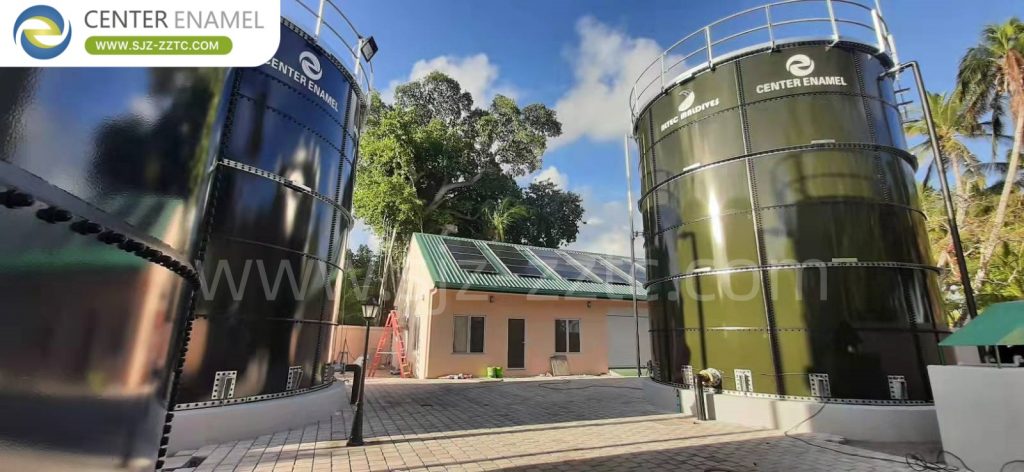
Biogas is a gaseous renewable energy source that is produced when organic matter decomposes in an environment devoid of oxygen. This process is known as anaerobic digestion. Instead of emitting carbon dioxide directly into the atmosphere, the organic matter is placed in a sealed tank called a digester. Over time, specific bacteria break down the material, releasing a mixture of gases.
Biogas is primarily composed of methane (CH4) (usually 50-70%) and carbon dioxide (CO2), with small amounts of hydrogen sulfide and moisture. The high methane content makes it flammable and highly valuable as a fuel source. Unlike compost, which is a physical material, biogas is a gas that can be captured, stored, and utilized to generate heat, electricity, or even power vehicles.
The Chemistry Behind the Processes: Aerobic vs. Anaerobic
The primary difference between these two systems lies in the presence or absence of oxygen.
Composting (Aerobic): This is an oxidative process. Microbes digest the organic matter and use oxygen to break down complex molecules. The chemical reaction releases heat, water, and carbon dioxide. This heat is a byproduct of the microbial activity; a well-managed compost pile can reach internal temperatures of 140°F to 160°F (60°C to 71°C), which is essential for killing pathogens and weed seeds.
Biogas (Anaerobic): This is a reduction process. In the absence of oxygen, a consortium of bacteria (including methanogens) breaks down the material through hydrolysis, acidogenesis, acetogenesis, and methanogenesis. The end result is the production of methane-rich gas. This process is slower to start but is highly efficient at capturing the energy stored in the material, which would otherwise be lost as heat in composting.
Key Ingredients and Feedstocks
Both processes can handle a variety of organic materials, but they have different tolerances for specific types of waste.
For Composting: The ideal mix is a balance of "Greens" (nitrogen-rich) and "Browns" (carbon-rich). Greens include grass clippings, food scraps, and coffee grounds. Browns include dry leaves, straw, wood chips, and cardboard. Composting is generally less tolerant of meat, dairy, and oils because these attract pests and create odors in a home pile. However, industrial composting facilities can handle these.
For Biogas: Anaerobic digesters can handle "wet" biomass. They are excellent for animal manure, sewage sludge, and food processing waste. While they can handle food scraps, they are particularly suited for waste that has a high moisture content. The system is designed to handle materials that would be problematic for a standard backyard compost bin, including fats, oils, and greases (FOG).
The End Products: Soil Builder vs. Energy Source
The outputs of these systems serve entirely different sectors of the economy.
Compost is a solid material used in agriculture, horticulture, and landscaping. It provides the following benefits:
Soil Structure: Binds sandy soil and loosens clay soil.
Water Conservation: Acts like a sponge, reducing the need for irrigation.
Pathogen Suppression: Introduces beneficial microbes that fight off plant diseases.
Carbon Sequestration: Stable carbon is stored in the soil, mitigating climate change.
Biogas is a gas utilized for energy.
Electricity: It can be burned in a gas engine to generate electricity.
Heat: It is used for cooking and industrial heating.
Vehicle Fuel: Upgraded to biomethane (removing CO2), it can power natural gas vehicles.
Digestate: The leftover solid/liquid material from biogas production (called digestate) can often be used as a fertilizer, though it is generally less aerated than compost.
Environmental Impact and Carbon Footprint
Both methods are crucial for reducing greenhouse gas emissions, but they achieve this in different ways.
The most critical factor is the capture of methane. When organic waste decomposes in a landfill (anaerobic environment) without gas capture, it releases methane-a gas that is about 28 times more potent than carbon dioxide over a 100-year period.
Composting reduces methane by diverting waste from landfills. While it emits CO2, this CO2 is part of the natural carbon cycle (the plants absorbed it during growth). Furthermore, compost helps soil sequester carbon.
Biogas actually captures the methane. Instead of letting it escape into the atmosphere, we trap it and burn it. While burning methane produces CO2, it is still better than releasing raw methane. Moreover, biogas offsets the use of fossil fuels.
| Feature | Composting (Aerobic) | Biogas (Anaerobic Digestion) |
| Primary Output | Soil conditioner (Compost) | Energy gas (Methane/CO2) |
| Oxygen Requirement | Requires Oxygen | Oxygen-Free |
| Greenhouse Gas | Emits CO2 and Heat | Captures Methane (CH4) for fuel |
| Best Feedstock | Dry biomass (Leaves, paper) | Wet biomass (Manure, sewage) |
| Pathogen Kill | High heat kills pathogens | Retention time and heat kill pathogens |
| Final Byproduct | Compost only | Biogas and Digestate (fertilizer) |
Which is Better for Homeowners vs. Large Industries?
The scalability of these technologies varies significantly.
For Homeowners:
Composting is the most practical and cost-effective option for the average household. Backyard bins, worm farms (vermicomposting), and trench composting are simple, affordable, and require no machinery. Biogas, while possible on a small scale, requires expensive digesters and careful management of gas pressure, making it less common for the average family. If a household has a large amount of animal manure, however, a small biogas unit might be feasible.
For Industries and Municipalities:
Large-scale biogas plants are highly profitable for food processing companies, farms with thousands of animals, and wastewater treatment plants. The energy generated can power entire facilities or be sold back to the grid. Industries also benefit from the "digestate" to fertilize crops. Municipalities often prefer a combination of both: composting for yard waste and biogas for wet food waste and sewage sludge.
The Future of Circular Waste Management
The future likely holds a hybrid approach where both composting and biogas are integrated. Rather than competing, these technologies complement each other.
A "Zero Waste" facility of the future might separate waste streams: Dry, fiber-rich waste (like cardboard) goes to composting to maintain soil health. Wet, energy-rich waste (like cafeteria food scraps and manure) goes to the anaerobic digester to generate power for the facility. The digestate can then be further composted to stabilize the nutrients before being applied to land. This integration maximizes resource recovery-we extract energy from the waste and then return the minerals to the soil, ensuring a truly circular system.
Conclusion
In the debate of compost vs. biogas, there is no clear "winner." Both are powerful tools in the fight against climate change and waste accumulation. Compost is the gardener's ally, rebuilding the life of the soil and improving agricultural resilience. Biogas is the industrial solution, turning pollution into power and providing a renewable source of energy that reduces our reliance on fossil fuels.
Understanding the science behind "What is compost and biogas?" reveals that we are not just disposing of waste; we are managing resources. By choosing the right process for the right material, we can close the loop on organic waste, ensuring that the nutrients and energy that went into our food are not lost but returned to support future growth and sustainability.
FAQ: Frequently Asked Questions
1. Can I make biogas from the same materials I use for composting?
Yes, to an extent. Both use organic matter, but biogas digesters prefer "wet" materials like manure and food scraps. Composting prefers a mix of "greens" (wet) and "browns" (dry like leaves). If you put dry leaves into a biogas digester, the process will be very slow and inefficient.
2. Is the leftover material from biogas production (digestate) the same as compost?
No. Digestate is the solid or liquid residue left after anaerobic digestion. While it is a valuable fertilizer, it is usually lower in oxygen and contains more readily available ammonium nitrogen. Compost is a stable, humus-like material high in carbon. Digestate often needs to be aerated (similar to composting) before it can be used as a perfect soil amendment, but it works well as a liquid spray fertilizer.
3. Does composting produce methane?
Not if it is done correctly. A well-aerated compost pile uses oxygen, which forces the bacteria to produce carbon dioxide and heat, not methane. Methane is only produced in anaerobic (oxygen-free) conditions. This is why it is so important to turn your compost pile to let the oxygen in! If a pile gets too wet and compacted, it can go "anaerobic" and start to smell, producing a tiny amount of methane.