
What Is Compressed Biogas? A Complete Guide to CBG Production, Standards, and Uses
Compressed biogas (CBG) is a refined, high-purity renewable fuel produced by upgrading raw biogas to meet strict quality standards. While raw biogas from anaerobic digestion typically contains only 55–65% methane, CBG must achieve a methane concentration of at least 90% by volume, making it chemically comparable to compressed natural gas (CNG) and suitable for use in vehicles, industrial processes, and city gas networks .
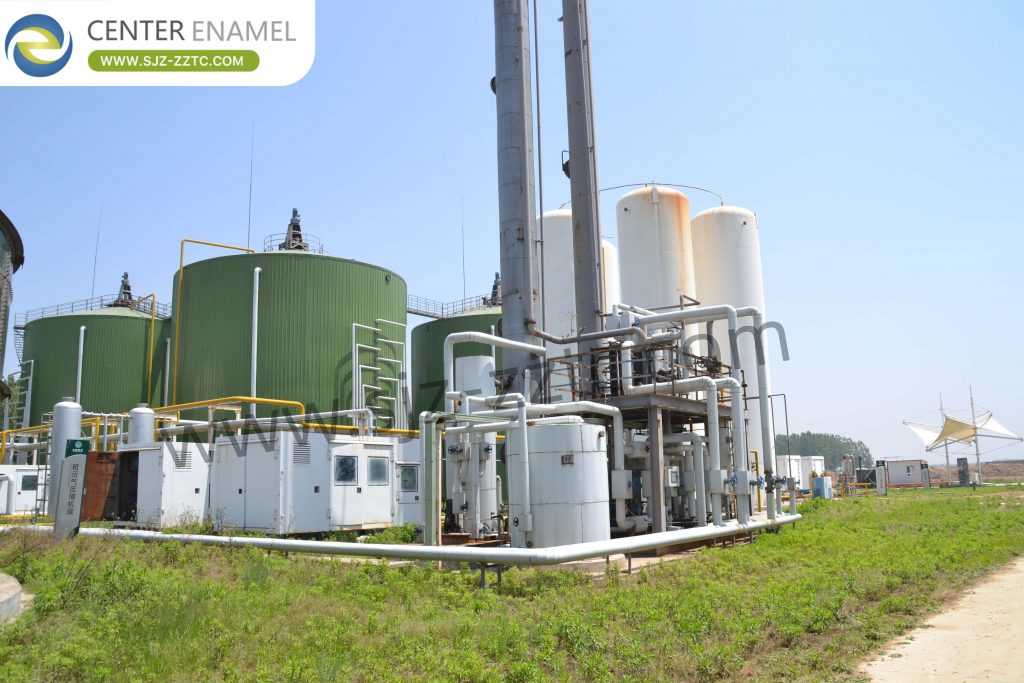
The transformation from raw biogas to CBG involves removing carbon dioxide, hydrogen sulfide, moisture, and other impurities through a series of purification steps, followed by compression to high pressure for storage and transport. Understanding what CBG is-and what it is not-is essential for anyone evaluating renewable fuel options, investing in bioenergy projects, or seeking to decarbonize transportation and industrial operations.
The Chemical Composition and Quality Standards of CBG
The defining characteristic of CBG is its methane purity. Raw biogas from anaerobic digestion contains significant quantities of carbon dioxide (typically 27–45%) along with trace contaminants including hydrogen sulfide, moisture, and volatile organic compounds . CBG production removes these impurities to produce a gas that meets stringent specifications.
In India, the Bureau of Indian Standards specification IS 16087:2016 governs CBG quality. Under this standard, CBG must contain a minimum of 90% methane by volume, with strict limits on moisture, hydrogen sulfide, carbon dioxide, and other impurities . The calorific value of compliant CBG typically ranges from 52,000 to 57,000 kJ/kg, which is comparable to conventional natural gas and suitable for injection into city gas distribution networks .
The table below summarizes the key quality parameters that distinguish CBG from raw biogas.
| Parameter | Raw Biogas (Typical) | Compressed Biogas (CBG) |
| Methane (CH₄) content | 54–70% | ≥ 90% |
| Carbon dioxide (CO₂) | 27–45% | Limited to a few percent |
| Hydrogen sulfide (H₂S) | 600–700+ ppm | Trace levels only |
| Moisture | Saturated | Reduced to ppm levels |
| Calorific value | Lower, variable | 52,000–57,000 kJ/kg |
| Suitability for vehicles | Not suitable | Suitable (CNG equivalent) |
How CBG Is Produced: From Organic Waste to Renewable Fuel
CBG production begins with anaerobic digestion, the same biological process that produces raw biogas. Feedstocks include agricultural waste, cow dung, poultry litter, food waste, press mud from sugar mills, municipal solid waste, and sewage sludge . Microorganisms break down this organic matter in the absence of oxygen, generating a gas mixture primarily composed of methane and carbon dioxide.
The critical difference between raw biogas and CBG lies in the upgrading process. Raw biogas cannot be used directly in vehicles or injected into gas grids because its carbon dioxide content reduces energy density and its contaminants can corrode equipment. Upgrading removes these impurities through multiple stages. Common technologies include membrane separation, which uses selective membranes to separate methane from carbon dioxide; pressure swing adsorption (PSA), which uses adsorbent materials to capture impurities under pressure; and water scrubbing, which exploits the different solubilities of methane and carbon dioxide . After upgrading, the gas is compressed to high pressure-typically 200–250 bar-for storage in cascades or transport via pipelines.
India has emerged as a major CBG producer, with approximately 160 operational plants and over 240 under construction as of recent reporting . The government's SATAT (Sustainable Alternative Towards Affordable Transportation) program and the newer GOBARdhan scheme have driven significant investment in CBG infrastructure, aiming to integrate renewable gas into the national energy mix .
The Upgrading Technologies That Transform Biogas into CBG
Several competing technologies are used to upgrade raw biogas to CBG quality. Each has distinct advantages and limitations depending on plant scale, feedstock characteristics, and local conditions.
Membrane separation is increasingly popular for CBG production. Polyimide membranes selectively permeate carbon dioxide while retaining methane, enabling methane recovery rates exceeding 90% . Multi-stage membrane configurations can achieve the high purity required for grid injection or vehicle fuel.
Pressure swing adsorption (PSA) uses adsorbent materials such as zeolites or activated carbon to capture carbon dioxide and other impurities under elevated pressure. When the pressure is released, the adsorbent regenerates, allowing continuous operation with multiple vessels . PSA systems are well-suited for medium-to-large CBG plants.
Water scrubbing relies on the higher solubility of carbon dioxide in water compared to methane. While simpler and often less expensive to operate, water scrubbing produces a methane stream that may require additional polishing to meet stringent CBG specifications.
The table below compares the primary upgrading technologies used in CBG production.
| Technology | Principle | Key Advantages | Considerations |
| Membrane Separation | Selective permeation of CO₂ through polymer membranes | High methane recovery, compact footprint | Multiple stages may be needed for high purity |
| Pressure Swing Adsorption | Adsorption of impurities onto zeolites or carbon under pressure | Proven technology, continuous operation | Energy required for pressure cycling |
| Water Scrubbing | CO₂ dissolves in water at high pressure | Simple operation, lower capital cost | May require additional polishing step |
| Chemical Scrubbing | Amine solutions absorb CO₂ chemically | High purity achievable | Higher energy input for regeneration |
CBG Versus Raw Biogas: Why Upgrading Is Essential
The distinction between raw biogas and CBG is not merely a matter of degree-it determines the range of viable applications. Raw biogas, with its lower methane content and corrosive contaminants, is suitable primarily for on-site thermal applications such as cooking, heating, or electricity generation in modified engines . It cannot be economically transported over long distances or used in conventional natural gas vehicles without extensive engine modifications and reduced performance.
CBG, by contrast, is a drop-in fuel. Its high methane purity and low contaminant levels allow it to be used in the same engines, pipelines, and appliances designed for compressed natural gas. This interoperability is the central value proposition of CBG: it decarbonizes existing gas infrastructure without requiring end-users to replace equipment or adopt unfamiliar technologies.
The environmental benefits are equally significant. CBG production captures methane that would otherwise be released from decomposing organic waste-methane with a global warming potential approximately 28 times that of carbon dioxide over a 100-year horizon . When this captured methane displaces fossil natural gas, the net greenhouse gas reduction can be substantial, even when accounting for the energy used in the upgrading process.
Applications of CBG: Transportation, Industry, and City Gas Networks
CBG serves three primary markets. The first is transportation, where it functions as a renewable substitute for CNG in buses, trucks, and passenger vehicles. Countries with established CNG infrastructure, particularly India, have promoted CBG as a route to reducing oil imports and urban air pollution .
The second market is industrial and commercial gas supply. CBG can be injected into city gas distribution networks, blended with natural gas, or used directly by industrial facilities seeking to reduce their carbon footprint. In India, city gas distributors are subject to an increasing CBG blending obligation-3% in FY2026-27, rising to 5% from FY2028-29 onward-which creates a mandated demand base for producers .
The third application is rural and agricultural energy. Decentralized CBG plants at dairy farms or agricultural cooperatives can produce fuel for local transport while generating fermented organic manure as a valuable byproduct for soil health . This circular model-waste to fuel to fertilizer-is a core part of the policy rationale for CBG promotion in agricultural economies.
Economic and Policy Drivers Behind CBG Growth
CBG projects are capital-intensive, with plant costs in India estimated at ₹5–8 crore per tonne per day of installed capacity, depending on scale and feedstock . Feedstock logistics represent a persistent challenge: agricultural residues and cattle dung are dispersed and seasonal, requiring aggregation infrastructure that adds to operating costs . Many operational plants in India run at only 20–60% of rated capacity due to inconsistent feedstock supply .
Policy support has been designed to address these barriers. India's GOBARdhan scheme, approved with an outlay of ₹23,731 crore, provides capital assistance of up to ₹2 crore per tonne per day of CBG capacity, along with credit guarantees for small and medium enterprises, support for pipeline connectivity, and an administered procurement price of ₹2,110 per MMBTU . These measures aim to improve project bankability and attract the investment needed to scale production toward national blending targets.
The economic case for CBG ultimately depends on three factors: reliable feedstock supply at predictable cost, consistent plant utilization, and secure offtake at a viable price. Where these conditions are met-particularly through integration with city gas networks that reduce transportation costs-CBG can compete with fossil alternatives while delivering environmental benefits .
The Future of Compressed Biogas as a Renewable Fuel
CBG occupies a unique position in the renewable energy landscape. Unlike intermittent sources such as solar and wind, it is a dispatchable, storable fuel that can be used on demand and integrated into existing gas infrastructure. Unlike liquid biofuels, it requires no blending limits in conventional engines and produces no sulfur emissions.
The technology is mature, the standards are established, and the policy frameworks in leading markets are increasingly supportive. The remaining challenges are primarily economic and logistical: reducing upgrading costs, securing consistent feedstock supply, and building the pipeline and cascade infrastructure needed to move CBG from dispersed production sites to concentrated demand centers. As these challenges are addressed, compressed biogas is positioned to become a meaningful contributor to renewable energy portfolios-particularly in regions with abundant organic waste and existing natural gas infrastructure.
Frequently Asked Questions
Is compressed biogas the same as compressed natural gas?
No. Compressed natural gas (CNG) is a fossil fuel extracted from underground reserves, while compressed biogas (CBG) is produced from renewable organic matter through anaerobic digestion and upgrading. Both are primarily methane and can be used interchangeably in vehicles and gas networks, but CBG has a biogenic carbon origin and captures methane that would otherwise be released into the atmosphere. CBG is sometimes called "biomethane" or "renewable natural gas" to distinguish it from fossil CNG .
What feedstocks can be used to produce CBG?
CBG can be produced from any organic material that undergoes anaerobic digestion. Common feedstocks include agricultural residues (rice straw, Napier grass, press mud), animal wastes (cow dung, poultry litter, dairy manure), food and vegetable waste, municipal solid waste, and sewage sludge . The choice of feedstock affects biogas yield, upgrading requirements, and the quality of digestate byproducts. Consistent feedstock supply is one of the most significant operational challenges for CBG plants .
Can CBG be used in a normal car without modification?
CBG can be used in vehicles designed to run on compressed natural gas (CNG), as both fuels meet similar specifications for methane content and calorific value. However, a dedicated CNG vehicle or a bi-fuel (petrol/CNG) vehicle is required-standard gasoline or diesel vehicles cannot use CBG without conversion. In markets where CBG is blended into city gas networks, it can also be used in homes and businesses through existing natural gas infrastructure.
Ready to explore whether compressed biogas fits your energy strategy or waste management operations? Contact our team today to discuss feedstock assessment, technology selection, and project feasibility. We are here to help you turn organic waste into a clean, pipeline-ready fuel.