
What Is Cow Dung to Biogas? Process, Technology & Complete Guide
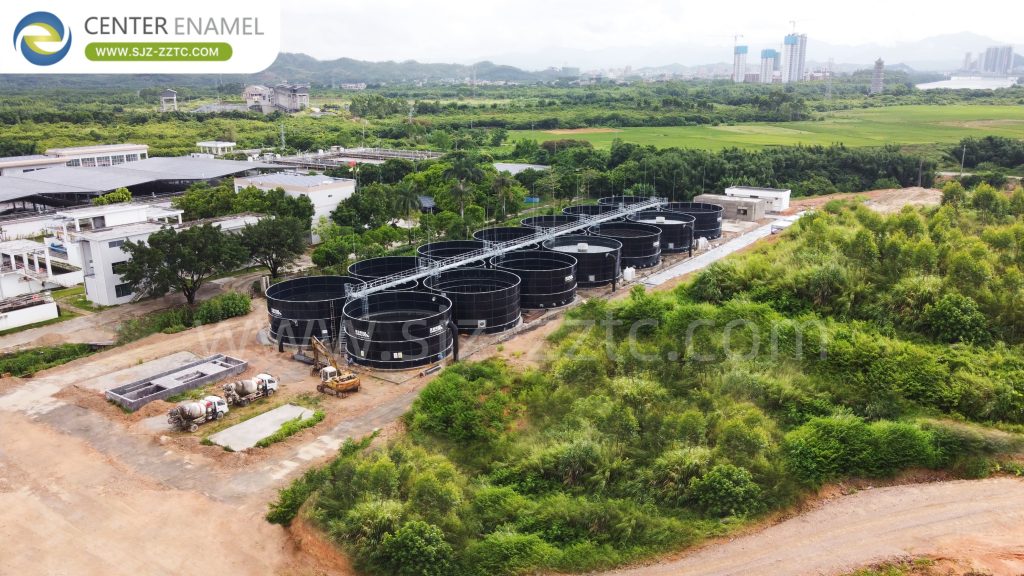
Cow dung is no longer just agricultural waste; it is a valuable renewable raw material that can be efficiently converted into clean biogas through professional anaerobic digestion technology. For global cattle farms and rural agricultural areas, understanding what is cow dung to biogas helps unlock huge energy potential, solve manure pollution, reduce carbon emissions, and realize circular agricultural development. With professional engineering design, mature anaerobic technologies, and high-performance equipment like GFS Tanks, Center Enamel leads the industry in turning cow dung into usable green energy for farms worldwide.
What Is Cow Dung to Biogas? Basic Concept & Value
Cow dung contains rich cellulose, protein, organic nitrogen and soluble organic matter. Under oxygen-free conditions, microorganisms decompose these substances and produce biogas mainly composed of methane (55%–70%) and carbon (30%–45%). This natural biochemical process is called anaerobic digestion.
From waste to resource, cow dung brings multiple values:
- Converts useless manure into renewable biogas for power generation, heating and cooking
- Eliminates odor, water pollution and greenhouse gas emissions
- Produces biogas slurry and residue as high-quality organic fertilizer
- Helps farms reduce electricity costs and achieve energy self-sufficiency
Traditional open stacking of cow dung wastes resources and damages the environment. Modern biogas engineering perfectly solves this problem, making cow dung one of the most accessible biomass energy sources in rural areas.
How Does Cow Dung Convert to Biogas? Four Core Stages
The conversion from cow dung to biogas follows four stable anaerobic digestion stages, and each step requires professional reactor design and stable operating conditions.
Hydrolysis Stage: Complex macromolecular organics such as fiber and protein in cow dung are decomposed into small-molecule sugars and amino acids by hydrolytic bacteria.
Acidification Stage: Small-molecule substances are converted into volatile fatty acids, hydrogen and carbon dioxide by acidogenic microorganisms.
Acetogenesis Stage: Fatty acids are further decomposed into acetic acid, the key precursor for methane production.
Methanogenesis Stage: Methanogenic bacteria convert acetic acid and hydrogen into methane, forming stable biogas.
The whole process requires sealed, corrosion-resistant tanks and suitable temperature environment, which is why GFS Tanks and professional anaerobic reactors become core facilities.
Four Main Anaerobic Technologies for Cow Dung to Biogas
Center Enamel matches four mature anaerobic technologies to adapt to different farm scales, cow dung concentration and land conditions, ensuring high biogas yield and stable operation.
CSTR Process (Completely Stirred Tank Reactor)
CSTR is the most widely used technology for high-solids cow dung. High-torque stirring fully mixes manure and microbial flora, preventing scum and sediment. It runs stably all year round and is ideal for large commercial cattle farms.
USR Process (Upflow Solids Reactor)
USR features simple structure and no complex stirring system. It relies on upward water flow to retain organic particles, with low investment and easy maintenance. It is the best choice for small and scattered rural cattle farms.
UASB Process (Upflow Anaerobic Sludge Blanket)
UASB uses dense granular sludge to degrade organic matter efficiently. It has low operation cost and strong stability, suitable for liquid cow dung wastewater treatment in intensive farms.
IC Process (Internal Circulation)
IC is a high-rate anaerobic technology with 3–5 times higher load than traditional reactors. Driven by internal biogas circulation, it saves land and is perfect for large-scale cattle industrial parks with limited space.
GFS Tanks: Core Advantage for Cow Dung Biogas Projects
As the key container for anaerobic digestion, GFS Tanks (Glass-Fused-to-Steel Tanks) show unmatched advantages over concrete and ordinary steel tanks.
Extreme Corrosion Resistance: Fused at over 820°C, GFS tanks resist pH 1–4 acidic environment from cow dung fermentation, anti-organic acid and hydrogen sulfide corrosion.
Long Service Life: Over 30 years of service life with almost no maintenance, far longer than concrete tanks.
Seismic & Climate Adaptation: Flexible bolted structure adapts to seismic zones, high temperature, humidity and coastal salt fog.
Fast Installation & Expansion: Factory prefabricated, bolt assembly without on-site welding, short construction period.
Good Airtight Performance: Ensures no biogas leakage and improves overall gas production efficiency.
Center Enamel is a global leader in GFS tank R&D and manufacturing, providing reliable core equipment for cow dung-to-biogas projects worldwide.
Center Enamel’s Overall Advantages in Cow Dung Biogas Projects
As a professional EPC contractor for biogas engineering, Center Enamel has comprehensive strengths in designing, manufacturing, installation and after-sales service.
Strong R&D & Customization: Owns more than 200 patented enamel formulas, tailoring biogas process and tank design according to local climate and cow dung characteristics.
Asia’s Largest GFS Manufacturing Base: Supports standardized prefabrication, ensuring precise quality and on-time delivery even in remote rural areas.
Strict International Quality Standards: Comply with ISO 28765, AWWA D103-09, NSF/ANSI 61, CE and OSHA; every tank plate passes 1500V high-voltage spark test.
Rich Global Project Experience: Has completed numerous livestock biogas projects in Southeast Asia, Europe and Oceania, familiar with local environmental policies and construction standards.
One-Stop Turnkey EPC Service: Covers project design, equipment manufacturing, on-site installation, commissioning and long-term after-sales maintenance.
Professional Installation Technology: Adopts hydraulic jacking top-down installation and zero on-site welding, suitable for complex terrain and high-humidity environments, ensuring fast commissioning.
What is cow dung to biogas It is a low-cost, high-value renewable energy resource that solves manure pollution, eases energy shortage and promotes circular agriculture. With mature four anaerobic technologies, high-performance GFS Tanks, and one-stop EPC services, Center Enamel provides reliable full solutions for global cattle farms. It helps clients efficiently convert cow dung into clean biogas, reduce operating costs, meet carbon reduction goals and achieve long-term sustainable agricultural development.