
What is Dairy Wastewater? A Deep Dive into Its Impact and Treatment
The global appetite for dairy products-milk, cheese, yogurt, and butter-comes with a significant environmental cost that often goes unseen: dairy wastewater. But what exactly is dairy wastewater? In essence, it is the water that becomes contaminated during the various stages of milk processing and equipment cleaning in dairy plants. This effluent is not merely dirty water; it is a complex, potent mixture of organic matter, fats, proteins, and chemicals that, if left untreated, poses a severe threat to our ecosystems .
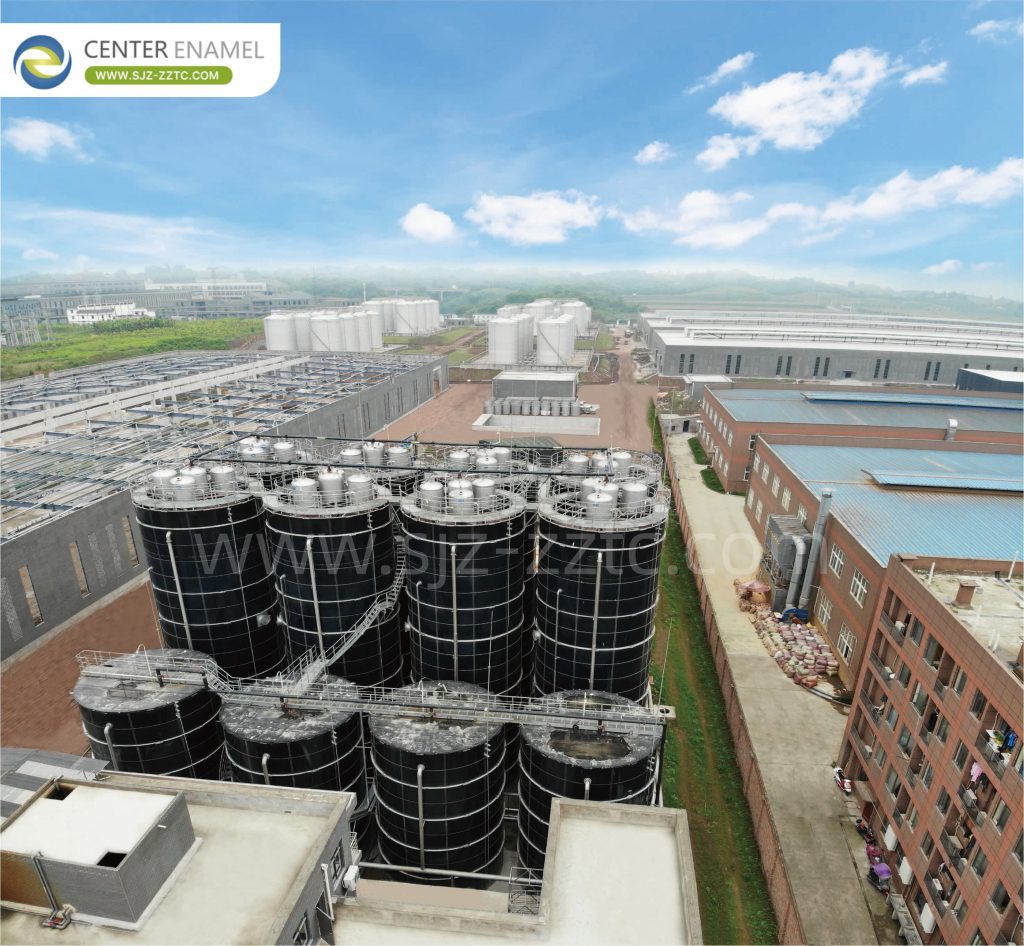
Understanding the nature of dairy wastewater is the first step in tackling one of the food industry’s most pressing environmental challenges. This article will explore the composition of this effluent, why it's so difficult to treat, and the innovative technologies being developed to mitigate its impact and even turn it into a valuable resource.
What Exactly is Dairy Wastewater?
Dairy wastewater is generated from nearly every step of dairy product manufacturing . This includes the water used for washing and rinsing equipment, pipelines, and storage tanks, as well as water from the processing of milk into various products. A significant portion of this effluent comes from "Clean-in-Place" (CIP) systems, which are responsible for cleaning the internal surfaces of processing equipment .
Think of it as the "leftovers" of dairy production. It contains residual milk, cream, whey, and other byproducts that are flushed away during cleaning cycles. In fact, CIP wastewater can account for as much as 80% of a dairy plant's total wastewater output, making it the primary contributor to the organic load .
The Complex Composition of Dairy Effluent
What makes dairy wastewater so challenging is its rich and variable composition. It is characterized by high concentrations of organic matter, which is typically measured by two key parameters: Chemical Oxygen Demand (COD) and Biochemical Oxygen Demand (BOD) .
What are COD and BOD?
BOD (Biochemical Oxygen Demand) measures the amount of oxygen that microorganisms will consume to break down the biodegradable organic matter in the water .
COD (Chemical Oxygen Demand) measures the total amount of oxygen required to chemically oxidize all organic and inorganic matter, including compounds that are not easily biodegradable .
The COD/BOD ratio is a critical indicator for determining the best treatment approach. Fresh dairy wastewater often has a low ratio (1.3 - 1.6), meaning it is highly biodegradable and suitable for biological treatment. However, wastewater from processes like cheese or butter production, which contains higher fats and proteins, has a higher ratio. The ratio can exceed 3.0 when cleaning chemicals and sanitizers are present, making it much harder to treat using conventional biological methods alone .
Beyond organics, dairy wastewater is also rich in nutrients like nitrogen and phosphorus, which, if released into water bodies, can cause algal blooms and eutrophication . A case study in Serbia highlighted that the composition of the wastewater varies drastically depending on the product being made. For example, cheese production yields higher protein and fat residues, while fruit yogurt production results in higher carbohydrate content from lactose .
Table 1: Characteristics of Dairy Wastewater and Treatment Implications
| Parameter | Description | Significance |
| High COD/BOD | High organic load, primarily from milk residues (fats, proteins, lactose) . | Requires significant oxygen for treatment; high loads can overwhelm conventional systems . |
| Fats, Oils & Grease (FOG) | Present from cream, butter, and cheese production . | Can clog pipes and treatment equipment; reduces treatment efficiency . |
| Nutrients (N & P) | Nitrogen and phosphorus from milk proteins and cleaning agents . | Causes eutrophication in receiving waters, leading to oxygen depletion and harm to aquatic life . |
| Variable pH & Flow | Fluctuates due to batch processing and cleaning cycles . | Makes it difficult to design and operate a stable treatment system . |
| Chemical Residues | Sanitizers, detergents, and peroxides from CIP processes . | Can be toxic to microorganisms used in biological treatment, hindering the process . |
Why is Treating Dairy Wastewater So Difficult?
The high organic load is just one piece of the puzzle. The presence of fats, oils, and grease (FOG) can cause operational nightmares, such as clogging in treatment systems and reduced efficiency . Furthermore, the wastewater’s composition and flow rate are rarely constant. They fluctuate based on production schedules, making it challenging to maintain a stable and effective treatment process .
Moreover, the traditional treatment of dairy wastewater is resource-intensive. The energy and materials required to break down the complex organic matter are substantial, and conventional aerobic treatments, in particular, can be very energy-hungry .
The Environmental Consequences of Untreated Effluent
If not properly treated, the discharge of dairy wastewater into the environment is catastrophic. The high organic matter rapidly depletes the oxygen in receiving waters, suffocating aquatic life. The nutrients, particularly phosphorus, cause eutrophication, leading to algal blooms that further deplete oxygen, block sunlight, and create "dead zones" . A study found that a single cubic meter of dairy wastewater can have the same polluting potential as the sewage from 84 to 250 people . This potent effluent is also a vector for pathogens like E. coli and Salmonella, posing a direct public health risk .
Modern Treatment Technologies for Dairy Wastewater
Given these challenges, the dairy industry is moving beyond simple treatment and embracing advanced technologies to manage this waste more sustainably. These modern approaches often focus on resource recovery and energy efficiency.
1. Anaerobic Digestion
Anaerobic digestion (AD) is a powerful biological process that breaks down organic matter in the absence of oxygen to produce biogas (methane-rich) and a nutrient-rich digestate. This process is particularly effective for high-strength wastewaters like those from dairy processing. A recent advancement is the Two-Phase Anaerobic Digestion (TPAD) system, which separates the acid-forming and methane-forming stages .
Energy Production: TPAD systems can produce 0.35–0.48 m³ of biogas per kg of COD removed, which can be captured and used to generate heat and electricity for the plant .
Energy Savings: Studies show that such systems can reduce aeration energy demands by 32-41% compared to conventional methods .
Resource Recovery: The digestate from the process can be used as a biofertilizer, providing a source of nutrients for agriculture, thereby closing the loop .
2. Constructed Wetlands
Constructed wetlands (CWs) offer a more natural, low-cost, and aesthetically pleasing alternative. These are engineered systems that use plants, soil, and microbial communities to treat wastewater. A decade-long study on a CW system following an aerated facultative lagoon showed remarkable results .
The integrated system removed over 98% of COD, BOD, and Total Suspended Solids (TSS), and achieved 99.8% removal of oils and greases for up to seven years . The study also highlighted that CWs are simple to operate and maintain, require little energy, and are environmentally friendly. However, they require maintenance, as the system's efficiency decreased after seven years due to clogging and required substrate replacement .
3. Emerging Technologies: Microbial Fuel Cells and Microalgae
Researchers are constantly innovating to improve efficiency and recover valuable resources.
Microbial Fuel Cells (MFCs): These technologies use bacteria to break down organic matter, generating electricity in the process. Integrating MFCs with constructed wetlands (CW-MFC) can not only improve pollutant removal but also offset the energy costs of the treatment facility .
Microalgae Cultivation: Microalgae can be cultivated in dairy wastewater to remove nutrients (like nitrogen and phosphorus) and produce biomass that can be used for bioenergy or bioproducts . Research is also exploring the use of cyanobacteria to recover phosphorus from dairy effluent, with the goal of creating valuable fertilizer products .
The Circular Economy: Turning Waste into a Resource
The future of dairy wastewater management lies in the principles of the circular economy, where waste is seen not as a problem, but as a resource. The goal is to move beyond mere treatment to the recovery of valuable materials.
Nutrient Recovery: Technologies are being developed to recover phosphorus and nitrogen from wastewater, creating a sustainable source of fertilizers and reducing reliance on mined phosphate rock .
Water Reuse: Treated wastewater can be recycled for non-potable uses like cleaning facilities, significantly reducing the plant's overall water footprint. One study found that recirculating dairy cattle wastewater for cleaning achieved up to 99.61% water savings .
Energy Generation: As mentioned, biogas from anaerobic digestion can power the plant, reducing its carbon footprint and operational costs .
Conclusion
Dairy wastewater is a complex, high-strength effluent that presents a major environmental challenge. Its high organic load, FOG content, and nutrient levels require sophisticated treatment to prevent severe ecological damage. However, the industry is undergoing a significant shift. By adopting advanced, integrated treatment technologies like anaerobic digestion and constructed wetlands, and by embracing a circular economy mindset, dairy producers can turn this waste into a source of energy, water, and nutrients. This is not just about compliance but about building a truly sustainable future for the dairy industry.
Frequently Asked Questions (FAQ)
1. How does dairy wastewater differ from domestic sewage?
Dairy wastewater is far more concentrated than domestic sewage. Its BOD (Biochemical Oxygen Demand) is much higher because it's rich in milk, fat, and protein residues . For example, 1 cubic meter of dairy wastewater can have a polluting load equivalent to that of sewage from nearly 250 people .
2. Why is the COD/BOD ratio important for treatment?
The COD/BOD ratio tells you how easily the organic matter in the wastewater can be broken down by bacteria. A low ratio means the effluent is highly biodegradable and suitable for standard biological treatments like activated sludge. A high ratio means it contains pollutants that are harder to biodegrade, requiring more advanced methods like chemical oxidation or membrane filtration .
3. Can dairy wastewater be turned into a resource?
Absolutely. Modern treatment is about resource recovery. Through anaerobic digestion, the organic matter is converted into biogas, which can be used as a renewable energy source . Nutrients like phosphorus and nitrogen can be recovered from the water and used as fertilizer, and the treated water itself can be reused for cleaning, drastically reducing water consumption .