
What Is Digestate in Biogas Production? A Complete Guide to the Nutrient-Rich Byproduct
Biogas production through anaerobic digestion (AD) has emerged as a cornerstone of renewable energy and sustainable waste management. While the primary focus often centers on biogas—the methane-rich gas used for electricity, heat, and fuel—there is another equally valuable output that deserves attention: digestate.
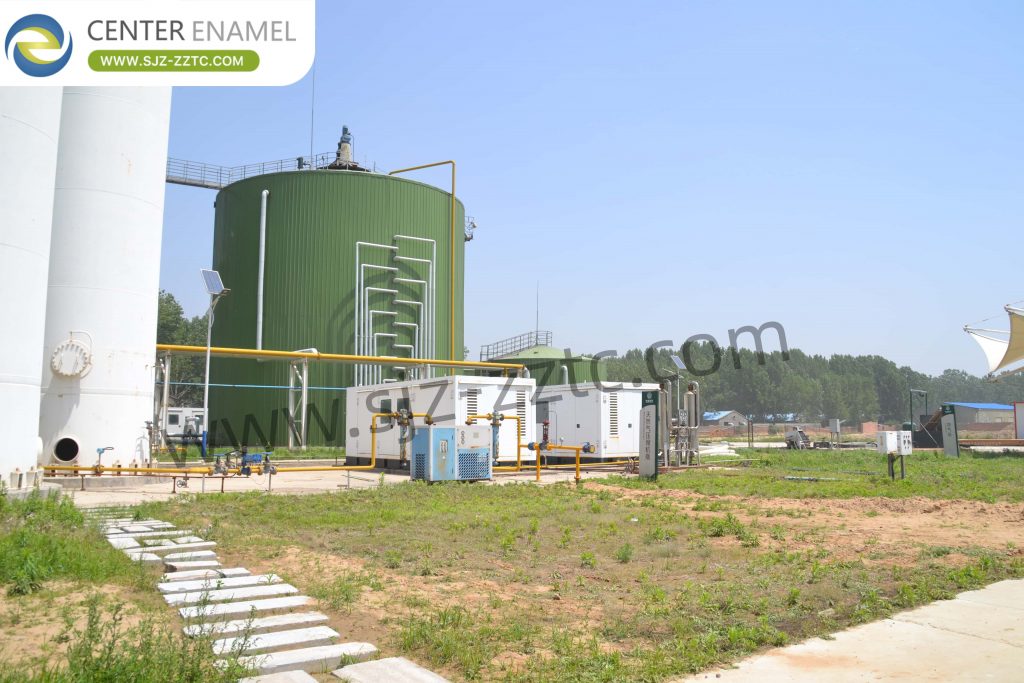
Digestate is the nutrient-rich residual material remaining after organic matter is broken down during anaerobic digestion. Far from being waste, digestate represents a valuable resource that closes the loop in circular agricultural systems, providing essential nutrients for crop production while reducing dependence on synthetic fertilizers. As the global biogas industry expands, understanding digestate and its potential applications becomes increasingly important for farmers, waste managers, and renewable energy developers.
What Is Digestate? Understanding the Basics
Digestate is the semi-solid or liquid byproduct produced when microorganisms break down organic materials in an oxygen-free environment during anaerobic digestion. When feedstocks such as animal manure, food waste, sewage sludge, or energy crops undergo AD, the process generates two primary outputs: biogas and digestate.
The composition of digestate reflects the input materials, but it generally contains a rich blend of organic matter, macronutrients like nitrogen (N), phosphorus (P), and potassium (K), along with micronutrients and beneficial microorganisms. Unlike raw manure or untreated organic waste, digestate has undergone biological stabilization, which reduces pathogens and weed seeds, making it safer for agricultural applications.
According to the U.S. Environmental Protection Agency, digestate consists of both liquid and solid portions, which are often separated and handled independently because each has distinct properties and potential applications.
How Digestate Is Produced: The Anaerobic Digestion Process
To fully appreciate what digestate is, it helps to understand where it comes from. Anaerobic digestion is a complex biochemical process that occurs in four sequential stages:
Hydrolysis: Complex organic polymers (carbohydrates, proteins, fats) are broken down into simpler soluble molecules.
Acidogenesis: The soluble molecules are converted into volatile fatty acids, alcohols, and other intermediate compounds.
Acetogenesis: These intermediates are further converted into acetic acid, hydrogen, and carbon dioxide.
Methanogenesis: Methanogenic archaea convert these substrates into methane and carbon dioxide—the primary components of biogas.
Throughout this process, the organic material is continuously transformed. What remains after biogas extraction is digestate—a mixture that retains most of the original nutrients but in more plant-available forms. The process temperature (mesophilic at 25–45°C or thermophilic at 45–70°C) and retention time influence both biogas yield and digestate quality.
Digestate Composition: Key Nutrients and Characteristics
The nutrient profile of digestate varies depending on feedstock type, digestion conditions, and any post-processing treatments applied. However, several general characteristics distinguish digestate from raw organic materials.
One of the most significant advantages of digestate is its nitrogen content. During anaerobic digestion, organic nitrogen is mineralized into ammonium (NH₄⁺), a form that plants can readily uptake. This makes digestate an excellent biofertilizer that provides immediate nitrogen availability to crops.
Table 1: Typical Nutrient Composition of Digestate from Different Feedstocks
| Nutrient Component | Manure-Based Digestate | Food Waste Digestate | Energy Crop Digestate |
| Total Nitrogen (N) | 2.5–6.0 kg/ton | 4.0–8.0 kg/ton | 3.0–5.5 kg/ton |
| Ammonium-N (NH₄⁺) | 1.5–4.0 kg/ton | 2.5–5.5 kg/ton | 1.5–3.0 kg/ton |
| Phosphorus (P₂O₅) | 0.8–2.5 kg/ton | 0.5–1.5 kg/ton | 0.8–1.8 kg/ton |
| Potassium (K₂O) | 2.0–5.0 kg/ton | 2.0–4.0 kg/ton | 2.5–5.0 kg/ton |
| Organic Matter | 30–60% (dry basis) | 25–50% (dry basis) | 40–65% (dry basis) |
Note: Values are indicative ranges; actual composition depends on specific feedstock mixes, digestion parameters, and separation methods.
The carbon-to-nitrogen (C:N) ratio of digestate is typically lower than that of raw manure, which influences nitrogen mineralization dynamics when applied to soil. While this means nitrogen becomes available more quickly, it also requires careful management to prevent losses through volatilization or leaching.
Digestate as Fertilizer: Benefits for Crop Production
One of the most established uses of digestate is as a biofertilizer in agricultural systems. Research consistently demonstrates that digestate can partially or fully replace synthetic mineral fertilizers while maintaining comparable crop yields.
The agronomic benefits of digestate fertilization include:
Readily available nitrogen: The high ammonium content provides immediately plant-available nitrogen, supporting early crop growth and development.
Phosphorus and potassium supply: Digestate provides essential macronutrients that support root development, energy transfer, and overall plant health.
Micronutrient contribution: Digestate contains trace elements that are often deficient in synthetic fertilizer regimes.
Reduced environmental impact: Substituting mineral fertilizers with digestate reduces the carbon footprint associated with fertilizer production and transport.
According to research, when properly applied and incorporated into soil, digestates provide plant-available nitrogen corresponding to their ammonium content plus a small portion (10–20%) of organic nitrogen fractions. This makes application timing and method critical for maximizing nutrient use efficiency.
Digestate as a Soil Amendment: Beyond Simple Fertilization
While digestate is often characterized primarily as a fertilizer, its value as a soil amendment extends beyond nutrient supply. The organic matter in digestate contributes to soil health through multiple mechanisms.
Table 2: Comparison of Digestate and Compost for Soil Applications
| Characteristic | Digestate | Compost |
| Primary Function | Biofertilizer (immediate nutrients) | Soil conditioner (long-term organic matter) |
| Nitrogen Availability | High (mostly ammonium) | Moderate (slow-release organic N) |
| Organic Matter Stability | More labile (easily decomposed) | More stable (humus-rich) |
| Pathogen Reduction | High (via AD process) | High (via thermophilic composting) |
| Weed Seed Destruction | Effective | Effective |
| Best Use Case | Crop nutrient supply | Soil structure improvement |
Source: Adapted from circular economy and soil science literature
Research indicates that repeated applications of digestate can increase soil organic carbon (SOC) stocks, though the carbon in digestate is generally more labile than compost carbon. The labile nature of digestate organic matter means it contributes to biological activity and nutrient cycling in the short term, while compost provides more stable, long-lasting organic matter contributions.
When applied as a soil amendment, digestate can improve soil structure, water-holding capacity, and microbial activity. The addition of organic matter stimulates beneficial soil microorganisms, which in turn support nutrient cycling and plant health.
Types of Digestate: Liquid vs. Solid Fractions
Modern biogas facilities often separate digestate into liquid and solid fractions to optimize handling, transport, and application. This separation—typically achieved through mechanical processes such as screw presses, centrifuges, or screens—produces two distinct products with different characteristics and best uses.
Liquid Digestate: The liquid fraction is rich in soluble nutrients, particularly ammonium nitrogen and potassium. Because most of the nitrogen remains in this fraction, liquid digestate is an excellent quick-acting nitrogen fertilizer. However, its low nutrient concentration relative to mineral fertilizers means transportation over long distances may not be economically viable. For this reason, liquid digestate is typically applied on nearby fields or used in fertigation systems.
Solid Digestate: The solid fraction contains most of the phosphorus and organic carbon from the original material. This makes it valuable as a phosphorus-rich fertilizer and soil amendment. Solid digestate is more easily transported than liquid digestate and can be further processed into compost, pellets, or biochar.
The separation process itself improves the overall efficiency of digestate utilization by matching nutrient forms to specific agronomic needs and reducing transport costs.
Environmental and Economic Considerations
Digestate utilization aligns with circular economy principles by returning nutrients and organic matter to agricultural systems rather than treating them as waste. This closed-loop approach offers several environmental benefits.
By replacing synthetic fertilizers, digestate reduces greenhouse gas emissions associated with fertilizer manufacturing and application. The AD process itself captures methane that would otherwise be released from untreated organic waste, while digestate application recycles nutrients that would otherwise require energy-intensive production.
From an economic perspective, digestate can represent a revenue stream or cost-saving opportunity for biogas operators and farmers. The value derives from its fertilizer replacement potential, reduced need for synthetic inputs, and in some cases, tipping fees for accepting organic waste feedstocks.
However, careful management is essential. Digestate application rates should be calibrated to crop nutrient requirements to prevent nutrient runoff or leaching. Storage and handling practices should minimize ammonia volatilization and methane emissions. Regulatory frameworks in many regions govern digestate application to ensure environmental protection.
Frequently Asked Questions
What is the difference between digestate and compost?
Digestate is the byproduct of anaerobic digestion (a process that occurs without oxygen and produces biogas), while compost results from aerobic decomposition (a process that requires oxygen). Digestate is generally richer in readily available nitrogen and functions primarily as a biofertilizer, whereas compost contains more stable organic matter and serves as a soil conditioner. Digestate also tends to have higher ammonium content, while compost has more humified, long-lasting carbon.
Can digestate be used directly on crops?
Yes, digestate can be applied directly to agricultural fields, but proper handling is important. Liquid digestate is often applied via injection or incorporation into the soil to minimize ammonia loss and odor. Solid digestate can be surface-applied or incorporated. In many regions, digestate must meet sanitation standards (such as thermophilic treatment at 70°C for one hour) before field application to ensure pathogen reduction. Application timing should match crop nutrient demands to maximize efficiency and minimize environmental losses.
Is digestate safe for the environment?
When managed properly, digestate is environmentally beneficial. The anaerobic digestion process reduces pathogens and weed seeds compared to raw manure. Using digestate as fertilizer reduces reliance on fossil-fuel-based synthetic fertilizers and recycles nutrients that would otherwise be wasted. However, improper application or over-application can lead to nutrient runoff, ammonia emissions, and water pollution. Following local regulations and agronomic best practices ensures digestate provides environmental benefits without negative impacts.