
What is Digestate in Biogas? The Complete Guide to Anaerobic Digestion's Valuable Byproduct
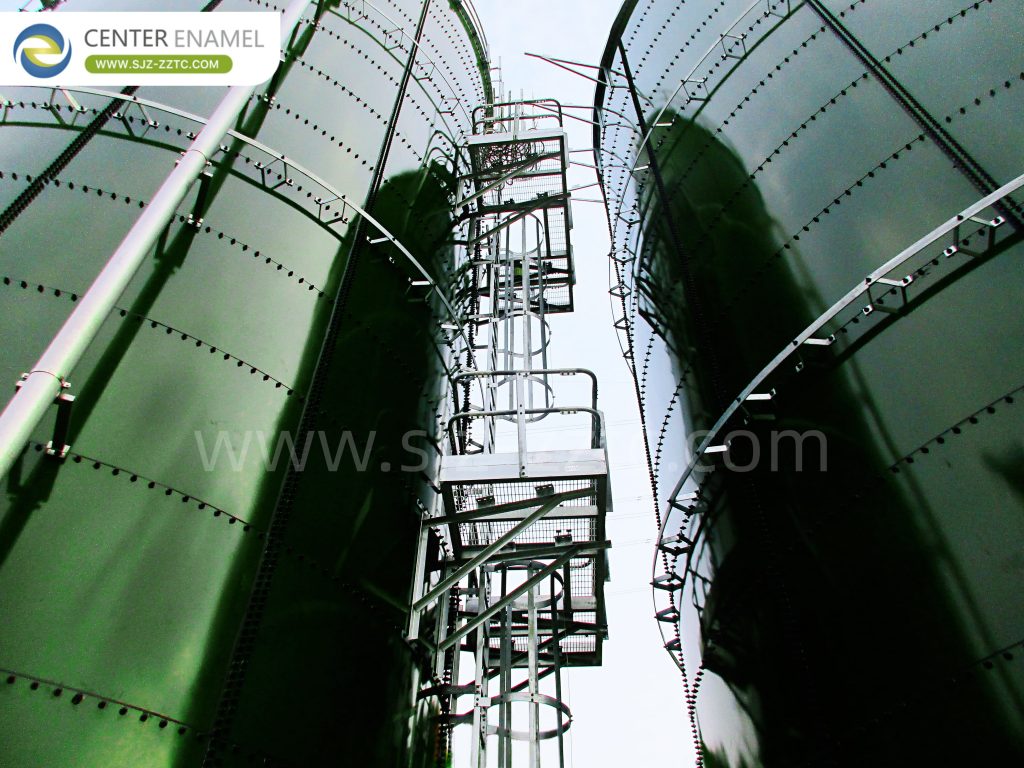
When organic waste enters an anaerobic digester, the process produces two valuable outputs: biogas for energy and digestate-a nutrient-rich residual material that is transforming agriculture and sustainable waste management. This complete guide explains everything you need to know about digestate, from its composition and benefits to its role in the circular economy.
Digestate Definition – The Byproduct of Anaerobic Digestion
Digestate is the solid, semi-solid, or liquid material that remains after organic matter has been broken down by microorganisms in an oxygen-free environment during the anaerobic digestion (AD) process .
Think of it as the "leftovers" after bacteria have consumed the readily degradable organic compounds in feedstocks like animal manure, food waste, crop residues, or municipal sludge. While biogas-primarily methane and carbon dioxide-is captured for energy, digestate contains the nutrients, minerals, and stable organic matter that were not converted to gas .
The characteristics of digestate vary significantly depending on:
The type of feedstock used
The operating conditions of the digester (temperature, retention time)
The specific anaerobic digestion technology employed
Digestate vs. Biogas – Understanding the Two Anaerobic Digestion Outputs
Anaerobic digestion is a dual-output process:
| Biogas | Digestate |
| Gaseous output (methane + CO₂) | Solid/liquid residual output |
| Used for energy (electricity, heat, fuel) | Used as fertilizer, soil improver, or animal bedding |
| Captured and stored or combusted | Applied to land or further processed |
| Primary revenue generator | Secondary revenue or cost-saving resource |
While biogas receives most of the attention as a renewable energy source, digestate is equally important for creating a truly circular economy-returning nutrients to the soil that were originally removed when crops were harvested or livestock feed was produced .
Digestate Composition – Nutrients and Organic Matter
Digestate contains a portion of the original feedstock's organic matter (approximately one-third) along with most of the mineral fraction . Its composition typically includes:
Key Nutrients
Nitrogen (N): Present primarily as ammonium, which is readily available for plant uptake. Digestate typically contains 0.6–0.8% total nitrogen .
Phosphorus (P): Available in both soluble and particulate forms, typically 0.1–0.2% .
Potassium (K): Highly soluble and readily available, typically 0.4–0.6% .
Carbon: Stable organic carbon that contributes to soil organic matter.
Unique Characteristics
A key advantage of digestate as a fertilizer is that the ammonium/organic nitrogen ratio is higher than in raw feedstock, meaning a greater percentage of nitrogen is immediately available to plants without requiring soil microbial breakdown . This makes digestate a fast-acting yet sustainable fertilizer option.
Digestate Benefits for Agriculture and Soil Health
Research consistently demonstrates that digestate application provides multiple agricultural and environmental benefits :
1. Enhances Soil Fertility
Digestate supplies essential macro and micronutrients (N, P, K, Mg, Fe, Zn) in forms that plants can readily absorb . Studies have shown digestate application can increase leaf chlorophyll content and reduce senescent leaves, leading to higher crop quality .
2. Improves Soil Structure
The stable organic matter in digestate improves soil structure, aeration, and water storage capacity over time-benefits that synthetic fertilizers cannot provide .
3. Acts as a Carbon Sink
Applying digestate returns organic carbon to the soil, contributing to carbon sequestration and helping mitigate climate change .
4. Sanitized Product
The anaerobic digestion process significantly reduces or eliminates pathogens found in raw manure, making digestate safer for agricultural use than untreated organic waste .
5. Reduces Odor
Digestate is biologically stable, resulting in significantly lower volatile organic compound emissions and odors during storage and application compared to raw feedstock .
Digestate Applications – Fertilizer, Bedding, and Bioplastics
Digestate can be used whole or separated into solid and liquid fractions, each with different applications :
Whole Digestate
Direct application to agricultural fields as bio-fertilizer
In Europe, 73% of digestate is applied directly without further processing
Solid Fraction
Animal bedding for livestock operations
Foundation material for bio-based products like bioplastics
Composting feedstock
Pelleting for easier transport and use
Liquid Fraction
Liquid fertilizer for crops
Hydroponic growing medium
Medium for microalgae cultivation
Emerging Novel Applications
Cultivation of insects (black soldier flies) for protein production
Production of bio-stimulants
Feedstock for electrochemical processes (fuel cells)
Biochar production through pyrolysis
Digestate Processing Methods – Separation and Refinement
Leaving the digester, digestate is typically a wet mixture. Many biogas operators choose to process it further through mechanical separation for several reasons:
Reduce transport costs
Ease application to fields
Increase specific nutrient value for targeted markets
Common Separation Technologies
Centrifuges
Decanter screw presses
Sieve belt presses
Drum separators
Further Processing Options
For the solid fraction:
Drying, composting, and pelletizing
Pyrolysis and gasification to produce renewable oil, syngas, and char
For the liquid fraction:
Chemical treatment to recover ammonia (as ammonium sulfate)
Reverse osmosis to produce mineral-rich concentrate
Digestate Quality and Safety Considerations
While digestate offers significant benefits, quality control is essential for safe agricultural application :
Heavy Metals
The concentration of potentially toxic elements (As, Cd, Cr, Cu, Hg, Ni, Pb) varies depending on the feedstock. In many European digestates, levels remain within limits set by FAO, WHO, and EU regulations, but contamination risks exist, particularly with municipal or industrial feedstocks .
Pathogen Reduction
The anaerobic digestion process typically eliminates or vastly reduces pathogenic microorganisms, but proper process control is critical to ensure this happens .
Regulatory Frameworks
The EU has established regulations (Reg. EU 2019/1009) for digestates used as organic fertilizers, while other regions like Latin America are still developing standards .
Conclusion: Center Enamel – Your One-Stop Biogas Solution Provider
Center Enamel is a global leader in providing comprehensive biogas project solutions, with over 30 years of expertise and more than 30,000 successful projects across 100+ countries .
Our Glass-Fused-to-Steel (GFS) tanks are the industry standard for anaerobic digestion containment, offering:
Superior corrosion resistance against the acidic and sulfide-rich environment of digesters
Gas-tight sealing for maximum biogas capture and odor control
Durability with a lifespan of 30+ years, reducing lifecycle costs
Modular design for rapid installation, even in remote locations
Compliance with international standards (AWWA D103, ISO 28765, NSF/ANSI 61)
From livestock wastewater projects (dairy, swine, poultry) to food waste treatment, POME (palm oil mill effluent), and municipal sludge, Center Enamel provides complete EPC (Engineering, Procurement, Construction) services covering:
Custom GFS tank design and manufacturing
Double-membrane gas holders for biogas storage
CSTR /UASB/USR/IC/EGSB reactor integration
Full-process installation quality control
24/7 after-sales support and O&M guidance
Partner with Center Enamel to transform organic waste into renewable energy and valuable digestate fertilizer-closing the loop for a sustainable, profitable circular economy.
FAQ
1. Is digestate safe to use on food crops?
Yes, digestate is safe when produced under proper anaerobic digestion conditions and quality controls. The AD process eliminates or significantly reduces pathogenic organisms found in raw manure. However, it is essential to follow local regulations regarding application rates and timing . European regulations (Reg. EU 2019/1009) classify digestates meeting quality criteria as safe organic fertilizers. Studies show digestate from slaughterhouse waste and food waste can effectively replace mineral fertilizers with positive results for crop yield and soil health .
2. What is the difference between digestate and compost?
Digestate and compost are both organic soil amendments but are produced through fundamentally different processes . Digestate is produced through anaerobic digestion-microorganisms break down organic matter in the absence of oxygen, producing biogas as a co-product. Compost is produced through aerobic digestion-microorganisms break down organic matter in the presence of oxygen, releasing CO₂ and heat. As a result, digestate typically has a higher ammonium nitrogen content (making nitrogen more immediately available to plants), while compost has higher stable carbon content .
3. Can digestate be used as animal bedding?
Yes, the solid fraction of digestate can be used as animal bedding, particularly for cattle operations . The anaerobic digestion process sanitizes the material, reducing pathogens that would be present in raw manure or straw. The fibrous fraction, rich in lignin and cellulose, provides good absorbency and comfort for livestock. This represents an excellent example of circular economy within a farm operation-manure goes into the digester, produces biogas for energy, and the leftover solids become clean, dry bedding for animals .