
What Is Distillery Wastewater? A Complete Guide to Sources, Characteristics, and Treatment
Distillery wastewater is one of the most challenging industrial effluents to manage. Generated in massive volumes during the production of spirits and ethanol, this dark, highly concentrated liquid poses serious environmental risks if not properly treated. This comprehensive guide explores what distillery wastewater is, its key characteristics, environmental impacts, and the treatment technologies available to manage it sustainably.
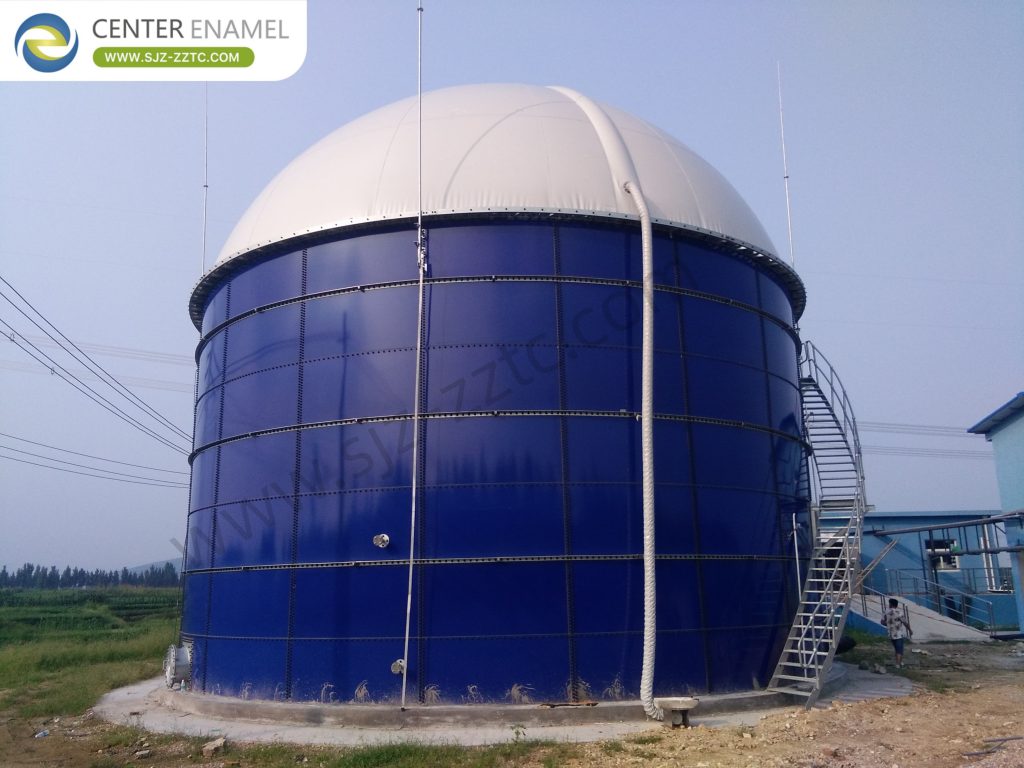
Defining Distillery Wastewater: More Than Just Waste
Distillery wastewater, commonly referred to as effluent, is the liquid byproduct discharged from various stages of distillery operations. It encompasses all process waters that flow from the production facility, including fermentation residues, cleaning waters, and cooling system discharges.
In the context of sugarcane ethanol production, the primary wastewater stream is known as vinasse (or stillage). Vinasse is the liquid residue left after ethanol distillation, produced at a staggering rate of 10 to 15 liters per liter of ethanol produced. For other spirit types like whiskey, rye, bourbon, and rum, similar high-strength waste streams are generated during distillation and equipment cleaning.
The term "spent wash" is also frequently used, particularly in the context of molasses-based distilleries, to describe the dark-colored, high-organic effluent that remains after alcohol separation.
Key Sources of Distillery Wastewater
Distillery wastewater originates from multiple points within the production facility. Understanding these sources is essential for effective management and treatment.
1. Distillation Residues (Stillage/Vinasse)
The primary source is the liquid leftover after alcohol is distilled from fermented mash. This stream, whether called vinasse, pot ale, or stillage depending on the feedstock, contains the highest organic load.
2. Washdown and Sanitation Waters
Water used for cleaning equipment, floors, and production areas collects residues, sugars, and solids. This includes:
Clean-in-place (CIP) rinse water
Used detergents and sanitizers
General washdown wastewater
3. Utility Wastewater
This includes cooling tower blowdown, boiler blowdown, and reverse osmosis (RO) brine from water treatment systems. While lower in organic content, this stream contributes to the total volume and may contain treatment chemicals.
4. Product Loss and Off-Spec Batches
Any product waste from tank rinses, spills, or off-specification batches that enter the drainage system becomes part of the wastewater stream.
Characteristics of Distillery Wastewater: Understanding the Challenge
| Parameter | Typical Range | Significance |
| pH | 4.0 – 5.5 | Highly acidic, requires neutralization before biological treatment |
| Chemical Oxygen Demand (COD) | 85,000 – 172,800 mg/L | Extremely high organic content; indicates the oxygen equivalent of all oxidizable matter |
| Biological Oxygen Demand (BOD) | 25,000 – 45,000 mg/L | Measures readily biodegradable organic matter; very high load on treatment systems |
| Total Suspended Solids (TSS) | Varies widely | Includes solids from grains, fibers, and precipitates |
| Color | Dark brown to black | Primarily from melanoidins and caramelization products |
| Temperature | Often elevated | Can exceed acceptable discharge limits, requires cooling |
| Nutrients (N, P) | Moderate to high | May require removal depending on local discharge permits |
| Sulfate | Up to 7 g/L | Can lead to sulfide generation during anaerobic treatment, requiring management |
Distillery wastewater is notorious for its extremely high pollution load. The following table summarizes typical characteristics based on various studies:
Distillery wastewater also contains toxic compounds such as phenolics, heavy metals, and endocrine-disrupting chemicals like di-n-octyl phthalate and di-butyl phthalate, which contribute to its hazardous nature.
Environmental and Health Hazards
The discharge of untreated or inadequately treated distillery wastewater poses severe environmental and health risks:
Aquatic Ecosystems: The dark color reduces light penetration, inhibiting photosynthesis in water bodies. High organic matter depletes dissolved oxygen, leading to fish kills and ecosystem collapse. Toxic compounds are genotoxic, carcinogenic, and mutagenic to aquatic life.
Agricultural Land: When applied to soil untreated, the high organic load and acidic pH can inhibit seed germination, reduce soil alkalinity, and deplete manganese availability, harming vegetation.
Human Health: Toxic metals and endocrine-disrupting chemicals in the wastewater, if they contaminate water sources, pose direct health risks to communities.
Treatment Approaches: From Primary to Advanced
Given its high strength and complexity, distillery wastewater treatment typically requires a multi-stage approach to meet discharge standards or enable reuse.
Primary Treatment: Physical Separation
This stage focuses on removing suspended solids and adjusting pH.
Equalization: Wastewater is held in a balance tank (typically 12-24 hours) to smooth out flow and composition fluctuations before further treatment.
Solids Removal: Settleable solids are removed using screens, settling tanks, or lamella plate clarifiers. Coagulants and flocculants are often added to enhance solid separation.
Dissolved Air Flotation (DAF): DAF units use fine air bubbles to float coagulated solids to the surface, where they are skimmed off.
Secondary Treatment: Biological Degradation
Biological treatment is the core of most distillery wastewater treatment systems, breaking down dissolved organic matter. It is categorized into aerobic and anaerobic methods.
Anaerobic Digestion (AD):
Anaerobic digestion is a preferred and sustainable technology for high-strength distillery wastewater. It not only reduces organic content significantly but also recovers biogas (methane) as a renewable energy source.
A pilot-scale UASB (Up-flow Anaerobic Sludge Blanket) reactor achieved 86% COD removal at an organic loading rate of 10 kg COD/m³/day, with a methane yield exceeding 71%.
Integrated UASB systems can achieve COD removal efficiencies as high as 99.41% when combined with subsequent aerobic nutrient removal processes.
Anaerobic digestion typically reduces the pollution load of raw distillery wastewater by 65–70%.
Aerobic Treatment:
Aerobic processes (activated sludge, trickling filters, etc.) follow anaerobic treatment to further polish the effluent. These systems require oxygen supply but can achieve 85-95% BOD removal.
Tertiary and Advanced Treatments
For stricter discharge limits or water reuse, tertiary treatments are employed.
Physico-Chemical Methods: Coagulation-flocculation, adsorption, and electrocoagulation can remove color and residual COD. Electrocoagulation with modified aluminum electrodes has demonstrated up to 93% color removal and 90% COD removal under optimized conditions.
Advanced Oxidation Processes (AOPs): Photocatalytic degradation, Fenton oxidation, and ozonation break down recalcitrant organics and color compounds like melanoidins.
Membrane Technologies: Reverse osmosis (RO) is used to achieve high-quality treated water, though influent load must be reduced beforehand to prevent fouling.
Emerging and Hybrid Treatment Solutions
Recent research focuses on integrating technologies for enhanced performance and resource recovery.
Hybrid Systems: Combining anaerobic digestion with modified Bardenpho (MBP) processes achieves exceptional COD (99.41%) and nutrient (TN 98.14%, TP 99.91%) removal. Combining photocatalytic treatment with sequencing batch biofilm reactors (HP-SBBR) also shows promise for COD and color reduction.
Phycoremediation (Microalgae Treatment): Microalgae such as Oscillatoria can further reduce COD (up to 55%) in anaerobically digested wastewater while utilizing nutrients, reducing the load on RO systems.
Anaerobic Membrane Bioreactors (AnMBR): AnMBR systems equipped with ultrafiltration membranes have achieved 95% COD removal in treating vinasse, producing nutrient-rich effluent with minimal solids.
Sustainable Management: From Waste to Resource
The industry is moving toward viewing distillery wastewater as a resource rather than waste.
Biogas Recovery: Methane from anaerobic digestion can power distillery operations, offsetting energy costs.
Agricultural Application: Treated vinasse is rich in potassium and organic matter and is often applied to sugarcane fields as a partial fertilizer replacement. However, this requires careful management to avoid soil and water pollution.
Zero Liquid Discharge (ZLD): Advanced treatment trains aiming for ZLD are being explored to eliminate all wastewater discharge, recovering water and valuable byproducts for reuse.
Conclusion
Distillery wastewater is a complex, highly polluting industrial effluent characterized by extreme organic content (COD up to 170,000 mg/L), dark color, acidity, and toxicity. Its discharge without adequate treatment causes severe damage to aquatic ecosystems, agricultural soils, and human health. Effective management requires a systematic approach combining primary solids removal, biological treatment (preferably anaerobic for high-strength loads and biogas recovery), and advanced polishing as needed. Hybrid treatment systems and emerging technologies like phycoremediation and membrane bioreactors offer promising pathways to achieve high treatment efficiencies while recovering valuable resources, moving the industry closer to a sustainable, circular economy model.
Frequently Asked Questions (FAQs)
Q1: What is the difference between vinasse, spent wash, and distillery effluent?
These terms are often used interchangeably but have subtle differences. Vinasse (or stillage) specifically refers to the liquid residue left after ethanol distillation, commonly from sugarcane or sugar beet. Spent wash is a broader term frequently used for the dark, high-COD effluent from molasses-based distilleries. Distillery effluent or wastewater is the general term encompassing all liquid waste streams from a distillery, including vinasse, cleaning waters, and utility wastewater.
Q2: Why is distillery wastewater so difficult to treat?
The difficulty arises from its extreme organic load (COD 85,000-170,000 mg/L), dark color from recalcitrant compounds like melanoidins, acidic pH, and presence of toxic substances. The complex mixture of organic and inorganic pollutants, including phenolics and heavy metals, resists conventional single-stage treatment and requires multi-stage systems combining physical, chemical, and biological processes.
Q3: What happens to the sludge generated during distillery wastewater treatment?
Sludge from primary and secondary treatment processes is typically dewatered and can be beneficially repurposed. Options include composting (often with bagasse or press mud), land application as a soil conditioner, or use in animal feed. In some cases, the sludge is incinerated, though this is less preferred. Proper management is essential to avoid secondary pollution from this solid byproduct.