
What Is Fire Fighting Water? A Complete Guide to Supply Sources and Sustainable Solutions
Fire fighting water—also commonly referred to as fire water, fire protection water, or fire demand water—is the water supply designated specifically for extinguishing fires and protecting life and property. According to the 2024 International Fire Code (IFC), a required water supply must be an approved source capable of delivering the necessary fire flow for fire protection to any premises where buildings are constructed or modified.
For a water supply to qualify as fire fighting water, it must meet three essential criteria: it must be automatic, reliable, and capable of delivering sufficient flow and pressure to satisfy system demand. Fire flow is defined as the rate of water supply available for firefighting purposes, measured at a residual pressure of 20 psi (138 kPa). This water is delivered through dedicated systems including fire hydrants, hose reels, sprinkler services, automatic fire suppression systems, and wall drencher systems.
From an engineering standpoint, fire fighting water is not simply any available water—it must be consistently available in adequate volume and at sufficient pressure to protect buildings and their occupants. Fire fighting water services must be designed and maintained so they continue to satisfy their objectives throughout their serviceable life.
Common Sources of Fire Fighting Water Supply
Public Water Supply Systems
The most common source of fire protection water is a connection to a public water supply system, often referred to as a waterworks system. These systems are owned and operated by municipal or private utilities and distribute water through a network of pressurized underground mains. The suitability of a public water supply must be verified through hydrant flow testing to confirm that available flow rate and pressure exceed the required fire protection system demand.
Fire Water Storage Tanks
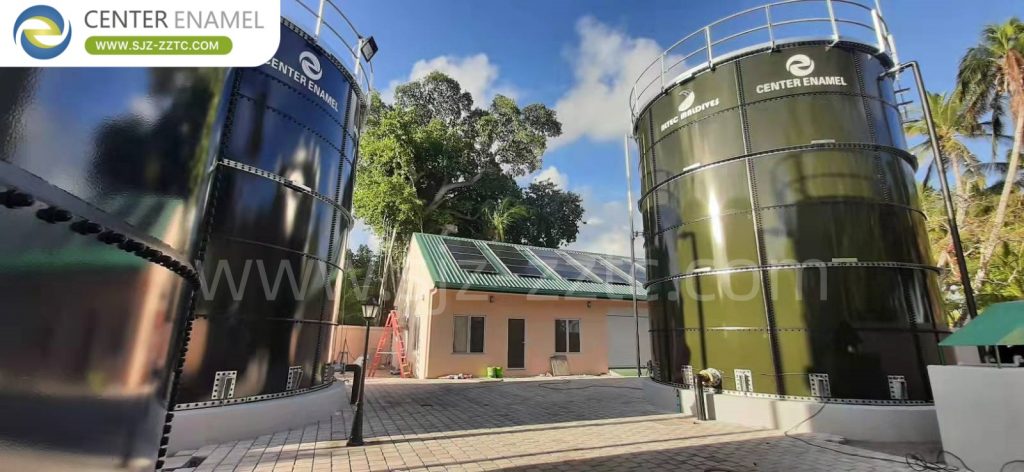
Where public water supplies are inadequate or unreliable, water storage tanks are commonly used. These provide a dedicated and controlled water source for fire protection systems. Types include gravity tanks that use elevation to generate pressure, suction tanks located at or below grade that supply water to a fire pump, and pressure tanks that store water with compressed air.
Natural Water Sources
Naturally occurring water bodies such as rivers, lakes, ponds, reservoirs, flumes, and penstocks can serve as fire water supplies, particularly in remote or industrial applications. These sources must include intake screens to prevent debris ingress, be evaluated for seasonal variability in water levels, and provide sufficient volume to meet peak system demand. Because natural sources do not inherently provide pressure, they must always be paired with a fire pump.
The Emerging Role of Reclaimed Water in Fire Protection
With increasing emphasis on sustainability, reclaimed or recycled water is gaining attention as a viable fire protection water source. This trend is being formally recognized in building codes. The 2024 International Fire Code now addresses the use of reclaimed and recycled water for fire protection purposes, requiring that the water be analyzed to evaluate any health hazard and to determine whether contaminants will be detrimental to fire protection system components.
Why Reclaimed Water Makes Sense for Fire Fighting
Research shows that almost half of the water after technical or technological use is drained to wastewater treatment plants and subsequently discharged into rivers and streams. Modern urban and industrial wastewater treatment is now at such a high level that treated water often has higher quality than surface water in the watercourse. Under these improving conditions, it is increasingly appropriate to use well-treated wastewater not only for agriculture but also as an alternative supply of fire water.
The advantages of using reclaimed water for fire fighting include:
Sustainable Resource Utilization: Converting treated wastewater from a disposal problem into a valuable fire protection resource.
Drought Resilience: Providing reliable fire water even during water scarcity conditions.
Reduced Pressure on Freshwater Sources: Conserving potable water for essential uses while maintaining fire protection capability.
However, water quality is a critical consideration. Reclaimed water must be evaluated to ensure it does not contain contaminants that could corrode or clog fire protection equipment, nor present health hazards to firefighters who may be drenched during operations. NFPA 13 now allows the use of recycled or reclaimed water for sprinkler systems provided the building owner has analyzed the water source and determined that contaminants will not be detrimental to the sprinkler system components.
Wastewater Treatment Plants as Strategic Fire Water Sources
Wastewater treatment plants (WWTPs) represent an underutilized strategic asset for fire water supply. The dislocation of WWTPs in territorial cadastres with safe access to treated water allows rapid pumping at any time, particularly valuable when no other suitable natural or multipurpose source of fire water is available.
One of the key advantages is that fire fighting is a non-continuous, largely seasonal activity. The water requirement for a single fire event is minimal compared to the average daily operation of a wastewater treatment plant. For example, a fire of average size in a family house can be extinguished within approximately 30 minutes with a consumption of about 15 m³ of water, while a large WWTP processes tens of thousands of m³ daily. This means that utilizing treated wastewater for fire fighting imposes no significant burden on WWTP operations while providing a valuable public safety service.
The ISO is currently developing guidelines for wastewater treatment and reclamation processes specifically for industrial water reuse applications, including fire protection use in industrial parks. This reflects the growing recognition that well-treated wastewater can serve as a reliable, sustainable fire water source.
Center Enamel: Your Trusted Partner for Fire Fighting Water Storage Solutions
Center Enamel is a global leader in water storage solutions. With over 30 years of expertise, our storage tanks are trusted in more than 100 countries worldwide, providing reliable and sustainable water storage for diverse applications including fire protection systems, drinking water, municipal water systems, and industrial water needs.
Premium Glass-Fused-to-Steel Tanks
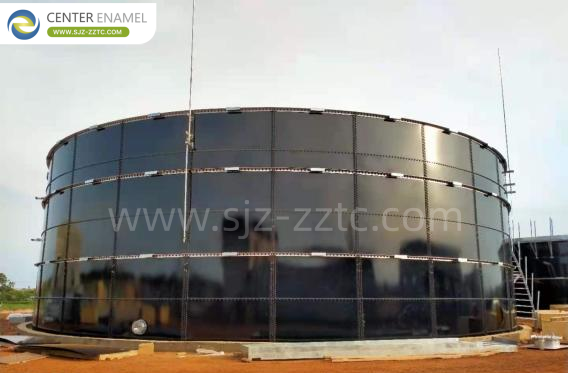
Center Enamel is the largest manufacturer of Glass-Fused-to-Steel (GFS) tanks in Asia. Our GFS tanks are engineered for exceptional durability and corrosion resistance. Through a proprietary firing process at 820°C to 930°C, molten glass fuses to the steel surface, creating an inert, inorganic bond that provides the strength of steel with the corrosion resistance of glass. This makes them ideal for fire water storage in aggressive environments, including when using reclaimed water sources that may have higher chemical content.
Unmatched Durability and Reliability
Center Enamel tanks have proven their resilience under extreme conditions. In Ecuador, a GFS tank used in a water supply system successfully resisted a 7.8 magnitude earthquake without sustaining damage. This extraordinary reliability is exactly what fire protection systems demand—water must be available when it is needed most.
Rapid Installation and Global Expertise
Our bolted tank design ensures rapid on-site assembly, minimizing project timelines. We offer full EPC (Engineering, Procurement, and Construction) services, handling everything from initial design to manufacturing, shipping, installation, and commissioning. With successful projects delivered in over 100 countries and full certification to international standards including ISO 9001, NSF/ANSI 61, and AWWA D103, Center Enamel provides world-class quality and reliability.
Comprehensive Water Storage Solutions
Beyond fire water tanks, Center Enamel supplies a complete range of storage solutions for wastewater treatment, biogas projects, and potable water storage. Whether you are planning a new fire protection system or upgrading an existing one, our tanks offer the durability, reliability, and sustainability you need.
Conclusion
Fire fighting water is the essential resource that protects life and property during fire emergencies. With growing water scarcity and sustainability pressures, reclaimed water from wastewater treatment plants represents an emerging, environmentally responsible source of fire water. Modern treatment technology produces water of sufficient quality for fire protection, provided appropriate analysis and safeguards are in place.
Center Enamel stands ready to support your fire protection water storage needs with world-class GFS tank technology, comprehensive EPC services, and a proven track record of reliability in diverse applications and extreme conditions. Partner with Center Enamel for water storage solutions you can count on—when it matters most.
Frequently Asked Questions (FAQs)
1. Can reclaimed or recycled water be used for fire fighting?
Yes. The 2024 International Fire Code allows the use of reclaimed and recycled water for fire protection purposes, provided the water quality is analyzed for health hazards and to ensure contaminants will not damage fire protection equipment components. NFPA 13 also permits recycled water for sprinkler systems subject to water quality evaluation.
2. What are the three essential criteria for a fire fighting water supply?
A fire fighting water supply must be automatic, reliable, and capable of delivering sufficient flow and pressure to satisfy system demand. The supply must be available instantly upon system activation, consistently dependable during emergencies, and hydraulically adequate for the most demanding fire scenario.
3. What types of water storage tanks are used for fire protection?
Common fire water tank types include gravity tanks (elevated to generate pressure), suction tanks (located at or below grade, supplying water to a fire pump), and pressure tanks (storing water with compressed air). Gravity and suction tanks are most common in modern installations.