
What Is Industrial Wastewater? A Complete Guide to Sources, Treatment, and Sustainable Solutions
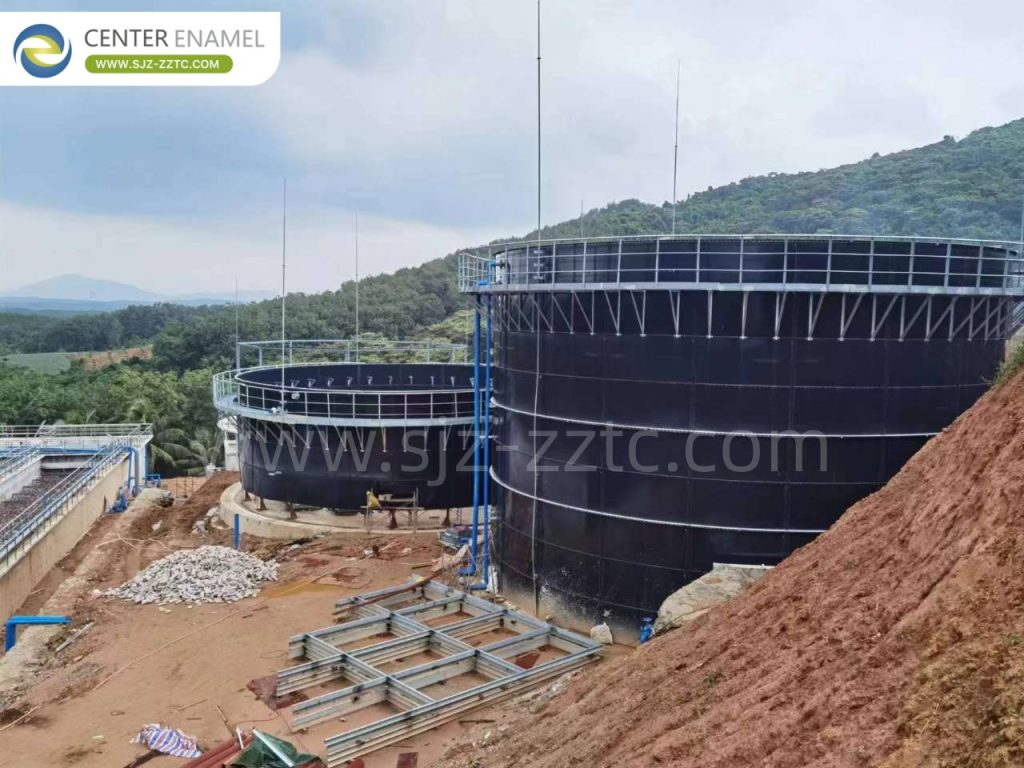
Industrial wastewater refers to any water that has been used in industrial or commercial processes and contains contaminants that make it unsuitable for direct reuse or discharge into the environment. It is generated from a wide range of manufacturing, processing, and production activities across industries including textiles, food processing, chemicals, pharmaceuticals, pulp and paper, metallurgy, and more.
Unlike municipal sewage, which primarily comes from households and public facilities, industrial wastewater is characterized by its diverse composition, high pollutant concentrations, and potential toxicity. It may contain heavy metals, synthetic chemicals, oils, organic compounds, nutrients, suspended solids, and other hazardous substances that require specialized treatment before disposal.
Industrial wastewater can be broadly classified into three categories:
Inorganic wastewater: Generated by industries such as metallurgy, mining, and inorganic chemical production, containing minerals, acids, alkalis, and heavy metals.
Organic wastewater: Produced by food processing, petrochemicals, plastics, and textile industries, containing high levels of biodegradable and non-biodegradable organic compounds.
Mixed wastewater: Containing significant amounts of both organic and inorganic pollutants, common in complex industrial processes.
Common Sources and Types of Industrial Wastewater
Industrial wastewater streams vary significantly depending on the industry and the processes involved. Some of the most common sources include:
Cooling Water
Used in power plants, refineries, and chemical plants to dissipate heat. Contaminants typically include elevated temperatures, small amounts of organic matter, oils, and biocides used for biological growth control.
Process Water
Used directly in manufacturing processes across food processing, pharmaceutical, and textile industries. This wastewater often contains organic materials, oils, fats, chemicals, dyes, and solvents from production activities.
Wash Water
Generated from cleaning equipment, machinery, and processing areas. It frequently contains oils, grease, detergents, and chemical residues.
Boiler Blowdown
Discharged from boilers to control mineral concentrations. Contains dissolved solids, salts, and treatment chemicals.
Cooling Tower Blowdown
Water discharged from cooling towers to control mineral buildup and scaling, containing minerals, dissolved solids, and biocides.
Rainwater Runoff
From industrial sites, picking up oils, heavy metals, chemicals, and debris from impervious surfaces.
Landfill Leachate
From industrial waste disposal sites, containing dissolved organic matter, heavy metals, and potentially harmful chemicals.
Environmental and Health Hazards of Untreated Industrial Wastewater
The discharge of untreated industrial wastewater poses severe environmental and public health risks:
Water Source Contamination: Industrial effluent can contaminate rivers, lakes, and groundwater, rendering water sources unsafe for drinking, agriculture, and aquatic life.
Eutrophication: Nutrients like nitrogen and phosphorus from wastewater cause algal blooms that deplete oxygen in water bodies, leading to fish kills and ecosystem collapse.
Toxic Effects: Heavy metals, synthetic chemicals, and persistent organic pollutants can bioaccumulate in the food chain, causing long-term health effects in humans and wildlife.
Public Health Risks: Pathogens and toxic substances in untreated wastewater can cause infectious diseases, cancer, and other chronic health conditions.
According to research, 48% of global wastewater is untreated, and industrial wastewater is often more toxic than municipal sewage, requiring more sophisticated treatment strategies.
Industrial Wastewater Treatment: Technologies and Approaches
Effective treatment of industrial wastewater typically involves a multi-stage process tailored to the specific characteristics of the effluent. Common treatment stages include:
Preliminary Treatment
Removes large debris, grit, and solids through screening and sedimentation.
Primary Treatment
Removes suspended solids, oils, and grease using sedimentation, dissolved air flotation (DAF), and oil-water separation.
Secondary Treatment (Biological)
Uses biological processes to reduce organic matter, nitrogen, and phosphorus. Methods include:
Aerobic Treatment: Activated sludge, aerated lagoons, and membrane bioreactors (MBR).
Anaerobic Treatment: Upflow Anaerobic Sludge Blanket (UASB), Internal Circulation (IC) reactors, and other technologies that also produce biogas for energy recovery.
Tertiary (Advanced) Treatment
Provides additional polishing to meet discharge or reuse standards. Includes membrane filtration, adsorption, ion exchange, chemical oxidation, and advanced oxidation processes (AOPs).
Center Enamel: Your One-Stop Solution for Industrial Wastewater Treatment
Center Enamel (Shijiazhuang Zhengzhong Technology Co., Ltd.) is a global leader in wastewater treatment engineering, process contracting, and equipment manufacturing. With over 35 years of experience, a 150,000㎡ R&D and manufacturing center, and a production capacity of 300,000 sheets per year, Center Enamel delivers comprehensive turnkey EPC solutions for industrial wastewater treatment projects.
Core Technologies and Equipment
Glass-Fused-to-Steel (GFS) Tanks
Center Enamel's flagship GFS tanks are manufactured by fusing high-tech glass enamel to specialized steel at over 820°C, creating a chemically inert surface with superior corrosion resistance. These tanks withstand pH 1–14 conditions, making them ideal for aggressive industrial effluent.
Specialized Roof Systems
Aluminum Geodesic Dome Roofs: Provide corrosion resistance and protection from tropical climate conditions.
Double Membrane Roof Systems: Enable gas-tight containment for biogas recovery from anaerobic digesters.
Advanced Biological Treatment
Integration of anaerobic technologies (UASB, IC, CSTR, USR) with biological polishing achieves efficient COD/BOD removal while generating renewable biogas energy.
Why Choose Center Enamel?
Full Turnkey EPC Services: Single-point accountability from design, manufacturing, and installation through commissioning and after-sales support.
International Standards Compliance: Products meet ISO 28765, AWWA D103-09, OSHA, and NSF/ANSI 61.
Proven Track Record: Decades of experience across multiple countries and industries.
Tailored Solutions: Customized designs based on specific wastewater characteristics, climate conditions, and regulatory requirements.
Efficient Installation: Modular bolted assembly reduces on-site welding, accelerates construction, and minimizes project risk.
Conclusion
Industrial wastewater is a complex and potentially hazardous byproduct of manufacturing and processing activities. Effective treatment is essential not only for regulatory compliance but also for protecting public health, preserving water resources, and achieving sustainability goals. By understanding the sources, characteristics, and treatment options available, industries can select appropriate solutions to manage their wastewater responsibly.
Center Enamel stands as a trusted partner in this endeavor, delivering comprehensive, cost-effective, and durable industrial wastewater treatment solutions worldwide. With deep engineering expertise, advanced technologies, and a commitment to quality, Center Enamel helps industries transform wastewater from a liability into a valuable resource.
FAQ
1. What is the difference between industrial wastewater and municipal sewage?
Industrial wastewater comes from manufacturing and industrial processes and typically contains higher concentrations of toxic chemicals, heavy metals, and complex organic compounds. Municipal sewage primarily comes from households and contains organic matter, nutrients, and pathogens. Industrial wastewater often requires specialized treatment due to its more complex and hazardous nature.
2. What industries produce the most wastewater?
Manufacturing sectors generate the largest volume of industrial wastewater, including textile, food processing, pulp and paper, chemical, pharmaceutical, and iron and steel industries. The quantity and characteristics vary significantly by industry and specific processes.
3. What is the most common treatment method for industrial wastewater?
Treatment is typically multi-stage. Biological treatment (aerobic and anaerobic) is widely used for organic-rich effluent, while physico-chemical methods (flotation, coagulation, advanced oxidation) are applied for removal of suspended solids, heavy metals, and recalcitrant compounds. Anaerobic digestion is increasingly adopted for its dual benefit of treating organic wastewater and producing biogas energy.