
What Is Landfill Leachate? Uncovering the Toxic Brew Beneath Our Waste
If you live near a landfill, you may have heard the term "leachate." But what exactly is it? Put simply, landfill leachate is a highly contaminated liquid that forms when water passes through decomposing waste in a landfill . As this water percolates through layers of refuse, it picks up a complex mixture of dissolved and suspended materials, creating a wastewater that can be hundreds of times more polluted than raw sewage .
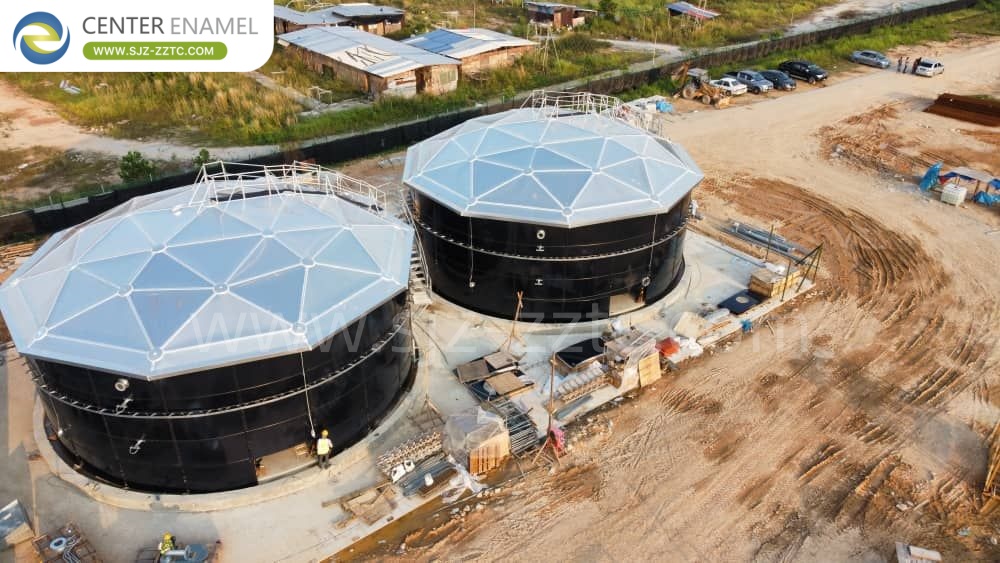
Leachate is often described as a dark, foul-smelling liquid-ranging from yellowish in young landfills to deep brown or black in older ones . Its composition is so complex and variable that it presents one of the greatest environmental challenges in modern waste management. Understanding what leachate is, how it forms, and what it contains is the first step toward managing its risks effectively.
How Does Landfill Leachate Form?
Leachate forms through two primary mechanisms. The first is simply the infiltration of precipitation-rainwater or snowmelt that percolates through the landfill cover and waste mass. The second is the moisture already contained within the waste itself, often referred to as "primary leachate" .
When water contacts decomposing organic material, it undergoes a series of physical, chemical, and biological reactions that transform it into leachate. As the water moves through the landfill, it dissolves and suspends contaminants, picking up organic matter, inorganic salts, heavy metals, and pathogens . The rate at which leachate is generated depends on several factors:
Climate: High-precipitation areas naturally generate more leachate .
Landfill design: The presence of cover systems and liners significantly affects water infiltration .
Waste characteristics: The moisture content and composition of the waste itself influence leachate production .
Topography: Landfill slope and surface runoff patterns affect how much water enters the waste mass .
What Is Leachate Made Of? Understanding Its Composition
Leachate is often characterized as a "strong wastewater" containing four main pollutant categories: dissolved organic matter, inorganic macro-components, heavy metals, and xenobiotic organic compounds . However, the exact composition varies dramatically depending on the landfill's age, waste type, and operational conditions .
Key Components of Leachate
| Parameter | Typical Range | Significance |
| Chemical Oxygen Demand (COD) | 500 – 70,000 mg/L | Measures total organic content; higher values indicate more pollution |
| Biochemical Oxygen Demand (BOD) | 20 – 40,000 mg/L | Measures biodegradable organic matter |
| Ammonia Nitrogen (NH₄-N) | 1,000 – 4,000 mg/L | A major long-term pollutant; highly toxic to aquatic life |
| Heavy Metals (Pb, Cd, Cr, Zn) | Variable | Can leach from industrial and electronic waste; toxic and persistent |
| pH | 4.5 – 9.0 | Acidic in young leachate, alkaline in mature leachate |
The table above shows that leachate can contain exceptionally high organic loads. In some extreme cases, COD concentrations have been recorded as high as 70,000 mg/L-far exceeding typical municipal wastewater .
The Four Stages of Landfill Decomposition and Leachate Evolution
Leachate composition changes over time as the landfill undergoes predictable stages of decomposition. Understanding these stages is critical for designing effective treatment systems.
1. Aerobic Phase (Initial)
At the start, oxygen is present in the newly deposited waste. Aerobic decomposition occurs, producing carbon dioxide and heat. This phase is relatively short.
2. Acid Phase (Acetogenic Phase)
As oxygen is depleted, anaerobic bacteria become active. They convert complex organic matter into volatile fatty acids, leading to a sharp drop in pH (often below 6). This produces a young leachate characterized by:
High BOD and COD (BOD can exceed 40,000 mg/L)
Low pH (acidic conditions)
High concentrations of heavy metals (metals are more soluble at low pH)
A high BOD/COD ratio (>0.5), meaning the leachate is readily biodegradable
3. Initial Methanogenic Phase
As acids accumulate, methanogenic bacteria begin converting them into methane and carbon dioxide. pH rises, and the BOD/COD ratio begins to decline.
4. Stable Methanogenic Phase
This is the mature stage. The organic load is significantly reduced, but ammonia remains high. This "old" leachate is characterized by:
Low BOD (typically <500 mg/L)
Low BOD/COD ratio (<0.1), indicating recalcitrant organic matter that resists biological treatment
High pH (alkaline, often >7.5)
Elevated ammonia nitrogen, which persists as a long-term pollutant
| Characteristic | Young Leachate (Acid Phase) | Mature Leachate (Methanogenic Phase) |
| pH | 4.5 – 6.5 | 7.5 – 9.0 |
| BOD₅ | 4,000 – 40,000 mg/L | 20 – 550 mg/L |
| COD | 6,000 – 60,000 mg/L | 500 – 4,500 mg/L |
| BOD/COD Ratio | 0.5 – 1.0 | < 0.1 |
| Heavy Metals | High (more soluble) | Low (precipitate at high pH) |
| Ammonia | Moderate | High (persistent) |
Table adapted from EPA data on leachate composition changes across decomposition phases
What Factors Influence Leachate Characteristics?
Leachate is not a one-size-fits-all contaminant. Its characteristics are shaped by a complex interplay of factors :
Landfill Age
As outlined above, age is perhaps the most significant factor. Young landfills (under 5 years) generate leachate with high organic loads and acidic pH. Older landfills (over 10 years) produce leachate that is lower in organics but high in ammonia and resistant to biological treatment .
Waste Composition
The specific mixture of waste-municipal, industrial, or hazardous-directly influences the contaminants present. Leachate from landfills receiving electronic or industrial waste may contain higher concentrations of heavy metals and xenobiotics .
Climate
Temperature affects the kinetics of biochemical processes; warmer conditions accelerate decomposition and alter leachate composition. Precipitation directly impacts leachate volume and can dilute contaminant concentrations .
Engineering and Management
Modern landfills with liners and leachate collection systems are designed to minimize environmental release. The use of daily covers can significantly reduce infiltration, while gas collection systems can alter internal biochemical pathways, indirectly affecting leachate chemistry .
Why Is Leachate a Serious Environmental and Health Concern?
Leachate poses significant risks to the environment and human health, primarily through its potential to contaminate groundwater and surface water .
Groundwater Contamination
Leachate that escapes containment can percolate into groundwater aquifers. Contaminants of greatest concern include heavy metals like lead, cadmium, and chromium, which can accumulate in the food chain. Even when leachate is collected, leaks from liners or overflows during heavy rain can cause environmental damage .
Toxicity to Ecosystems
Studies have shown that leachate exposure causes DNA damage in aquatic fauna and growth inhibition in flora . The combined effects of ammonia, heavy metals, and organic compounds often create synergistic toxicity that is more harmful than any single pollutant.
Public Health Risks
Common air pollutants from landfills-including hydrogen sulfide, particulate matter, and airborne pathogens-have been linked to respiratory issues and other health problems in nearby communities . While the leachate itself is typically contained, any failure in the containment system poses direct public health risks.
Why Is Leachate Treatment So Challenging?
The variable nature of leachate makes it one of the most difficult wastewaters to treat . Key challenges include:
High ammonia concentrations: Ammonia nitrogen often exceeds 2,000 mg/L and persists even after biological treatment, requiring specialized processes like stripping or advanced oxidation .
Recalcitrant organic matter: Older leachate contains humic and fulvic acids that resist biological breakdown, necessitating physical-chemical treatments .
Seasonal and temporal variability: Leachate quality can fluctuate dramatically with rainfall, temperature, and operational changes, making consistent treatment difficult.
Emerging contaminants: Recent research highlights the presence of microplastics, antibiotics, and other emerging contaminants in leachate, which are not addressed by conventional treatment systems .
Conclusion: The Bigger Picture
Landfill leachate is far more than just "dirty water." It is a complex, dynamic, and potentially hazardous liquid that reflects the entire history of the waste from which it originates. Its composition evolves as the landfill ages, moving from an acidic, highly organic solution to an alkaline brew dominated by persistent ammonia and refractory compounds.
Understanding leachate-its formation, composition, and environmental risks-is essential for designing effective management strategies. No single treatment method can handle all leachate types effectively . Instead, a combination of approaches is typically required. As waste streams become more complex and environmental regulations tighten, the challenge of managing landfill leachate will only grow more pressing.
FAQ
1. Is landfill leachate the same as sewage?
No. While both are wastewaters, leachate is generally far more concentrated and variable. Leachate can contain COD levels up to 70,000 mg/L-many times higher than typical sewage-along with high ammonia and heavy metals .
2. What does landfill leachate look and smell like?
Leachate appearance varies from translucent yellowish (young leachate) to opaque dark brown or black (mature leachate). It typically has a strong, foul odor due to the presence of volatile organic acids and ammonia .
3. Is leachate always toxic?
Yes, leachate is generally considered hazardous due to its high concentrations of organic matter, ammonia, heavy metals, and potential pathogens. However, toxicity levels vary greatly depending on landfill age and waste composition.
4. Can leachate be treated and reused?
Yes, with proper treatment, leachate can be treated to meet discharge standards. Some advanced treatment trains, including reverse osmosis, can produce water suitable for industrial reuse, though this is not yet common practice.
5. How long does a landfill continue to produce leachate?
Landfills can generate leachate for decades, even after closure. Ammonia, in particular, is a long-term pollutant that may persist for 30 years or more, requiring ongoing collection and treatment even after the landfill is stabilized .