
What Is Livestock Manure? Traditional Management Methods vs. Biogas Conversion
Livestock manure has been a valuable resource in agriculture for millennia, serving as a natural fertilizer that enriches soil and sustains crop production . However, the sheer volume of manure generated by modern farming operations presents significant environmental challenges, including greenhouse gas emissions, water pollution, and odor concerns. This article explores what livestock manure is, examines traditional management practices, and demonstrates why converting manure to biogas is a superior solution for both farmers and the environment.
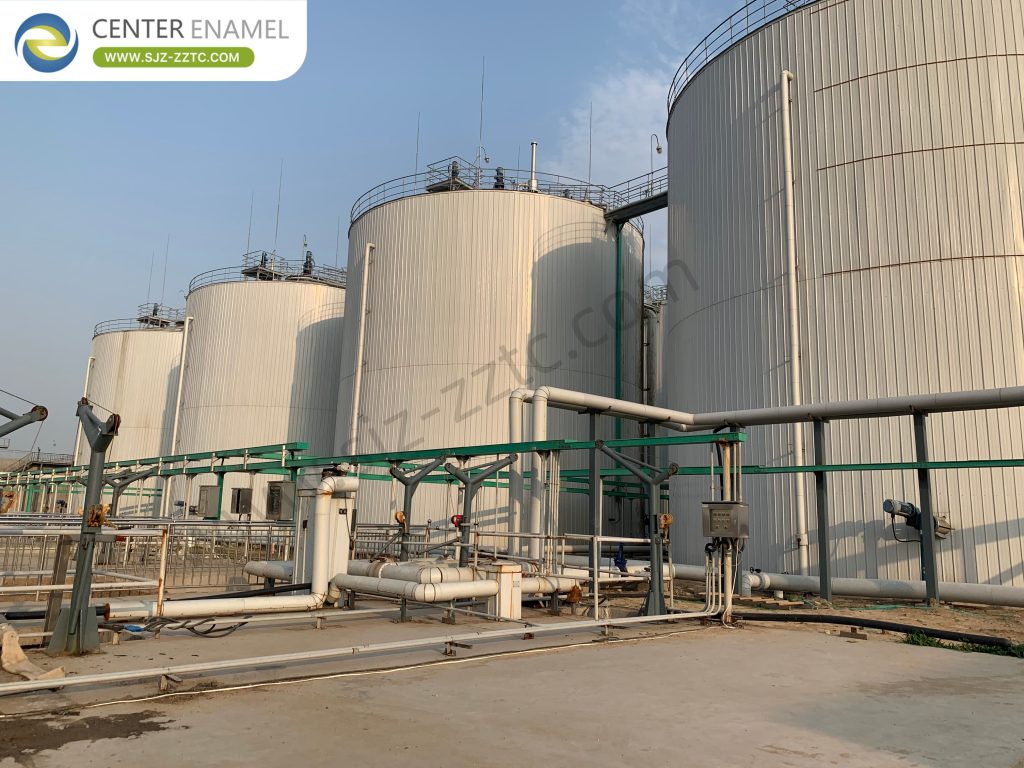
What Is Livestock Manure?
Livestock manure refers to the organic waste material produced by farm animals, including cattle, pigs, poultry, sheep, and horses. It consists of a mixture of animal feces, urine, bedding materials such as straw or sawdust, and spilled feed. Manure is rich in essential plant nutrients, particularly nitrogen (N), phosphorus (P), and potassium (K), as well as organic matter that improves soil structure and water retention . The composition of manure varies significantly depending on the animal species, diet, and management system, which influences its value as a fertilizer and its suitability for different treatment methods.
Traditional Livestock Manure Management Practices
Farmers have developed various traditional methods for managing livestock manure, primarily aimed at utilizing its fertilizing value while minimizing environmental harm.
Direct Application to Farmland
The most straightforward traditional practice involves collecting manure and applying it directly to crop fields. In many smallholder farming systems, manure is stored in simple heaps or pits before being transported to fields . This method provides essential nutrients to crops and improves soil organic matter content. However, direct application comes with significant drawbacks: nutrient losses through volatilization and leaching, the risk of pathogen transmission, and the heavy labor required for collection, storage, and transport .
Composting and Stockpiling
Composting involves piling manure in heaps or pits where aerobic decomposition stabilizes the organic matter. Proper composting can reduce pathogen levels, decrease odors, and produce a more uniform product . Some farmers also practice corralling, where livestock are moved directly onto farmland to deposit manure in place, eliminating transport costs . However, these methods require significant space, time, and management attention, and nutrient losses during storage can be substantial, especially when compost piles are unprotected from weather .
Challenges of Traditional Methods
Traditional manure management is often inefficient and environmentally problematic. When manure is stored or applied improperly, nutrients can run off into waterways, causing eutrophication and algal blooms. Furthermore, decomposing manure releases methane (CH₄) and nitrous oxide (N₂O)-potent greenhouse gases that contribute to climate change . Studies have shown that the environmental cost of traditional tank fermentation and oxidation pond manure treatment is approximately 17.6% higher than modern biogas-based treatment methods . In addition, farmers frequently cite the labor-intensive nature of manure handling and weed seed contamination as reasons for not fully utilizing manure resources .
Converting Livestock Manure to Biogas: A Sustainable Alternative
Anaerobic digestion offers a modern, efficient solution for processing livestock manure. This biological process breaks down organic matter in an oxygen-free environment, capturing methane gas that would otherwise escape into the atmosphere and converting it into renewable energy .
How Anaerobic Digestion Works
In an anaerobic digester-a sealed tank maintained at optimal temperatures-microorganisms decompose organic material in livestock manure. The process produces biogas, primarily composed of methane (typically 55-65%) and carbon dioxide . The residual material, known as digestate, remains rich in nutrients and can be applied to fields as a high-quality fertilizer . This technology transforms manure from a waste problem into a valuable resource.
Energy Production from Manure
Anaerobic digestion enables farms to produce clean, renewable energy from waste. The captured biogas can be used to generate on-farm electricity and heat, or upgraded to renewable natural gas (RNG) that is interchangeable with conventional natural gas for heating, industrial use, or vehicle fuel . The energy potential is substantial: processing one tonne of cattle manure can yield approximately 23.22 m³ of biogas with an energy equivalent of 510 MJ . Unlike fossil fuels, biogas is carbon-neutral because the carbon released during combustion was recently captured by plants that animals consumed.
Environmental and Agricultural Benefits
Converting manure to biogas offers compelling environmental advantages. Anaerobic digestion reduces methane emissions by capturing gas that would otherwise be released during decomposition, significantly lowering a farm's carbon footprint . The process also reduces odors by up to 90%, improving neighbor relations and farm worker conditions . Furthermore, digestion decreases pathogens and weed seed viability compared to raw manure, reducing disease risks and weed pressure on crops . The nitrogen losses during anaerobic digestion are minimal-only 1.5-3%-compared to 20-25% losses during traditional composting , preserving more fertilizing value for crop production.
Traditional Methods vs. Biogas Conversion: Key Comparisons
| Aspect | Traditional Manure Management | Biogas Conversion |
| Nutrient Retention | High losses (20-25% N) via volatilization | Low losses (1.5-3% N), nutrients preserved |
| Energy Recovery | None; methane released to atmosphere | Captured as renewable biogas |
| Greenhouse Gas Emissions | High; significant CH₄ and N₂O release | Reduced; methane captured and utilized |
| Odor Control | Minimal; odors persist | Up to 90% odor reduction |
| Pathogen Reduction | Variable; composting partially effective | High pathogen reduction |
| Weed Seed Control | Poor; seeds survive | Effective; seeds destroyed |
| Labor Requirements | High; collection, transport, application | Moderate; system automation possible |
| Environmental Cost | Higher (17.6% greater) | Lower |
The Role of Anaerobic Digestion in Circular Agriculture
Anaerobic digestion embodies the principles of a circular economy by closing nutrient loops and generating value from waste. The digestate byproduct provides a stable, nutrient-rich fertilizer that supports soil health and reduces reliance on synthetic chemical fertilizers . By combining anaerobic digestion with subsequent composting, farms can maximize both energy recovery and fertilizer quality . This integrated approach enhances both environmental sustainability and farm profitability.
Advantages of Glass-Fused-to-Steel (GFS) Tanks for Biogas Projects
The success of a biogas system depends heavily on the quality and durability of its infrastructure. Glass-Fused-to-Steel (GFS) tanks represent the gold standard for anaerobic digesters and related biogas equipment . GFS technology involves fusing a glass coating to steel panels at high temperatures, creating a surface that combines the mechanical strength of steel with the corrosion resistance of glass .
Superior Corrosion Resistance: GFS tanks are exceptionally resistant to the aggressive organic acids, hydrogen sulfide, and other corrosive compounds present in livestock manure and the digestion environment. This durability ensures a long service life and minimizes maintenance costs .
Rapid and Cost-Effective Installation: GFS tanks are bolted structures assembled from factory-prefabricated panels, enabling faster construction compared to concrete or welded steel alternatives. This modular design reduces on-site labor and project timelines .
Scalability and Flexibility: The modular bolted construction allows for easy expansion if farm capacity increases, providing a flexible solution that can adapt to growing operations .
Environmental Safety: Advanced sealing systems prevent leaks, ensuring safe containment of waste materials and protection of surrounding soil and water resources .
Conclusion
Livestock manure is a valuable resource that, when managed appropriately, can support sustainable agriculture and renewable energy production. While traditional management methods have served farmers for generations, they are increasingly inadequate for addressing modern environmental challenges. Converting manure to biogas through anaerobic digestion offers a superior solution that captures methane for energy, reduces greenhouse gas emissions, preserves nutrients, and produces high-quality fertilizer. The adoption of robust infrastructure, such as Glass-Fused-to-Steel tanks from Center Enamel, ensures that biogas systems deliver reliable, long-term performance. By transitioning to biogas conversion, farmers can turn a waste problem into an economic and environmental opportunity.
FAQ
Q1: What types of livestock manure are suitable for biogas production?
All types of livestock manure can be used in anaerobic digestion systems. Cattle, pig, and poultry manure are most commonly processed, but manure from sheep, horses, and other farm animals is also suitable. Co-digesting manure with agro-industrial waste or crop residues can further enhance biogas yields .
Q2: Is the digestate from anaerobic digestion safe to use as fertilizer?
Yes, digestate is safe and beneficial as a fertilizer. The anaerobic digestion process significantly reduces pathogens, bacteria, and viruses compared to raw manure. Digestate contains nutrients including nitrogen, phosphorus, and potassium that are more readily available to plants than those in untreated manure .
Q3: What makes Glass-Fused-to-Steel (GFS) tanks ideal for biogas digesters?
GFS tanks offer excellent corrosion resistance against the acids and gases in manure, have a long service life, and require minimal maintenance. They are assembled quickly on-site from prefabricated panels, reducing construction time and costs. The modular design also allows for future expansion as farm needs grow .