
How to Treat Mother Liquor: Technologies and Treatment Processes
Mother liquor is the residual liquid remaining after crystallization, precipitation, extraction, or other separation processes in industrial production. It usually contains dissolved salts, unreacted raw materials, organic compounds, chemical additives, and residual target products.
In chemical, pharmaceutical, fertilizer, and fine chemical manufacturing, mother liquor is generated when solid products are separated from liquid mixtures through filtration or centrifugation.
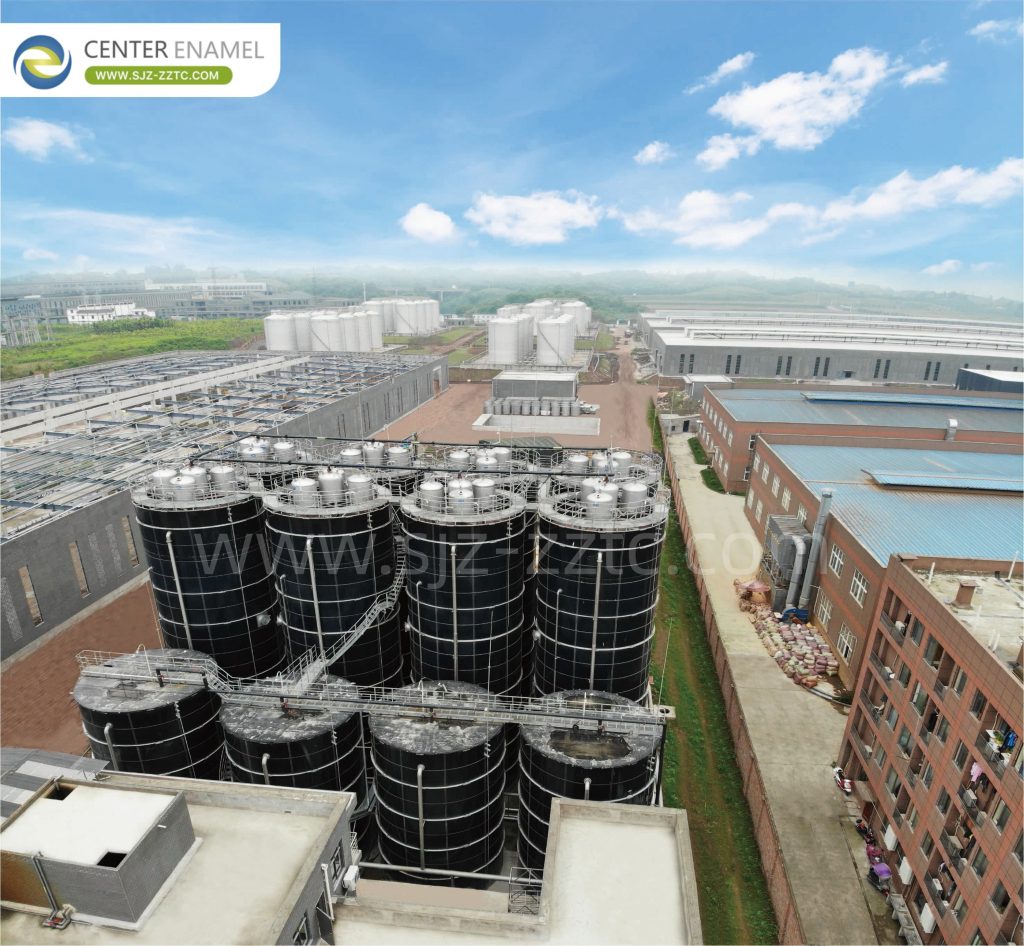
Unlike ordinary industrial wastewater, mother liquor often contains high concentrations of dissolved substances and organic pollutants. Its chemical composition depends heavily on the production process and raw materials.
Some mother liquor streams may still contain valuable products or recoverable chemicals, while others contain substances that require specialized wastewater treatment.
Therefore, mother liquor treatment is not simply about removing pollutants. It also involves evaluating resource recovery opportunities, reducing wastewater discharge, and improving overall production efficiency.
Main Sources of Industrial Mother Liquor
Mother liquor is generated in various industrial processes, particularly those involving crystallization, chemical synthesis, and solid-liquid separation.
Different industries produce mother liquor with significantly different chemical characteristics.
The following table summarizes common sources and their wastewater characteristics.
| Industry | Main Sources | Typical Components |
| Pharmaceutical | Drug crystallization and purification | Organic solvents, residual APIs, salts |
| Chemical manufacturing | Chemical synthesis and crystallization | Organic intermediates, acids, alkalis |
| Fertilizer production | Salt crystallization and separation | Ammonium salts, nitrates, phosphates |
| Pesticide manufacturing | Product synthesis and purification | Pesticide residues, solvents, organic compounds |
| Fine chemicals | Crystallization and extraction | High-concentration organic substances |
| Food processing | Sugar and salt crystallization | Sugars, organic matter, dissolved salts |
| Inorganic chemicals | Salt production and purification | Chlorides, sulfates, and other dissolved salts |
Among these industries, pharmaceutical and fine chemical manufacturing are particularly challenging because their mother liquor may contain complex organic compounds, toxic substances, and high concentrations of dissolved salts.
Main Characteristics of Mother Liquor
Understanding the characteristics of mother liquor is essential for selecting an appropriate treatment process.
Although its composition varies between industries, several common characteristics can be identified.
1. High COD Concentration
Mother liquor may contain significant quantities of residual organic compounds, solvents, and unreacted raw materials. These substances can result in extremely high chemical oxygen demand (COD).
2. High Salt Concentration
Many crystallization processes involve inorganic salts or chemical reagents. As a result, mother liquor may have high total dissolved solids (TDS), which can complicate biological treatment and membrane separation.
3. Complex Chemical Composition
Mother liquor can contain multiple organic and inorganic substances, including acids, alkalis, solvents, and intermediate products.
4. High Toxicity and Low Biodegradability
Certain pharmaceutical intermediates, pesticides, and synthetic organic compounds can inhibit microbial activity and resist conventional biological degradation.
5. Fluctuating Water Quality
Changes in production batches, raw materials, and operating conditions can cause substantial variations in COD, pH, salinity, and pollutant concentrations.
These characteristics make mother liquor one of the more difficult industrial wastewater streams to manage.
Why Is Mother Liquor Treatment Difficult?
Treating mother liquor presents several technical challenges that require careful process selection and engineering design.
High Organic Loading
The high concentration of organic pollutants can exceed the treatment capacity of conventional biological systems. Direct biological treatment may result in poor COD removal and unstable operation.
High Salinity and TDS
Excessive salt concentrations can create osmotic stress for microorganisms, reducing biological treatment efficiency. High TDS also increases the difficulty of membrane treatment and concentrate management.
Toxic and Refractory Compounds
Some mother liquor contains organic substances that are difficult to biodegrade. Toxic compounds may inhibit microbial growth, while stable molecular structures resist conventional oxidation.
Difficult Solid-Liquid Separation
Certain mother liquor streams contain fine suspended particles, emulsified substances, or substances that are difficult to precipitate. These characteristics can increase chemical consumption and sludge production.
High Treatment and Operating Costs
Advanced oxidation, evaporation, membrane concentration, and resource recovery systems require specialized equipment and energy. Without proper process integration, operating costs can become significant.
Resource Recovery Challenges
Mother liquor may contain valuable products, solvents, or salts. Direct discharge or conventional treatment can result in the loss of recoverable materials.
For these reasons, an effective treatment strategy should consider both pollutant removal and potential resource recovery.
Common Mother Liquor Treatment Technologies
There is no universal treatment method suitable for all types of mother liquor. The appropriate technology depends on its composition, pollutant concentration, salinity, and treatment objectives.
The following technologies are commonly applied.
5.1 Evaporation and Crystallization
Evaporation and crystallization are widely used for treating high-salinity mother liquor.
The process removes water through evaporation, increasing the concentration of dissolved substances until salts or other components crystallize and can be separated.
Common equipment includes:
Multiple-effect evaporators
Mechanical vapor recompression (MVR) evaporators
Forced circulation evaporators
Vacuum evaporation systems
These technologies are particularly suitable for high-TDS wastewater and zero liquid discharge (ZLD) applications.
However, scaling, corrosion, energy consumption, and the handling of concentrated residues must be considered.
5.2 Advanced Oxidation Processes (AOPs)
Advanced oxidation processes are used to degrade refractory organic compounds in mother liquor.
Technologies such as Fenton oxidation, ozone oxidation, and UV/H₂O₂ generate highly reactive oxidizing species that attack complex organic molecules.
AOPs can reduce organic pollutant concentrations and improve biodegradability, making them useful as pretreatment or advanced treatment processes.
However, high salinity, chemical consumption, and wastewater composition may influence oxidation efficiency.
5.3 Membrane Separation Technology
Membrane separation technologies use selective membranes to separate dissolved substances and contaminants from water.
Common options include:
Ultrafiltration (UF)
Nanofiltration (NF)
Reverse osmosis (RO)
UF is mainly used to remove suspended solids and larger particles, while NF and RO can separate certain dissolved organic compounds and salts.
Membrane systems are particularly useful when water recovery and reuse are important treatment objectives.
Nevertheless, high TDS, scaling potential, and membrane fouling must be carefully evaluated.
5.4 Biological Treatment
Biological treatment uses microorganisms to degrade biodegradable organic substances.
Depending on wastewater characteristics, treatment systems may include activated sludge, sequencing batch reactors (SBR), or membrane bioreactors (MBR).
However, direct biological treatment is generally unsuitable for mother liquor with extremely high salinity, toxicity, or refractory COD.
Pretreatment, dilution where appropriate, or gradual acclimatization of specialized microorganisms may be necessary.
5.5 Adsorption and Chemical Treatment
Activated carbon adsorption can remove certain dissolved organic pollutants, residual color, and trace contaminants.
Chemical coagulation and precipitation can also help remove suspended solids, colloidal substances, and selected dissolved components.
These methods are often used as pretreatment or polishing processes rather than complete treatment solutions for highly concentrated mother liquor.
Comparison of Different Mother Liquor Treatment Methods
Selecting the right technology requires evaluating treatment efficiency, operating costs, and the characteristics of the wastewater.
The following table provides a general comparison.
| Treatment Method | Main Treatment Objective | Advantages | Limitations |
| Evaporation and crystallization | Concentration and salt recovery | Suitable for high-TDS wastewater | High energy consumption |
| AOP | Degradation of refractory organics | Improves biodegradability | Chemical and energy costs |
| UF/NF/RO | Separation and water recovery | Produces reusable water | Membrane fouling and concentrate |
| Biological treatment | Biodegradable COD removal | Economical under suitable conditions | Sensitive to toxicity and salinity |
| Activated carbon | Organic pollutant adsorption | Effective for polishing | Requires regeneration or replacement |
| Coagulation and precipitation | Removal of suspended and selected dissolved substances | Effective pretreatment | Produces chemical sludge |
In many industrial applications, combining several technologies offers better performance than relying on a single treatment method.
Recommended Mother Liquor Treatment Process
For complex industrial mother liquor, an integrated treatment system is often the most practical approach.
A typical treatment process may include the following stages:
Step 1: Wastewater Collection and Analysis
Collect mother liquor separately from other wastewater streams whenever practical. Analyze COD, BOD₅, pH, TDS, suspended solids, specific organic pollutants, and valuable recoverable components.
Step 2: Resource Recovery
Before wastewater treatment, evaluate whether valuable solvents, residual products, or inorganic salts can be recovered through extraction, distillation, crystallization, or other separation technologies.
Step 3: Pretreatment
Use filtration, pH adjustment, oil separation, or chemical coagulation to remove interfering substances and stabilize wastewater quality.
Step 4: Advanced Oxidation
Apply suitable oxidation technologies to break down refractory organic compounds and reduce toxicity where necessary.
Step 5: Biological Treatment
If the wastewater has sufficient biodegradability and acceptable salinity and toxicity, biological treatment can remove the remaining biodegradable organic pollutants.
Step 6: Membrane Separation and Evaporation
Use membrane technologies to recover water and concentrate dissolved substances. For high-salinity streams, evaporation and crystallization may be incorporated into a ZLD system.
Step 7: Residue Management
Properly manage concentrated brine, crystallized salts, sludge, and other treatment residues according to their chemical characteristics and applicable environmental regulations.
The final treatment configuration should be determined through laboratory analysis, process evaluation, and pilot testing.
How to Optimize Mother Liquor Treatment Efficiency and Reduce Costs
An effective mother liquor treatment system should achieve stable pollutant removal while minimizing energy consumption and operating expenses.
Several strategies can help improve overall performance.
Separate Different Wastewater Streams: Avoid mixing highly concentrated mother liquor with relatively clean wastewater unnecessarily. Separate collection makes targeted treatment and resource recovery easier.
Prioritize Resource Recovery: Recover valuable solvents, salts, and residual products before applying destructive treatment processes whenever technically and economically feasible.
Select Technologies Based on Water Quality: Avoid using expensive advanced treatment equipment without first understanding the wastewater composition.
Optimize Chemical Dosage: Conduct laboratory and pilot tests to determine appropriate oxidation agents, coagulants, and pH conditions.
Implement Water Recycling: Evaluate treated water reuse opportunities to reduce freshwater consumption and wastewater discharge.
Consider ZLD Where Appropriate: For facilities facing strict discharge restrictions or high-salinity wastewater challenges, a zero liquid discharge system may provide a suitable long-term solution.
Conclusion: Building an Efficient Mother Liquor Treatment System
Mother liquor is a complex industrial liquid waste stream generated during crystallization, extraction, and chemical production processes. Its high COD, elevated salinity, toxic compounds, and low biodegradability make treatment particularly challenging.
However, through appropriate process selection and integrated treatment technologies, industrial facilities can effectively manage mother liquor, improve water recovery, reduce pollutant discharge, and recover valuable resources.
Evaporation, crystallization, advanced oxidation, membrane separation, and biological treatment each have specific applications. The most effective solution depends on wastewater characteristics, production requirements, environmental regulations, and long-term operating costs.
A customized mother liquor treatment system designed around actual wastewater conditions is essential for achieving reliable and economical treatment performance.
Frequently Asked Questions (FAQs)
Q1: What is mother liquor in wastewater treatment?
Mother liquor is the residual liquid left after crystallization, precipitation, extraction, or filtration during industrial production. It often contains high concentrations of dissolved salts, residual organic compounds, solvents, and unreacted chemicals, requiring specialized treatment.
Q2: What is the best method for mother liquor treatment?
There is no single best method for every application. Evaporation and crystallization are suitable for high-salinity streams, while advanced oxidation can help degrade refractory organic pollutants. Membrane separation and biological treatment can also be incorporated depending on wastewater characteristics and treatment objectives.
Q3: Can mother liquor be treated using a zero liquid discharge (ZLD) system?
Yes. Mother liquor can be treated using a ZLD system that combines pretreatment, concentration, evaporation, and crystallization. The system aims to recover water and minimize liquid waste discharge. However, its feasibility depends on salt composition, scaling potential, energy requirements, and the management of final solid residues.
Need reliable wastewater treatment equipment for high-COD or high-salinity mother liquor? Get in touch with us today to explore suitable technologies, improve resource recovery, and reduce long-term operating costs.